


How to Test the Quality of a Bushcraft Knife
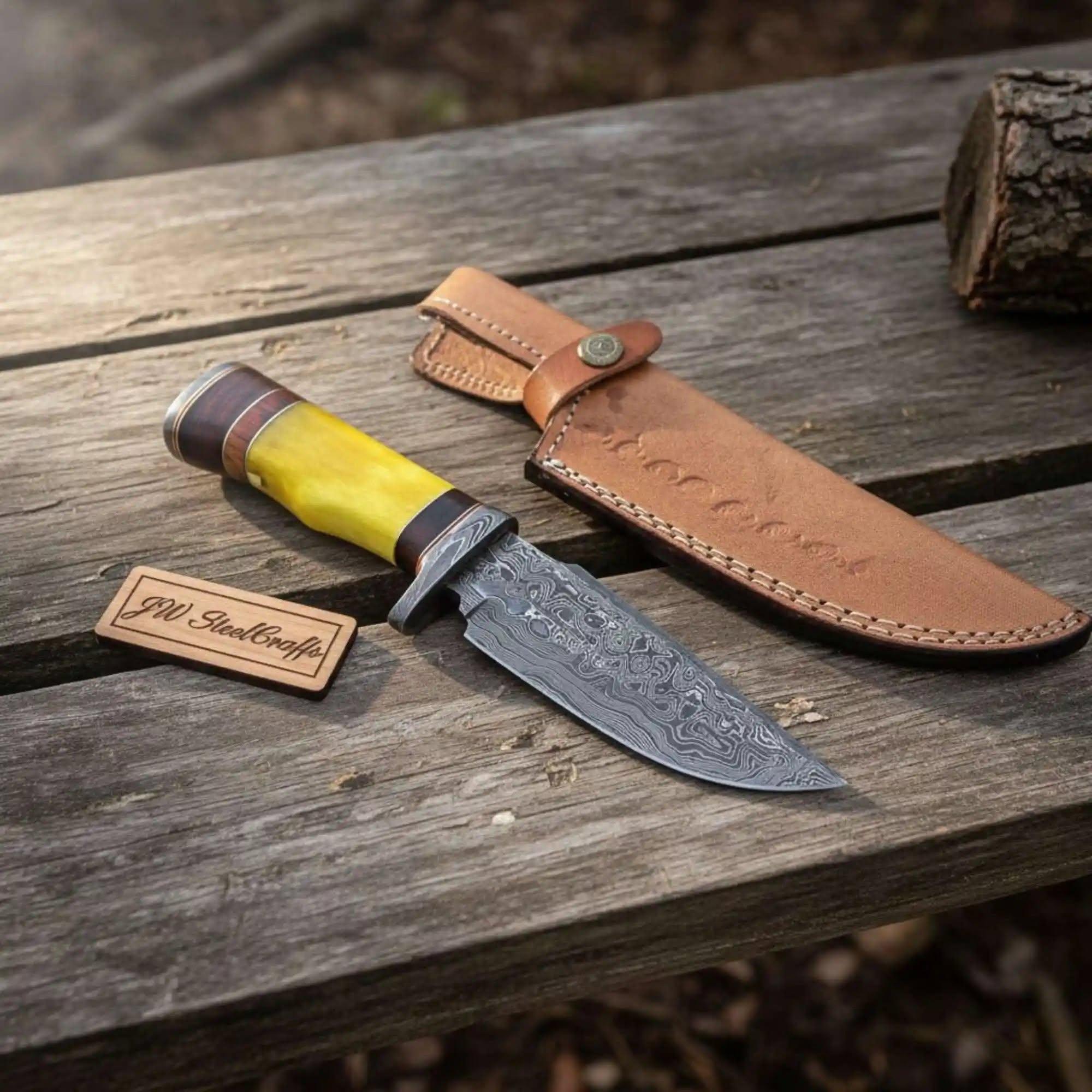
A bushcraft knife is one of the most important tools for camping, hiking, hunting, and survival. However, not all knives are built to the same standard. A high-quality bushcraft knife should be durable, comfortable, sharp, and capable of handling demanding outdoor tasks without failure.
Whether you're shopping for your first knife or upgrading your gear, knowing how to test the quality of a bushcraft knife can help you make a smart investment.
In this guide, you'll learn the key factors to evaluate, simple performance tests, and common warning signs of a poorly made knife.
Why Knife Quality Matters
A quality bushcraft knife offers:
-
Better safety
-
Longer lifespan
-
Improved cutting performance
-
Easier maintenance
-
Greater reliability in the wilderness
A poorly made knife may dull quickly, loosen over time, or even fail during critical outdoor tasks.
1. Check the Blade Steel
The blade steel determines how well the knife performs and how long it lasts.
Common High-Quality Steels
Carbon Steel
-
1095
-
1075
-
1084
-
O1
-
80CrV2
Stainless Steel
-
Sandvik 14C28N
-
Böhler N690
-
VG-10
-
CPM S35VN
-
CPM MagnaCut
Good steel provides an excellent balance of toughness, edge retention, and ease of sharpening.
2. Inspect the Tang Construction
One of the easiest ways to judge quality is by examining the tang.
Full Tang
A full tang extends through the entire handle.
Benefits include:
-
Superior strength
-
Better balance
-
Greater durability
For bushcraft, full tang construction is generally the best choice.
3. Examine the Blade Grind
The grind affects cutting performance.
Popular bushcraft grinds include:
-
Scandi Grind
-
Flat Grind
-
Convex Grind
A quality grind should appear:
-
Even on both sides
-
Symmetrical
-
Free from rough machining marks
Uneven grinds may reduce cutting efficiency.
4. Test Factory Sharpness
A quality bushcraft knife should arrive sharp.
Simple tests include:
-
Slicing printer paper
-
Shaving thin curls from dry wood
-
Cutting cardboard smoothly
-
Carving a feather stick
The blade should cut cleanly without tearing or requiring excessive force.
5. Check Edge Consistency
Closely inspect the cutting edge.
Look for:
-
Chips
-
Flat spots
-
Uneven bevels
-
Burrs
-
Light reflecting from dull sections
A consistent edge indicates careful manufacturing.
6. Inspect the Handle
Comfort is essential because bushcraft often involves extended knife use.
A quality handle should:
-
Fit comfortably in your hand
-
Provide a secure grip
-
Have no sharp edges or hot spots
-
Feel stable without movement
Common handle materials include:
-
Micarta
-
G10
-
Rubber
-
Stabilized wood
-
Hardwood
7. Look for Solid Fit and Finish
A well-made bushcraft knife shows attention to detail.
Check for:
-
Smooth handle transitions
-
Tight handle scales
-
Even pins or rivets
-
No visible gaps
-
Clean blade finish
Good craftsmanship often reflects better overall quality.
8. Test Blade Flex (When Appropriate)
Gently apply light pressure to evaluate stiffness.
A bushcraft knife should feel solid and return to its original position.
Do not bend the blade excessively, as improper testing can damage the knife.
9. Evaluate Balance
Hold the knife in a normal grip.
A well-balanced knife should feel:
-
Comfortable
-
Stable
-
Easy to control
-
Neither excessively blade-heavy nor handle-heavy
Proper balance improves carving accuracy and reduces hand fatigue.
10. Check the Spine
Many bushcraft knives feature a 90-degree spine.
A sharp spine is useful for:
-
Scraping a ferro rod
-
Processing tinder
-
Light scraping tasks
The spine should be straight and evenly finished.
11. Inspect the Sheath
A quality knife deserves a quality sheath.
The sheath should:
-
Hold the knife securely
-
Allow smooth drawing and reinsertion
-
Protect the blade
-
Prevent accidental release
Whether it's leather, Kydex, or nylon, the sheath should fit the knife properly without excessive looseness.
12. Test Wood Carving Performance
Wood carving is one of the best ways to judge a bushcraft knife.
Try carving:
-
Tent stakes
-
Feather sticks
-
Small notches
-
Wooden pegs
A quality knife should:
-
Cut smoothly
-
Maintain control
-
Produce clean shavings
-
Stay sharp during extended carving
13. Check Edge Retention
After completing several carving tasks:
-
Slice paper again.
-
Inspect the edge.
-
Feel for dull spots.
A good bushcraft knife should retain its sharpness through normal outdoor use.
14. Evaluate Ease of Sharpening
Eventually every knife becomes dull.
A quality bushcraft knife should:
-
Respond well to sharpening
-
Develop a consistent edge
-
Strop cleanly
Easy maintenance is especially valuable during multi-day camping trips.
Signs of a High-Quality Bushcraft Knife
Look for these positive indicators:
-
✅ Full tang construction
-
✅ Comfortable ergonomic handle
-
✅ Even blade grind
-
✅ Sharp factory edge
-
✅ Durable blade steel
-
✅ Secure sheath
-
✅ Excellent balance
-
✅ Strong fit and finish
Warning Signs of Poor Quality
Avoid knives with:
-
Loose handles
-
Uneven blade grinds
-
Soft steel that dulls quickly
-
Rough finishing
-
Weak sheath retention
-
Poor balance
-
Visible gaps between blade and handle
-
Excessive blade play or movement
These issues may affect both performance and safety.
Quality Testing Checklist
Before buying or using a bushcraft knife, check:
| Inspection Item | What to Look For |
|---|---|
| Blade Steel | Quality steel with good reputation |
| Tang | Full tang preferred |
| Sharpness | Clean paper cuts and smooth carving |
| Handle | Comfortable and secure grip |
| Grind | Even and symmetrical |
| Balance | Comfortable in hand |
| Spine | Crisp 90-degree edge if needed |
| Sheath | Secure retention and safe carry |
| Finish | No gaps, cracks, or loose parts |
| Edge Retention | Holds sharpness after carving |
Tips for Buying a Quality Bushcraft Knife
-
Buy from trusted manufacturers.
-
Read independent reviews before purchasing.
-
Choose a fixed blade over a folding knife for bushcraft.
-
Prioritize build quality over appearance.
-
Match the knife to your intended outdoor activities.
-
Invest in a sharpening stone and maintain the blade regularly.
Frequently Asked Questions
How can I tell if a bushcraft knife is high quality?
Look for full tang construction, premium blade steel, a comfortable handle, an even blade grind, a sharp factory edge, and solid craftsmanship.
Is full tang necessary?
For bushcraft and survival tasks, a full tang knife offers superior strength, durability, and reliability.
How sharp should a new bushcraft knife be?
A quality knife should easily slice paper, carve wood cleanly, and create feather sticks with minimal effort.
Should I test a knife before buying?
If possible, inspect the knife in person for balance, comfort, fit and finish, and sheath quality. Avoid destructive tests that could damage the knife.
Does a higher price always mean better quality?
Not necessarily. Many affordable bushcraft knives offer excellent performance. Focus on materials, construction, and reputation rather than price alone.
Final Thoughts
Knowing how to test the quality of a bushcraft knife helps you choose a tool that will perform reliably in the outdoors. By inspecting the blade steel, full tang construction, grind quality, sharpness, handle comfort, and overall craftsmanship, you can quickly identify a knife that's built to last.
A dependable bushcraft knife is more than just a piece of gear—it's an investment in your safety and outdoor experience. Choose a well-made knife, maintain it properly, and practice safe techniques, and it will serve you faithfully through years of camping, hiking, carving, and wilderness adventures.

 English
 French
 Spanish
 Portuguese
 Deutsch
 Turkish
 Dutch
Dutch
 Italiano
 Russian
 Romaian
 Portuguese (Brazil)
 Greek
Greek
