Efficient control of compressed air is essential for maintaining smooth and reliable industrial automation. Whether operating pneumatic cylinders, actuators, or other automation equipment, the performance of the entire pneumatic system depends on how accurately compressed air is directed. This is where a directional control valve plays a vital role.
A directional control valve determines the path of compressed air within a pneumatic circuit, allowing machines to perform precise movements with speed and consistency. From manufacturing plants and packaging facilities to automotive assembly lines and material handling systems, these valves are fundamental to modern automation. Selecting a high-quality directional control valve from a trusted manufacturer like Airmax Pneumatics helps improve system reliability, reduce downtime, and enhance overall operational efficiency.
What Is a Directional Control Valve?
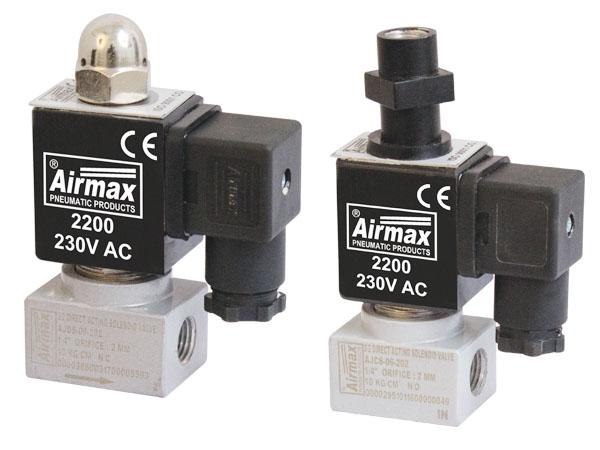
A directional control valve is a pneumatic component designed to regulate the direction of compressed air flow within an automation system. By controlling airflow, the valve determines the movement of pneumatic cylinders, rotary actuators, and other pneumatic devices.
Directional control valves are available in several configurations, including:
- 2/2-way valves
- 3/2-way valves
- 5/2-way valves
- 5/3-way valves
The appropriate configuration depends on the specific application and the type of actuator being controlled.
Why Valve Performance Matters
In automated production environments, even a small delay or inconsistency in valve operation can affect machine performance and production quality.
A high-performance directional control valve helps ensure:
- Accurate actuator movement
- Faster machine response
- Consistent production cycles
- Improved equipment reliability
- Reduced maintenance requirements
These advantages contribute directly to increased productivity.
Fast Response Time
One of the most important characteristics of a high-performance directional control valve is its ability to respond quickly.
Rapid valve switching allows pneumatic actuators to operate with minimal delay, improving machine efficiency and cycle times.
Fast response is especially valuable in:
- High-speed assembly lines
- Packaging equipment
- Pick-and-place systems
- Automated manufacturing cells
Quick and reliable valve operation helps maximize production output.
Accurate Airflow Control
Precision is essential in industrial automation.
A quality directional control valve provides accurate airflow distribution, ensuring that pneumatic cylinders and actuators move exactly as intended.
Precise airflow control helps:
- Improve positioning accuracy
- Maintain consistent product quality
- Reduce operating errors
- Enhance machine performance
Reliable airflow contributes to stable and repeatable automation processes.
Durable Construction
Industrial automation systems often operate continuously under demanding conditions.
A high-performance valve should feature durable materials capable of resisting:
- Mechanical wear
- Corrosion
- Moisture
- Dust
- Continuous cycling
Robust construction extends service life while reducing maintenance costs.
Reliable Sealing
Internal sealing quality significantly influences valve performance.
Effective seals help prevent:
- Air leakage
- Pressure loss
- Reduced actuator efficiency
- Unnecessary energy consumption
Reliable sealing ensures the pneumatic system maintains stable operating pressure throughout production.
High Flow Capacity
Flow capacity determines how efficiently compressed air moves through the valve.
A directional control valve with adequate flow capacity provides:
- Faster cylinder movement
- Improved actuator performance
- Better system efficiency
- Reduced pressure drop
Proper flow characteristics are essential for maintaining machine productivity.
Compatibility with Automation Systems
Modern manufacturing facilities increasingly rely on advanced automation technologies.
High-performance directional control valves can easily integrate with:
- PLC systems
- Industrial controllers
- Solenoid control circuits
- Automated production equipment
This compatibility supports centralized process control and flexible machine operation.
Compact Design
Space is often limited inside modern industrial machinery.
Compact valve designs allow engineers to install pneumatic components efficiently without increasing machine size.
Smaller valves also simplify maintenance while improving overall equipment layout.
Energy Efficiency
Compressed air is one of the most expensive utilities in manufacturing.
A well-designed directional control valve helps improve energy efficiency by:
- Minimizing internal leakage
- Optimizing airflow
- Reducing pressure loss
- Supporting efficient actuator operation
Lower air consumption contributes to reduced operating costs.
Ease of Maintenance
Maintenance efficiency is another important consideration.
High-performance directional control valves are designed for:
- Easy inspection
- Quick replacement
- Simple installation
- Accessible service points
Reduced maintenance time helps improve equipment availability while minimizing production interruptions.
Reliable Operation Under Continuous Duty
Many manufacturing facilities operate around the clock.
High-quality valves are designed to withstand:
- Frequent switching
- Continuous production
- Repetitive operating cycles
- Long service hours
Consistent operation under demanding conditions helps maintain production reliability.
Common Industrial Applications
A directional control valve is widely used in numerous industries, including:
- Automotive manufacturing
- Packaging machinery
- Food and beverage processing
- Pharmaceutical production
- Textile manufacturing
- Electronics assembly
- Material handling systems
- Printing equipment
- Plastic processing
- General industrial automation
Its versatility makes it one of the most important pneumatic control components.
Choosing the Right Directional Control Valve
Before selecting a valve, evaluate several technical factors, including:
- Valve configuration
- Operating pressure
- Flow capacity
- Response time
- Mounting style
- Electrical specifications
- Environmental conditions
- Duty cycle
Proper valve selection helps maximize system performance while extending equipment life.
Why Choose Airmax Pneumatics?
Airmax Pneumatics is a leading manufacturer and supplier of pneumatic automation solutions designed for industrial applications. The company offers a wide range of directional control valves, pneumatic cylinders, FRL units, solenoid valves, pneumatic fittings, and automation accessories engineered for reliable performance and long-term durability.
With a commitment to precision engineering, quality manufacturing, and customer-focused solutions, Airmax Pneumatics helps industries improve machine efficiency, reduce maintenance costs, and achieve dependable automation performance. Its pneumatic products are trusted by manufacturers across diverse industries where accuracy, reliability, and productivity are critical.
Best Practices for Long-Term Valve Performance
To maximize the service life of a directional control valve, industries should:
- Use clean, filtered compressed air.
- Maintain recommended operating pressure.
- Inspect valves regularly for leakage.
- Clean air preparation equipment.
- Check electrical connections on solenoid-operated valves.
- Replace worn seals promptly.
- Follow preventive maintenance schedules.
Routine maintenance helps maintain consistent performance while reducing unexpected downtime.
Conclusion
A high-performance directional control valve is a key component in modern pneumatic automation systems. Features such as fast response time, accurate airflow control, reliable sealing, durable construction, high flow capacity, and easy integration with automation systems help industries improve productivity, reduce maintenance costs, and achieve consistent machine performance.
By selecting quality pneumatic products from experienced manufacturers like Airmax Pneumatics, businesses can build more reliable automation systems that support efficient, safe, and continuous industrial operations. Investing in high-performance directional control valves is a practical step toward improving long-term manufacturing efficiency and operational reliability.




 English
 Arabic
 French
 Spanish
 Deutsch
 Turkish
 Dutch
Dutch
 Italiano
 Russian
 Romaian
 Portuguese (Brazil)
 Greek
Greek
