


Unplugged or Uninterrupted? Weighing Battery and Wired Security Cameras for UAE Homes
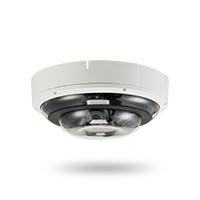
Homeowners across the UAE face an increasingly important decision when selecting a security camera system: should they choose a battery-powered unit for its simplicity, or invest in a wired system for its dependability? At first glance, this choice may appear to be a minor technical detail, yet it significantly influences video quality, maintenance requirements, and overall system reliability over time. Furthermore, the UAE's unique climate, characterised by extreme summer heat and occasional sandstorms, adds another layer of complexity to this decision, since not every camera type performs equally well under such conditions. This article examines both battery-powered and wired security cameras in detail, helping homeowners understand which option best suits their specific property and lifestyle.
Two Approaches, One Objective: Understanding How Each System Works
Battery-powered security cameras operate independently of any fixed electrical connection, relying instead on rechargeable batteries that must be periodically removed, charged, and reinstalled. This design offers considerable installation flexibility, since homeowners can mount these cameras almost anywhere without concern for nearby power outlets or cable routing. As a result, battery-powered units have become particularly popular for rental properties, temporary setups, or homeowners who prefer a straightforward, do-it-yourself installation process that does not require professional electricians or extensive drilling.
Wired security cameras, by contrast, draw continuous power through a physical cable connected either directly to an electrical outlet or, in more advanced configurations, through a Power over Ethernet connection that also transmits data. Because these cameras never rely on stored battery capacity, they can record continuously without interruption, a feature that proves especially valuable for properties requiring twenty-four-hour surveillance. Many homeowners installing a comprehensive dahua cctv system throughout their villa choose wired configurations specifically because uninterrupted recording eliminates the gaps in coverage that battery depletion can otherwise create.
The UAE Climate Factor: Heat, Sand, and Battery Performance
Extreme temperatures represent one of the most significant challenges facing battery-powered cameras in the UAE, since lithium-ion batteries, the type most commonly used in these devices, experience accelerated degradation when exposed to prolonged heat. During peak summer months, when outdoor temperatures regularly exceed forty-five degrees Celsius, battery life can diminish considerably faster than manufacturer specifications suggest, requiring more frequent charging cycles than homeowners might initially anticipate. Consequently, a camera that promises several months of battery life in temperate climates may only deliver a fraction of that duration when mounted on an exposed exterior wall in Dubai or Abu Dhabi.
Wired cameras largely avoid this issue, since they draw power continuously rather than depleting a finite battery reserve, though they are not entirely immune to environmental stress. Extended cable runs exposed to direct sunlight can experience insulation degradation over time, and this is precisely why many installers recommend protected conduit routing when setting up dahua security cameras in outdoor UAE installations. Sandstorms present an additional consideration for both camera types, as accumulated dust can interfere with lens clarity and, in poorly sealed battery compartments, may even affect charging contacts. For this reason, homeowners in sand-prone areas should prioritise cameras with robust weatherproof ratings regardless of which power configuration they ultimately select.
Maintenance, Reliability, and the Real Cost of Convenience
While battery-powered cameras undeniably simplify installation, this convenience often shifts additional responsibility onto the homeowner in the form of ongoing maintenance. Regularly removing and recharging batteries, particularly across multiple cameras installed throughout a property, can become a time-consuming task that some homeowners underestimate when first purchasing their system. Moreover, if a battery depletes unexpectedly during a homeowner's absence, whether due to travel or simple oversight, the resulting gap in coverage could occur precisely when surveillance matters most, such as during an attempted break-in.
Wired systems, although requiring more involved initial installation, generally demand far less ongoing attention once properly configured. Since these cameras draw power continuously from a stable source, homeowners avoid the recurring cycle of battery management altogether, allowing the system to operate reliably for years with minimal intervention beyond routine firmware updates and lens cleaning. A properly installed dahua cctv network, for instance, can run continuously for extended periods without any manual power management, providing the kind of dependable, hands-off operation that many homeowners ultimately find more valuable than the initial convenience of a wireless, battery-driven setup. When evaluating long-term cost, therefore, homeowners should weigh not only the purchase price but also the time and effort required to maintain consistent coverage.
Video Quality, Storage, and Continuous Recording Capabilities
Beyond power reliability, video quality and recording capability often differ meaningfully between battery-powered and wired camera systems. Many battery-operated cameras rely on motion-activated recording to conserve power, meaning they capture footage only when triggered by movement rather than recording continuously. While this approach extends battery life, it can also result in missed footage if an intruder moves quickly through the camera's field of view or if the motion sensor's detection range fails to cover the entire monitored area adequately.
Wired cameras, since they are not constrained by battery conservation concerns, typically support continuous twenty-four-hour recording at higher resolutions without sacrificing performance. This capability proves particularly important for homeowners who require a complete, unbroken record of activity around their property rather than isolated clips triggered by motion detection alone. Additionally, wired systems paired with dedicated network video recorders often support higher storage capacities and more sophisticated analytics, such as facial recognition or vehicle detection, features that battery powered cameras may struggle to support given their more limited processing power. Homeowners prioritising comprehensive, high-resolution surveillance therefore tend to find that dahua security cameras configured through a wired network deliver noticeably superior footage quality compared to their battery-powered counterparts.
Making an Informed Decision for Your Property
Ultimately, the choice between battery-powered and wired security cameras depends heavily on the specific needs, budget, and layout of each property. Homeowners seeking a quick, flexible installation for a small apartment or rental unit may find battery-powered cameras perfectly adequate, particularly if occasional gaps in coverage or reduced battery life during summer months are acceptable trade-offs for convenience. Conversely, homeowners with larger villas, multiple entry points, or heightened security concerns will likely benefit more from the consistent, uninterrupted performance that wired systems provide.
Before making a final decision, homeowners should also consider consulting with a professional installer who can assess their property's specific layout and recommend an appropriate configuration. Reputable brands such as Dahua offer both battery-powered and wired product lines, allowing homeowners to select equipment suited precisely to their circumstances without compromising on build quality or long-term support. Whether prioritising the flexibility of a wireless setup or the dependable, continuous coverage of a wired system, understanding these trade-offs equips UAE homeowners to make a confident, well informed investment in their property's security.
Choosing between battery powered and wired security cameras is not simply a matter of convenience versus complexity, but rather a decision that carries real implications for reliability, video quality, and long-term maintenance. The UAE's demanding climate further reinforces the importance of selecting equipment suited to local conditions, whether that means prioritising heat-resistant wiring or accepting more frequent battery maintenance. By carefully weighing these factors against their property's specific requirements, homeowners can select a system that delivers lasting security and genuine peace of mind.

 English
 Arabic
 French
 Spanish
 Portuguese
 Deutsch
 Dutch
Dutch
 Italiano
 Russian
 Romaian
 Portuguese (Brazil)
 Greek
Greek
