


What is the Process for Saber Certification in Saudi Arabia
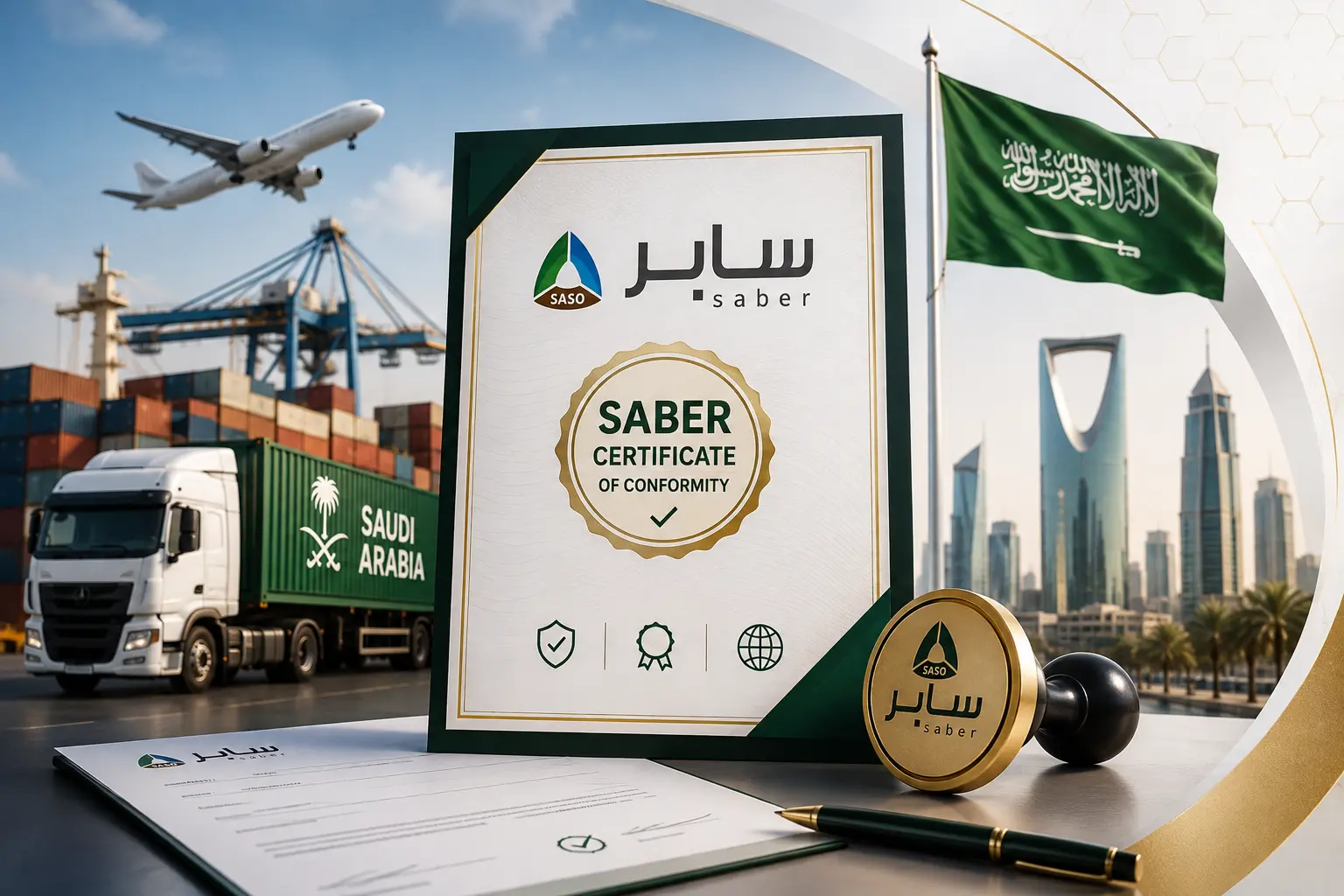
If you're planning to export products to the Kingdom, understanding the saber certificate saudi arabia process is essential for ensuring smooth market entry and customs clearance. Saudi Arabia has implemented the Saber platform to simplify product registration, conformity assessment, and compliance with national safety standards. Whether you are an importer, manufacturer, or distributor, obtaining the required certificates helps your products meet Saudi import regulations and prevents costly shipment delays. This guide explains every stage of the Saber certification process, the documents required, the types of certificates issued, and best practices for successful compliance.
What is the Saber Certificate?
The Saber Certificate is part of Saudi Arabia's electronic conformity assessment system developed by the Saudi Standards, Metrology and Quality Organization (SASO). The online Saber platform enables Saudi importers to register products, verify compliance with technical regulations, and obtain the necessary certificates before goods are imported into the Kingdom.
The system was introduced to improve product safety, enhance consumer protection, and create a faster, more transparent import process.
Today, thousands of imported products require Saber certification before they can enter the Saudi market.
Why is Saber Certification Important?
Saber certification is much more than a regulatory requirement. It provides assurance that products comply with Saudi technical regulations and quality standards.
Some of the major benefits include:
-
Faster customs clearance
-
Compliance with Saudi import regulations
-
Reduced shipment delays
-
Improved product safety
-
Increased customer confidence
-
Easier access to the Saudi market
-
Streamlined digital certification
Without the required certificates, shipments may be delayed, rejected, or prevented from entering Saudi Arabia.
Who Needs a Saber Certificate?
Saber certification is generally required for:
-
Saudi importers
-
Foreign manufacturers exporting to Saudi Arabia
-
Trading companies
-
Local manufacturers
-
Distributors
-
E-commerce businesses importing regulated products
Although overseas manufacturers provide technical documents and test reports, the Saudi importer is responsible for registering products on the Saber platform.
Types of Saber Certificates
The Saber system issues two primary certificates.
1. Product Certificate of Conformity (PCoC)
The Product Certificate of Conformity confirms that a product complies with applicable Saudi technical regulations.
It is generally valid for one year and is required before importing regulated products.
2. Shipment Certificate of Conformity (SCoC)
Every shipment entering Saudi Arabia requires its own Shipment Certificate of Conformity.
This certificate confirms that the shipment matches the approved product registration and meets import requirements.
Products That Require Saber Certification
Many product categories require registration through the Saber platform, including:
-
Electrical appliances
-
Electronics
-
Automotive parts
-
Building materials
-
Cosmetics
-
Children's toys
-
Chemicals
-
Machinery
-
Lighting products
-
Personal protective equipment (PPE)
-
Kitchen appliances
-
Textile products
Some goods are classified as regulated products, while others are considered non-regulated. The certification requirements vary depending on the applicable technical regulation.
Documents Required for Saber Certification
Before starting the registration process, businesses should prepare the following documents:
-
Commercial Registration (CR)
-
Product specifications
-
Manufacturer information
-
Product images
-
Technical data sheets
-
Laboratory test reports
-
Declaration of Conformity
-
Product labels
-
User manuals
-
HS Code
-
Commercial Invoice
-
Packing List (for shipment certification)
Having complete and accurate documentation significantly speeds up the approval process.
Step-by-Step Process for Saber Certification
Step 1: Create an Account on the Saber Platform
The process begins with the Saudi importer creating an account on the Saber platform using their Commercial Registration details.
Once the account is active, products can be registered for conformity assessment.
Step 2: Determine Product Classification
The importer identifies whether the product is:
-
Regulated
-
Non-regulated
Regulated products require evaluation by an approved Conformity Assessment Body (CAB), while non-regulated products follow a simplified process.
Correct product classification is critical because it determines the certification requirements.
Step 3: Register the Product
Next, the importer enters detailed product information, including:
-
Product name
-
Brand
-
Model number
-
Country of origin
-
Manufacturer details
-
Product description
-
HS Code
-
Product specifications
Accuracy at this stage helps avoid delays during document review.
Step 4: Upload Technical Documents
The importer uploads all supporting technical documents.
Depending on the product category, these may include:
-
Test reports
-
Technical specifications
-
Product catalogues
-
User manuals
-
Product labels
-
Quality certificates
-
Declaration of Conformity
Products covered by Saudi technical regulations may require additional documentation.
Step 5: Select an Approved Conformity Assessment Body
For regulated products, the importer chooses an approved Conformity Assessment Body through the Saber platform.
The CAB reviews all submitted documents and verifies compliance with Saudi standards.
If required, additional laboratory testing or documentation may be requested.
Step 6: Product Evaluation
During the evaluation process, the certification body reviews:
-
Product safety
-
Technical compliance
-
Performance standards
-
Labeling requirements
-
Applicable regulations
-
Supporting documentation
If everything meets the required standards, the product proceeds to certification.
Step 7: Obtain the Product Certificate of Conformity
Once the evaluation is successfully completed, the Product Certificate of Conformity (PCoC) is issued electronically through the Saber platform.
This certificate confirms that the registered product complies with Saudi regulations.
Step 8: Apply for the Shipment Certificate
Before each shipment is exported to Saudi Arabia, the importer submits:
-
Commercial Invoice
-
Packing List
-
Shipping details
The Shipment Certificate of Conformity (SCoC) is then issued for that specific shipment.
Each shipment requires a separate certificate, even if the product already has a valid PCoC.
Step 9: Saudi Customs Clearance
When the shipment arrives in Saudi Arabia, customs authorities verify the Shipment Certificate along with all import documentation.
If the shipment complies with Saudi regulations, customs approves its release.
How Long Does Saber Certification Take?
Processing time depends on the product category and document completeness.
Typical timelines include:
-
Product registration: Same day
-
Technical review: 1–5 working days
-
Product Certificate issuance: 2–7 working days
-
Shipment Certificate: Usually within 24 hours
Products requiring additional testing may take longer.
Common Challenges During Saber Certification
Importers often experience delays because of common mistakes.
Incorrect HS Codes
Using the wrong tariff classification can delay approval.
Missing Technical Documents
Incomplete documentation often results in requests for additional information.
Expired Test Reports
Certification bodies generally require current laboratory reports.
Product Information Errors
Incorrect model numbers, manufacturer details, or specifications can lead to rejection.
Late Shipment Certificate Requests
Waiting until cargo arrives in Saudi Arabia can delay customs clearance.
Tips for Faster Saber Approval
Businesses can simplify the process by following these best practices:
-
Register products before shipment.
-
Verify product classification carefully.
-
Keep laboratory reports up to date.
-
Use accredited Conformity Assessment Bodies.
-
Ensure product labels comply with Saudi requirements.
-
Double-check all product information.
-
Submit Shipment Certificate applications before cargo arrival.
These practices reduce approval time and minimize compliance issues.
Benefits of Working with a Professional Customs Clearance Company
Many importers choose experienced customs clearance providers to manage Saber certification and regulatory compliance.
Professional consultants can assist with:
-
Product registration
-
Document preparation
-
HS Code verification
-
Product conformity assessment
-
Shipment Certificate applications
-
Customs documentation
-
Import compliance
-
Cargo clearance
Their expertise helps businesses avoid costly delays and ensures smoother import operations.
Frequently Asked Questions
Is Saber certification mandatory?
Yes. Many regulated products must obtain Saber certification before they can be imported and sold in Saudi Arabia.
Who applies for the Saber Certificate?
The Saudi importer is responsible for submitting the application through the Saber platform, while manufacturers usually provide the technical documents.
Does every shipment require certification?
Yes. Every shipment requires its own Shipment Certificate of Conformity, even when the Product Certificate remains valid.
Can foreign manufacturers register directly?
No. Product registration is generally completed by a Saudi importer holding a valid Commercial Registration.
What happens if products arrive without Saber certification?
Shipments may be delayed, rejected, held by customs, or returned to the country of origin until compliance requirements are fulfilled.
Conclusion
Obtaining a saber certificate saudi arabia is a crucial step for businesses that want to import products into the Kingdom legally and efficiently. From product registration and conformity assessment to obtaining the Product Certificate of Conformity and Shipment Certificate of Conformity, every stage of the process is designed to ensure that imported goods meet Saudi safety and quality standards. By preparing accurate documentation, working with approved certification bodies, and completing all regulatory requirements before shipment, businesses can enjoy faster customs clearance, reduce delays, and gain seamless access to one of the Middle East's largest and most dynamic markets.

 English
 Arabic
 French
 Spanish
 Portuguese
 Deutsch
 Turkish
 Dutch
Dutch
 Italiano
 Russian
 Portuguese (Brazil)
 Greek
Greek
