


Who Is a Good Candidate for Fractional CO2 Laser Scar Treatment?
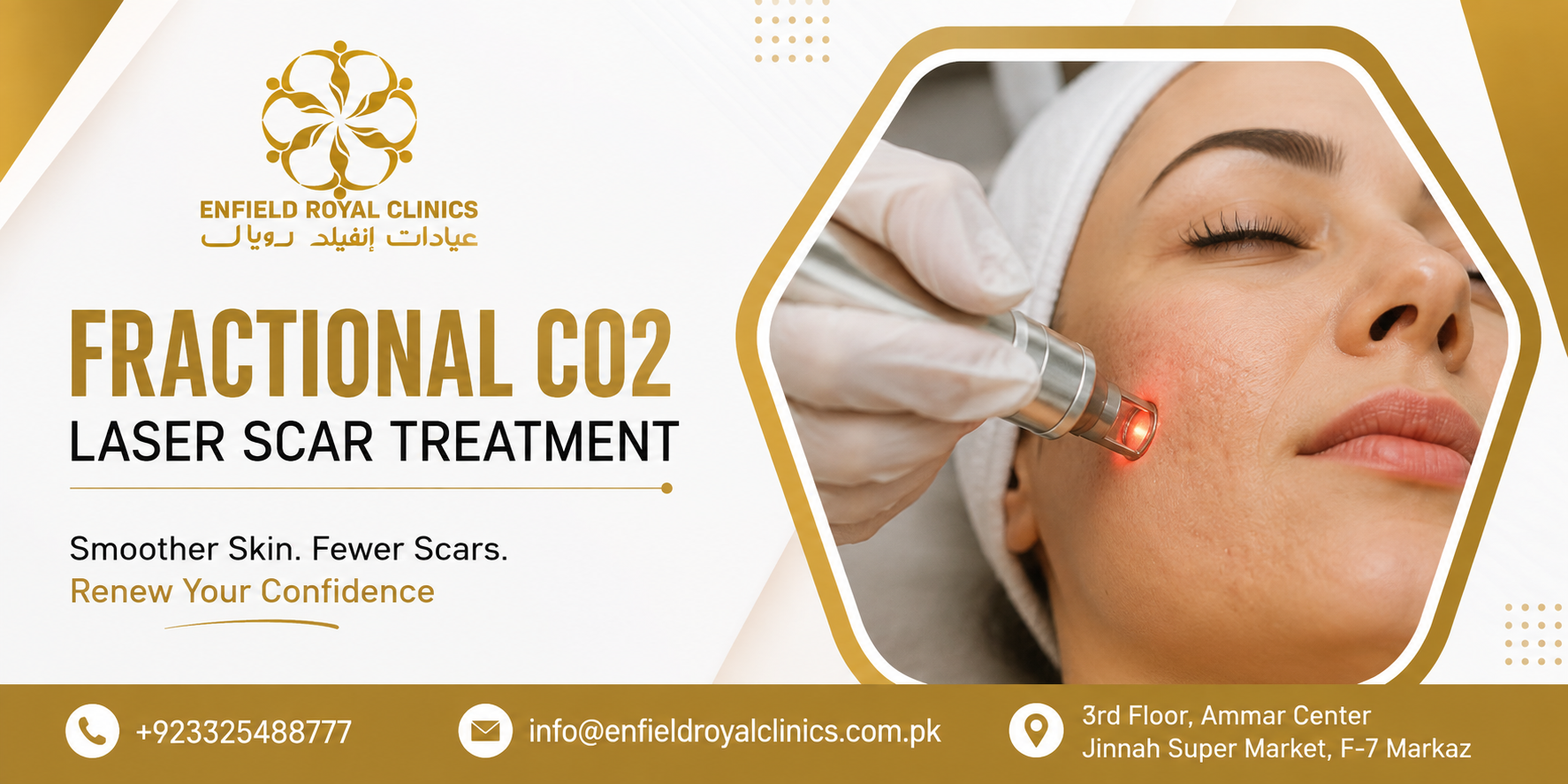
Scars can develop from acne, surgery, burns, injuries, or other skin conditions, often leaving lasting marks that affect the skin's texture and appearance. While many treatments claim to reduce scars, laser technology has become one of the most reliable options for achieving noticeable improvements. Among these advanced procedures, Fractional CO2 Laser Scar Treatment is widely recognized for its ability to stimulate collagen production and promote smoother, healthier-looking skin.
However, not everyone is an ideal candidate for this treatment. Factors such as skin type, overall health, scar characteristics, and personal expectations all influence whether the procedure is appropriate. Understanding who benefits most from this treatment can help you make an informed decision before scheduling a consultation.
Understanding How the Treatment Works
Fractional CO2 laser technology delivers controlled beams of laser energy into the skin, creating thousands of microscopic treatment zones. These tiny channels trigger the body's natural healing process while leaving surrounding tissue intact.
As the skin repairs itself, new collagen and elastin are produced beneath the surface. This gradual rebuilding process improves skin texture, softens scar tissue, and helps scars blend more naturally with the surrounding skin.
Because the treatment targets only small portions of the skin at one time, healing is generally faster than with traditional laser resurfacing methods.
Ideal Candidates for the Procedure
Many adults with visible scars and healthy skin can benefit from Fractional CO2 Laser Scar Treatment. The treatment is most successful for individuals who have realistic expectations and understand that improvements develop gradually rather than overnight.
Good candidates often include people who:
- Have acne scars that affect skin texture
- Have surgical scars that have fully healed
- Have injury-related scars
- Want smoother, more even-looking skin
- Are in good general health
- Can follow recovery instructions carefully
A professional skin evaluation helps determine whether laser resurfacing is the most suitable option for a particular scar type.
People With Acne Scars
One of the most common reasons patients seek laser scar treatment is to improve acne scars.
Depressed acne scars, also known as atrophic scars, often respond well because the treatment stimulates collagen production beneath the skin. As collagen rebuilds, shallow depressions gradually become less noticeable.
People whose acne is no longer active usually achieve better outcomes than those who continue to experience frequent breakouts.
Individuals With Surgical Scars
Surgical scars can sometimes remain raised, uneven, or discolored even after healing is complete.
Laser resurfacing may help soften the appearance of these scars by encouraging healthy skin regeneration and improving skin texture.
Most providers recommend waiting until the surgical scar has matured before beginning treatment. This allows the skin to heal properly before additional procedures are performed.
Candidates With Injury or Burn Scars
Scars resulting from accidents or burns may also benefit from laser resurfacing.
Depending on the scar's depth and location, treatment can help improve texture, reduce unevenness, and make the scar less noticeable.
Older scars often respond well, although deeper scars may require multiple treatment sessions to achieve the desired level of improvement.
Skin Types That May Benefit
People with a variety of skin tones can undergo laser resurfacing, but treatment settings should always be customized according to individual skin characteristics.
Individuals with lighter skin tones often have a lower risk of temporary pigmentation changes. However, many people with darker skin can also be treated successfully when an experienced practitioner carefully adjusts the laser settings.
A detailed skin assessment is essential before beginning treatment.
The Importance of Good Overall Health
General health plays an important role in the healing process.
Ideal candidates are typically individuals who:
- Do not have active skin infections
- Have healthy immune function
- Are not experiencing uncontrolled medical conditions
- Do not have open wounds in the treatment area
Healthy skin usually responds more effectively to collagen stimulation and heals more predictably after laser treatment.
Realistic Expectations Matter
Although Fractional CO2 Laser Scar Treatment can produce significant improvements, it is important to understand its limitations.
Laser resurfacing does not completely erase scars. Instead, it works by making scars less visible and improving overall skin texture.
Patients with realistic expectations are generally more satisfied because they understand that improvement occurs gradually over several weeks and months as collagen remodeling continues.
Who May Need to Delay Treatment?
Certain situations may require postponing laser resurfacing until the skin is healthier.
Treatment may be delayed for individuals who have:
- Active acne breakouts
- Skin infections
- Recent sunburn
- Open cuts or wounds
- Severe inflammatory skin conditions
- Recent use of certain medications that affect healing
Waiting until these issues have resolved helps reduce the likelihood of complications and supports better treatment results.
Factors a Specialist Will Evaluate
Before recommending treatment, a skincare professional will assess several important factors.
These often include:
Scar Type
Different scars respond differently to laser therapy. Acne scars, surgical scars, and traumatic scars each require an individualized treatment plan.
Scar Age
Older, fully healed scars are generally more suitable for treatment than newly formed scars.
Skin Condition
Healthy skin without active irritation typically heals faster and experiences fewer complications.
Medical History
A review of medical history helps identify conditions or medications that could affect healing or increase treatment risks.
Personal Goals
Understanding the patient's expectations allows the provider to recommend realistic treatment outcomes and the appropriate number of sessions.
Preparing for Treatment
Preparation can help improve both safety and results.
Patients are often advised to:
- Avoid excessive sun exposure before treatment.
- Wear sunscreen regularly.
- Inform their provider about all medications.
- Follow any pre-treatment skincare instructions.
- Stop using products that may irritate the skin if recommended.
Careful preparation helps create the best possible environment for healthy healing.
Recovery Considerations
Candidates should also be prepared for a recovery period after treatment.
Common temporary effects include:
- Redness
- Mild swelling
- Skin peeling
- Dryness
- Increased sensitivity
Most visible healing occurs within one to two weeks, while collagen production continues beneath the skin for several months.
Following aftercare instructions is essential for reducing complications and supporting optimal results.
Conclusion
Fractional CO2 Laser Scar Treatment is an excellent option for many people seeking to improve the appearance of acne scars, surgical scars, burn scars, and other forms of skin damage. The best candidates are healthy individuals with fully healed scars, realistic expectations, and a commitment to following proper aftercare guidelines.
Because every person's skin and scars are unique, a professional consultation is the most important step in determining whether this advanced laser treatment is right for you. With an individualized treatment plan and expert care, many patients experience smoother skin, improved texture, and a noticeable reduction in the appearance of scars over time.
For more information visit Enfield royal clinic in islamabad

 English
 Arabic
 French
 Spanish
 Portuguese
 Deutsch
 Turkish
 Dutch
Dutch
 Italiano
 Russian
 Romaian
 Portuguese (Brazil)
