


Your Roof Won't Last Forever—Here's How to Tell When It's Time for a Replacement
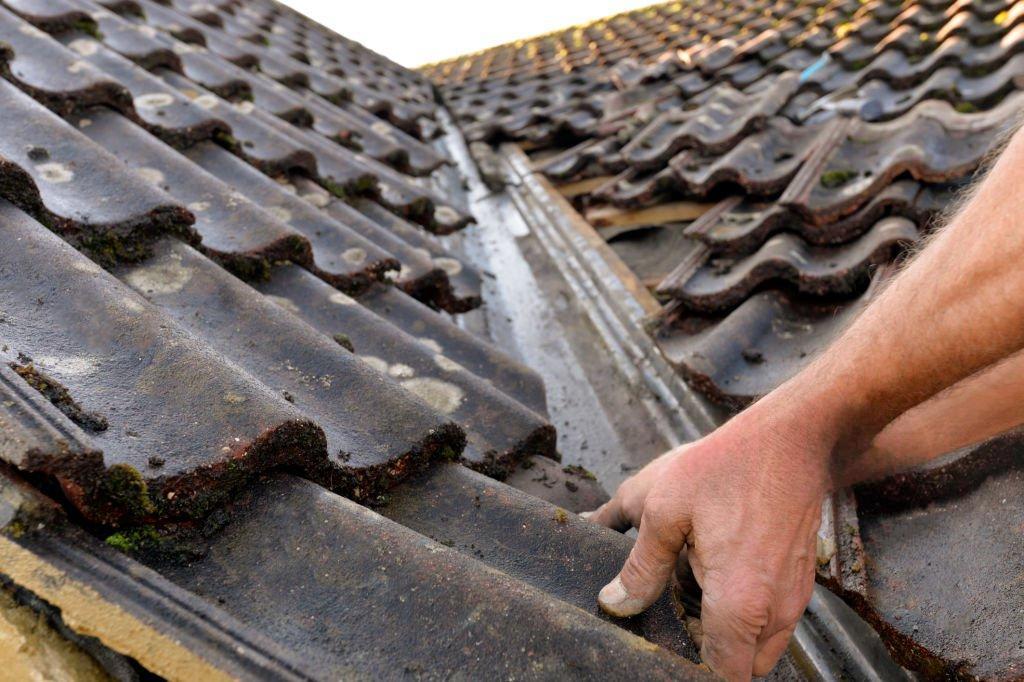
A well-built roof is designed to withstand decades of changing weather, but no roofing system lasts forever. While many roofing problems can be resolved with timely repairs, there comes a point when replacing the entire roof becomes the smarter and more cost-effective solution.
Many homeowners continue repairing the same recurring issues year after year, believing they're saving money. In reality, repeated repairs on an ageing roof often cost far more than investing in a complete replacement.
Across Surrey, Sussex and South West London, roofing systems face constant exposure to heavy rainfall, seasonal storms, frost, and strong winds. These conditions gradually weaken roofing materials, leading to leaks, structural deterioration and higher energy bills.
If you're unsure whether your roof needs another repair or a complete replacement, this guide explains the seven most common warning signs that indicate it's time to consider re-roofing.
Why Roof Repairs Aren't Always the Best Long-Term Solution
Roof repairs are ideal when damage is isolated and the overall structure remains in good condition. Replacing a few broken tiles or repairing flashing can often extend the life of a roof for several years.
However, repairs become less effective when:
- Damage is widespread.
- Leaks continue to return.
- Roofing materials have reached the end of their lifespan.
- Structural components begin to deteriorate.
Instead of continually patching problems, a professionally installed new roof provides long-term protection, improved performance and greater peace of mind.
1. Your Roof Is More Than 20–30 Years Old
Age Matters More Than Appearance
Many homeowners judge their roof based on how it looks from the ground. Unfortunately, roofing materials often deteriorate beneath the surface long before visible signs appear.
Typical lifespans include:
Concrete Tile Roofs
Approximately 40–50 years with proper maintenance.
Slate Roofs
Often exceed 75 years when correctly installed.
Felt Flat Roofs
Usually 15–20 years.
EPDM & GRP Flat Roofs
Often 25–40 years.
If your roof is approaching the end of its expected lifespan, replacing it before major failures occur can prevent emergency repairs and costly internal damage.
2. Roof Leaks Keep Coming Back
One repaired leak isn't usually a concern.
Several recurring leaks are.
Repeated water ingress often indicates that the roofing system itself has begun to fail rather than a single isolated component.
Common recurring leak areas include:
- Chimneys
- Valleys
- Flashing
- Ridge tiles
- Roof vents
- Flat roof joints
Repeated repairs in different areas generally suggest that a full roof replacement may now offer better value.
3. Large Sections of Tiles Are Damaged
Replacing one or two tiles is routine maintenance.
Replacing dozens every year isn't.
Storms, frost damage and years of weather exposure gradually weaken roofing materials.
Signs include:
- Cracked tiles
- Slipped tiles
- Missing ridge tiles
- Loose verge tiles
- Discoloured roofing
When damage becomes widespread, repairing isolated sections rarely addresses the underlying issue.
4. Your Roof Structure Is Beginning to Sag
A sagging roofline should never be ignored.
This may indicate:
Water-damaged roof timbers
Long-term moisture weakens structural supports.
Failing rafters
Older timber can begin to deform under prolonged stress.
Roof deck deterioration
Rotting roof boards reduce structural integrity.
Unlike cosmetic damage, structural movement requires immediate professional assessment.
5. Energy Bills Continue Rising
Many homeowners don't associate roofing with energy efficiency.
However, damaged roofing systems allow warm air to escape during winter while permitting heat to enter during summer.
An ageing roof often leads to:
- Higher heating costs
- Increased condensation
- Poor loft insulation performance
- Draughts
Replacing an older roof with modern breathable membranes and improved insulation can significantly improve thermal efficiency.
6. Moss Growth Is Becoming Excessive
Small amounts of moss are common.
Heavy moss growth is different.
Large moss deposits trap moisture against roofing materials, increasing the likelihood of:
- Frost damage
- Tile deterioration
- Blocked gutters
- Water ingress
If moss quickly returns after cleaning, the roof covering may already be deteriorating.
7. You're Planning Home Improvements
Many homeowners replace conservatories, extensions or loft conversions while leaving an ageing roof untouched.
This often creates problems later.
Installing a new roof before major renovations offers several benefits:
- Better weather protection
- Consistent appearance
- Improved insulation
- Increased property value
If you're already investing in your home, replacing an ageing roof at the same time is often more cost-effective.
Repair vs Re-Roofing: Which Option Saves More Money?
One of the biggest questions homeowners ask is whether repairing or replacing their roof is the better investment.
Repairs are usually the right choice when:
- Damage is limited to one area.
- The roof is relatively modern.
- The underlying structure is sound.
- Leaks are isolated.
Re-roofing becomes the better option when:
- Repairs are becoming frequent.
- Multiple areas are failing.
- The roof has reached the end of its lifespan.
- Structural deterioration is present.
Although a replacement requires a larger initial investment, it often reduces ongoing maintenance costs for decades.
Why Local Weather Matters
Properties across Surrey, Sussex and South West London experience a variety of weather conditions that place continuous stress on roofing systems.
These include:
Heavy Rainfall
Persistent moisture weakens mortar joints and flashing.
Strong Winds
High winds loosen ridge tiles and lift roofing materials.
Frost
Repeated freezing expands small cracks into larger structural issues.
Summer Heat
UV exposure gradually degrades older roofing membranes.
Understanding these regional conditions helps ensure the correct roofing materials are selected during a replacement.
Benefits of a Professionally Installed New Roof
Replacing your roof offers more than simply eliminating leaks.
A professionally installed roofing system can provide:
- Improved weather resistance
- Better thermal performance
- Lower maintenance costs
- Increased property value
- Enhanced kerb appeal
- Longer service life
- Greater buyer confidence if selling
Modern roofing systems also comply with current building standards, offering improved durability compared with older installations.
Choosing the Right Roofing Contractor
Before committing to a roof replacement, consider these essential factors.
Experience
Choose contractors with extensive experience installing complete roofing systems.
Insurance
Ensure public liability insurance is in place.
Detailed Quotations
Request written quotations outlining materials, labour and project timescales.
Reviews
Read genuine customer feedback from homeowners in your local area.
Guarantees
Ask what workmanship and material guarantees are available.
Local Reputation
Companies working regularly throughout Surrey, Sussex and South West London understand regional property styles and weather conditions.
For homeowners considering <a href="https://lfroofingdrivewaysltd.co.uk/roofing-services/re-roofing/">Re-Roofing in Surrey</a>, working with an experienced local contractor helps ensure your investment delivers long-term value and reliable protection.
Frequently Asked Questions
How long does a new roof last?
Depending on the material used, a professionally installed roof can last anywhere from 25 to over 75 years with regular maintenance.
Is replacing a roof better than repeated repairs?
If your roof has widespread damage, recurring leaks or has reached the end of its lifespan, replacement is often more economical over the long term.
How long does re-roofing take?
Most residential roof replacement projects are completed within several days, depending on the property's size, roof design and weather conditions.
Will a new roof increase property value?
Yes. A new roof improves kerb appeal, reassures buyers and reduces future maintenance concerns, making it a valuable investment for many homeowners.
Conclusion
Every roof reaches a stage where repairs are no longer the most practical solution. Persistent leaks, ageing materials, structural movement and rising maintenance costs are all strong indicators that a replacement may provide better long-term value.
By recognising these warning signs early, homeowners can plan ahead, protect their property and avoid the disruption of emergency roofing work.
For those looking for trusted <a href="https://lfroofingdrivewaysltd.co.uk/roofing-services/re-roofing/">Re-Roofing in Surrey</a>, LF Roofing & Driveways Ltd provides professional roof replacement services for homes and businesses across Surrey, Sussex and South West London, delivering durable roofing systems built to withstand the demands of the British climate.

 English
 Arabic
 French
 Spanish
 Portuguese
 Deutsch
 Turkish
 Dutch
Dutch
 Italiano
 Romaian
 Portuguese (Brazil)
 Greek
Greek
