


Why Structural Repair Contractors Are Essential for Building Safety
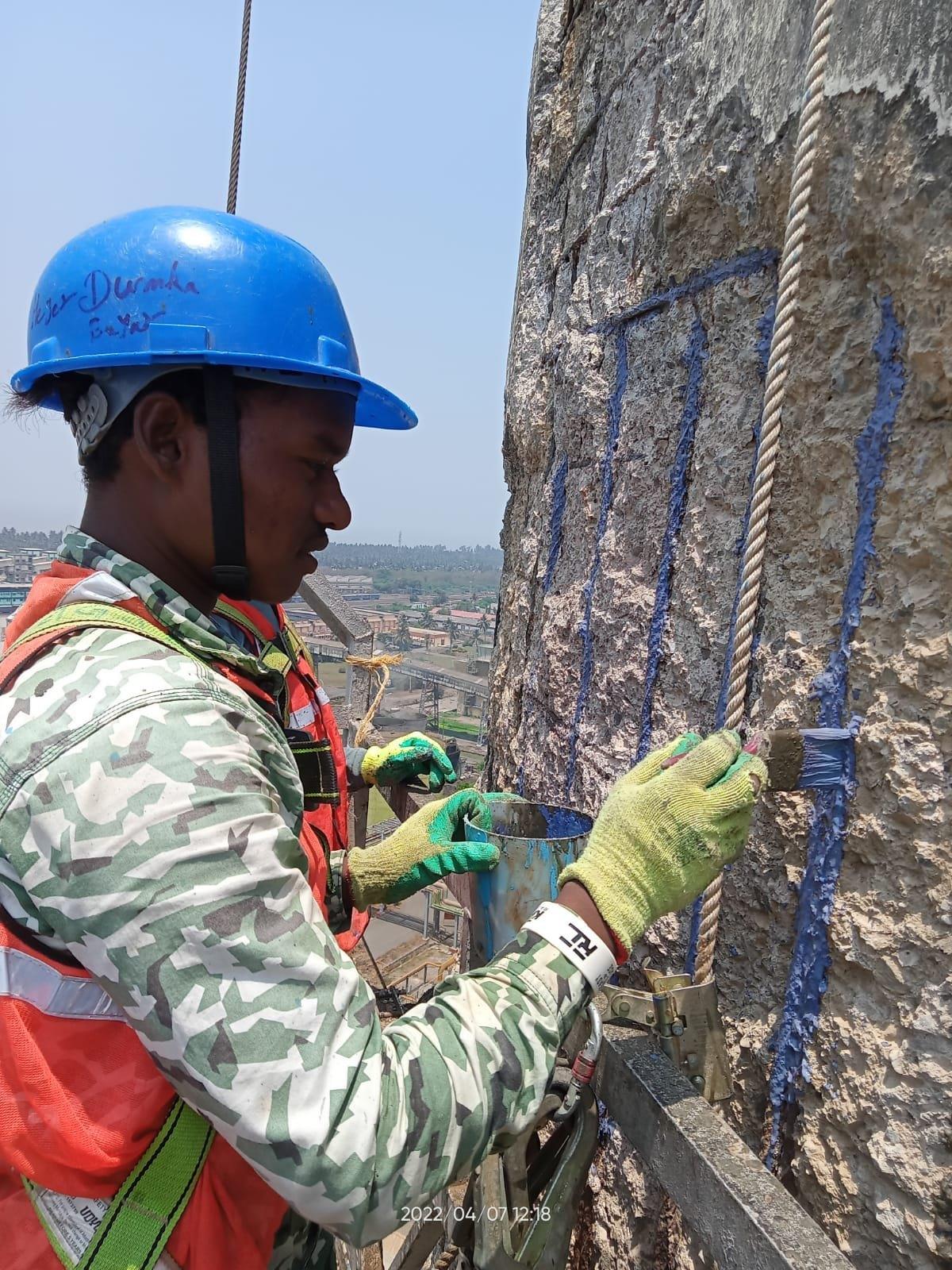
Every building experiences wear and tear over time due to weather exposure, aging materials, excessive loads, water seepage, corrosion, and poor maintenance. Small cracks or damaged concrete may appear harmless initially, but they can gradually affect the strength and stability of the entire structure. Timely structural repair services help restore the building's performance, improve safety, and extend its service life without requiring complete reconstruction, making them a practical solution for residential, commercial, and industrial properties.Modern buildings are expected to remain safe, durable, and functional for decades. However, changing environmental conditions, increasing usage, and structural deterioration often reduce their performance. Professional structural repair contractors identify the root cause of the damage and apply suitable repair techniques that improve strength while preventing future deterioration. Proper repair work also minimizes downtime, protects investments, and ensures that buildings continue performing efficiently under changing conditions.
What Are Structural Repair Services?
Structural repair services involve repairing damaged load-bearing elements such as beams, columns, slabs, foundations, retaining walls, and concrete structures. The objective is not simply to cover visible defects but to restore the original structural capacity of the building. Engineers first evaluate the extent of deterioration before selecting the most suitable repair method based on structural condition, environmental exposure, and future service requirements for the affected structure.
These services may include concrete crack repair, corrosion treatment, epoxy injection, concrete replacement, steel reinforcement protection, structural strengthening, waterproofing integration, and rehabilitation techniques. Each project requires a customized solution because no two structures deteriorate in the same way. Professional planning ensures repairs improve both structural safety and long-term durability instead of providing only temporary cosmetic improvements that fail after a short period.
Why Buildings Require Structural Repairs
Buildings face continuous stress throughout their lifecycle from environmental exposure, changing temperatures, heavy loads, vibrations, moisture, and chemical attacks. Over time, these conditions weaken concrete and reinforcement steel, causing cracks, spalling, corrosion, settlement, and reduced load-bearing capacity. Ignoring these warning signs often results in expensive repairs later and increases the possibility of structural failures that could affect occupant safety.
Construction defects, poor workmanship, low-quality materials, inadequate maintenance, and unauthorized structural modifications can also contribute to deterioration. Industrial facilities may experience additional damage from machinery vibrations, aggressive chemicals, and heavy operational loads. Structural repair services address these issues through scientific investigation and engineered repair methods that restore performance while improving the building's resistance against future damage.
Common Signs That Indicate Structural Damage
Visible cracks in walls, beams, columns, and slabs often indicate underlying structural problems rather than simple surface defects. Uneven floors, sagging roofs, exposed reinforcement bars, rust stains, water leakage, concrete spalling, and widening expansion joints should never be ignored. These symptoms frequently suggest that the building requires immediate inspection by experienced structural repair contractors before the condition worsens significantly.
Doors and windows that suddenly become difficult to operate may also indicate structural movement or foundation settlement. Persistent dampness, ceiling cracks, tilting walls, and excessive vibrations during normal building use are additional warning signs requiring professional evaluation. Early diagnosis allows engineers to recommend cost-effective repair strategies before damage spreads to other structural components, reducing both repair costs and operational disruptions.
Importance of Professional Structural Repair Contractors
Structural repairs involve engineering calculations, material compatibility, safety assessments, and specialized construction techniques. Hiring experienced structural repair contractors ensures every repair follows engineering standards rather than temporary patchwork. Professionals perform detailed inspections, identify the root cause of deterioration, and recommend repair solutions that restore structural integrity while maintaining the building's original design performance for many years.
Professional contractors also use advanced testing methods such as rebound hammer testing, ultrasonic pulse velocity testing, core testing, corrosion assessment, and structural monitoring before beginning repair work. This scientific approach helps determine the actual condition of the structure instead of relying solely on visual observations. Proper diagnosis results in more effective repairs and prevents unnecessary expenditure on unsuitable repair methods.
Popular Structural Repair Techniques Used Today
Different structural problems require different repair techniques depending on damage severity and structural requirements. Epoxy injection is commonly used for repairing structural cracks, while polymer-modified mortars restore damaged concrete surfaces. Steel jacketing and concrete jacketing increase the strength of weakened columns and beams. Carbon fiber wrapping enhances load capacity without adding significant structural weight, making it ideal for many rehabilitation projects.
Other advanced methods include corrosion protection systems, cathodic protection, micro-concrete grouting, foundation strengthening, crack stitching, pressure grouting, and waterproof protective coatings. Selecting the right repair method depends on structural analysis, environmental conditions, future loading requirements, and maintenance expectations. Combining multiple repair technologies often provides the best long-term results for aging infrastructure requiring comprehensive rehabilitation.
Structural Repairs for Residential Buildings
Residential buildings require structural repairs due to aging, water leakage, foundation settlement, poor construction quality, or changing usage patterns. Timely repairs improve occupant safety while protecting property value. Addressing structural issues early prevents progressive deterioration that may eventually require extensive reconstruction. Proper repairs also enhance comfort by reducing moisture penetration, cracks, and other visible signs of structural distress within homes.
Apartment complexes, villas, independent houses, and residential societies benefit from professional structural inspections before major renovation projects begin. Repairing damaged beams, slabs, balconies, staircases, and foundations helps maintain long-term stability. Modern repair materials allow engineers to strengthen residential structures efficiently while minimizing inconvenience for occupants during construction activities.
Structural Repair Solutions for Commercial and Industrial Buildings
Commercial buildings experience higher occupancy loads, continuous operations, and greater mechanical stresses than residential structures. Structural repair services help restore offices, shopping centers, educational institutions, hospitals, warehouses, and hotels without requiring complete rebuilding. Proper repairs reduce safety risks while ensuring business operations continue with minimal interruptions during rehabilitation work whenever possible.
Industrial structures often face severe environmental conditions including chemical exposure, heavy machinery vibrations, high temperatures, and aggressive corrosion. Manufacturing plants, factories, power stations, processing facilities, and warehouses require specialized repair solutions capable of withstanding demanding operating environments. Engineered repair techniques improve structural reliability while extending the operational life of valuable industrial assets.
Benefits of Timely Structural Repair Services
Investing in structural repair services offers significant long-term advantages compared to delaying repairs until severe deterioration occurs. Early intervention reduces repair costs, prevents structural failures, improves occupant safety, and increases the lifespan of buildings. Timely repairs also preserve property value while reducing maintenance requirements over the coming years through effective rehabilitation and preventive protection measures.
Repairing damaged structures instead of replacing them often results in substantial financial savings. Rehabilitation projects consume fewer materials, generate less construction waste, and require shorter project durations compared to complete reconstruction. These benefits make structural repair an environmentally responsible and economically practical solution for maintaining aging infrastructure across multiple sectors.
How Structural Repair Contractors Assess Damage
Professional structural repair contractors begin every project with a detailed structural assessment to understand the building's current condition. Engineers inspect visible defects, review construction drawings when available, perform material testing, and evaluate loading conditions. This systematic investigation helps determine the actual causes of deterioration rather than treating only the visible symptoms affecting the structure.
After completing inspections, engineers prepare a repair strategy that prioritizes structural safety, durability, and long-term performance. The repair methodology includes material selection, construction sequence, quality control procedures, safety measures, and post-repair monitoring. Careful planning ensures repairs integrate effectively with the existing structure while minimizing operational disruptions throughout project execution.
Choosing the Right Structural Repair Contractors
Selecting experienced structural repair contractors is essential for achieving reliable and durable repair outcomes. Property owners should evaluate technical expertise, engineering capabilities, completed projects, quality assurance procedures, safety standards, and the ability to handle complex structural challenges. Choosing qualified professionals reduces project risks while ensuring repairs comply with relevant engineering practices and industry requirements.
Reliable contractors maintain transparent communication throughout the project, explaining inspection findings, repair options, expected timelines, and maintenance recommendations. They also prioritize quality materials, skilled workmanship, and proper supervision during construction. A professional approach helps clients make informed decisions while ensuring every repair contributes to the long-term performance of the structure.
Maintenance After Structural Repairs
Completing structural repairs does not eliminate the need for ongoing maintenance. Regular inspections help identify early signs of moisture intrusion, corrosion, cracking, or movement before they develop into significant structural issues. Preventive maintenance extends the effectiveness of repair work while reducing future rehabilitation costs through timely corrective actions whenever minor defects appear.
Routine cleaning, waterproofing maintenance, drainage improvements, corrosion protection, and scheduled structural inspections significantly improve building durability. Property owners who implement planned maintenance programs experience fewer unexpected repair expenses while maintaining safer structures throughout their service life. Continuous monitoring also provides valuable information for planning future maintenance activities efficiently.
Why Engineered Structural Repairs Deliver Better Results
Engineered repair solutions focus on understanding the structural behavior rather than simply repairing visible damage. Every repair considers load transfer, material compatibility, environmental exposure, and future performance requirements. This scientific approach produces longer-lasting repairs that restore structural capacity while improving resistance against recurring deterioration under varying operating conditions throughout the building's remaining service life.
Using modern repair materials together with proper engineering analysis ensures structures continue performing safely even under demanding service conditions. Whether the project involves concrete rehabilitation, foundation strengthening, corrosion protection, or structural strengthening, engineered repair solutions provide dependable results that support long-term infrastructure sustainability and improved building performance.
Professional For Structural Repair Services
When structural damage appears, delaying repairs often increases both safety risks and future repair costs. Working with experienced structural repair contractors ensures that every issue is carefully assessed and repaired using appropriate engineering techniques designed for long-term durability. For organizations seeking reliable structural rehabilitation solutions, Gubbi Civil Engineers Limited offers professional expertise in concrete repair, structural strengthening, rehabilitation, and infrastructure restoration, helping buildings remain safe, durable, and operational for many years.
Structural deterioration is a natural process, but it should never be ignored. Professional structural repair services restore the strength, stability, and durability of buildings while extending their operational life through scientifically engineered repair methods. Whether addressing cracks, corrosion, weakened concrete, or aging infrastructure, timely intervention prevents costly failures and protects valuable assets from progressive damage. Choosing experienced structural repair contractors provides confidence that repairs are based on engineering analysis rather than temporary fixes. Proper inspections, advanced repair technologies, quality materials, and preventive maintenance together ensure buildings remain safe, functional, and resilient for future generations. Investing in structural rehabilitation today is a practical decision that delivers lasting value, improved safety, and sustainable infrastructure performance.

 English
 Arabic
 French
 Spanish
 Portuguese
 Deutsch
 Dutch
Dutch
 Italiano
 Russian
 Romaian
 Portuguese (Brazil)
 Greek
Greek
