


What Is Concrete Pumping Service?
When it comes to modern construction, speed, accuracy, and safety are more important than ever. Whether you are building a new home, pouring a driveway, constructing a commercial building, or working on a large infrastructure project, placing concrete efficiently can make a significant difference in the overall success of the job.
Traditionally, workers had to transport concrete using wheelbarrows or buckets, which required considerable time and labor. As construction projects became larger and more demanding, a more practical solution was needed. This is where concrete pumping technology transformed the industry by allowing concrete to be delivered directly to the required location with greater precision and efficiency.
A concrete pumping service provides a fast and reliable way to transport freshly mixed concrete from the mixer truck to the exact area where it needs to be poured. Using specialized pumping equipment, contractors can place concrete accurately, even in locations that are difficult to access. This method helps reduce manual labor, improves productivity, and ensures a smoother construction process for projects of all sizes.
Understanding Concrete Pumping
Concrete pumping is the process of transferring liquid concrete through a pumping system instead of moving it manually. A pump uses pressure to push concrete through pipelines or flexible hoses until it reaches the desired location.
This method allows construction teams to place concrete over long distances, at elevated heights, or in confined spaces without unnecessary delays. The process not only saves time but also improves the quality and consistency of the concrete placement.
Today, concrete pumping is widely used in residential, commercial, industrial, and civil construction projects because it offers greater flexibility and efficiency compared to traditional pouring methods.
How Does Concrete Pumping Work?
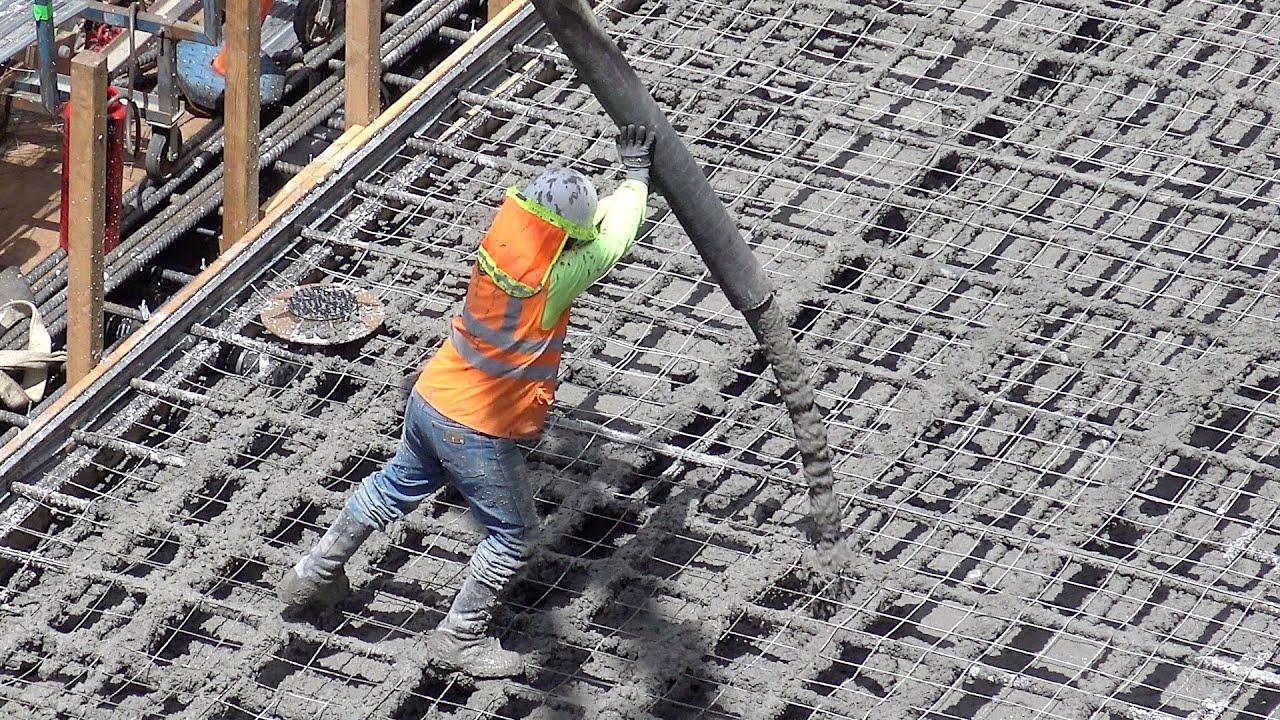
The process begins when ready-mix concrete is delivered to the construction site by a mixer truck. The concrete is poured into the hopper of the pump, where powerful hydraulic mechanisms move it through connected pipes or hoses.
Depending on the type of project, operators guide the hose to direct the concrete exactly where it is required. Because the flow is controlled throughout the process, concrete can be placed evenly without excessive waste or unnecessary movement around the site.
Professional operators continuously monitor the pumping pressure and flow to ensure smooth delivery while maintaining the quality of the concrete mix.
Types of Concrete Pumps
Different construction projects require different pumping equipment. Choosing the right pump depends on the size of the project, accessibility, and the distance the concrete needs to travel.
Boom Pumps
Boom pumps are mounted on trucks and feature a hydraulic arm that can extend over buildings, obstacles, or difficult terrain. They are commonly used for:
-
Multi-storey buildings
-
Commercial construction
-
Bridges
-
Large concrete slabs
-
High-rise projects
Because the boom can reach difficult areas quickly, these pumps significantly reduce the time required for concrete placement.
Line Pumps
Line pumps use flexible hoses connected directly to the pumping unit. They are ideal for projects where precision and flexibility are essential.
Line pumps are commonly used for:
-
Residential homes
-
Footpaths
-
Swimming pools
-
Small foundations
-
Driveways
-
Backyard projects
Their compact design allows them to access tighter spaces where larger equipment may not fit.
Benefits of Concrete Pumping
Concrete pumping has become the preferred method for many contractors because it offers several practical advantages.
Faster Construction
One of the biggest benefits is speed. Concrete can be delivered continuously without repeated manual transportation, allowing projects to stay on schedule.
Improved Accuracy
Concrete is placed exactly where it is needed, reducing uneven pours and minimizing the need for adjustments after placement.
Reduced Labor Costs
Since the pumping system performs much of the heavy work, fewer workers are required to transport concrete manually. This helps lower labor expenses while improving overall efficiency.
Better Site Safety
Reducing wheelbarrow traffic and manual handling minimizes the risk of workplace injuries. Workers spend less time carrying heavy loads and more time focusing on quality workmanship.
Less Material Waste
Accurate placement means less spilled concrete and better control throughout the pouring process. This helps contractors save materials while maintaining cleaner job sites.
Access to Difficult Areas
Concrete pumps can reach locations that would otherwise be difficult or impossible to access using traditional methods. Elevated floors, narrow pathways, and restricted construction sites become much easier to manage.
Where Is Concrete Pumping Commonly Used?
Concrete pumping is suitable for a wide range of construction applications, including:
-
Residential house foundations
-
Concrete driveways
-
Footpaths and walkways
-
Commercial buildings
-
Industrial warehouses
-
Retaining walls
-
Concrete slabs
-
Bridges
-
Parking structures
-
Swimming pools
-
Factory floors
-
Agricultural buildings
Whether the project is small or large, pumping provides an efficient way to place concrete with minimal disruption.
Why Professional Operators Matter
Operating a concrete pump requires experience and technical knowledge. Professional operators understand how different concrete mixes behave and know how to adjust pumping pressure for various site conditions.
They also ensure the equipment is positioned correctly, pipelines are secure, and the concrete flows consistently throughout the pour. Their expertise helps avoid delays, blockages, and unnecessary interruptions during construction.
Working with experienced professionals also ensures compliance with industry safety standards, giving contractors greater confidence throughout the project.
Factors That Influence Concrete Pumping
Several factors can affect the pumping process and should be considered before starting a project.
Project Size
Larger construction projects often require boom pumps, while smaller residential jobs can usually be completed using line pumps.
Site Accessibility
Narrow access points, uneven terrain, and surrounding buildings may influence the type of equipment needed.
Pumping Distance
Some projects require concrete to travel only a few meters, while others involve pumping over long horizontal or vertical distances.
Weather Conditions
Extreme temperatures, heavy rain, or strong winds can affect concrete placement and should always be considered when scheduling a pour.
Concrete Mix Design
The consistency of the concrete mix plays an important role in successful pumping. Properly prepared concrete flows more smoothly through the pumping system and reduces the risk of blockages.
Tips for a Successful Concrete Pour
Planning ahead can make the pumping process more efficient and help avoid unnecessary delays.
-
Schedule the concrete delivery and pump at the same time.
-
Prepare the site before the concrete arrives.
-
Ensure there is enough space for equipment setup.
-
Confirm the correct concrete mix for your project.
-
Communicate clearly with the pumping operator.
-
Monitor weather forecasts before the scheduled pour.
Proper preparation helps ensure the concrete is placed efficiently and achieves the desired finish.
Why Concrete Pumping Is the Future of Construction
As construction projects continue to become more complex, contractors are looking for solutions that improve productivity without compromising quality. Concrete pumping has proven to be one of the most effective methods for achieving these goals.
From reducing labor requirements to improving placement accuracy, pumping technology helps complete projects faster while maintaining consistent results. It also supports safer job sites and allows construction teams to work efficiently in locations that would otherwise be challenging.
Whether you are building a residential property, commercial facility, or large infrastructure project, choosing professional concrete pumping can simplify the entire concrete placement process and contribute to a stronger, more durable final structure.
Final Thoughts
Concrete pumping has transformed the way modern construction projects are completed. By delivering concrete quickly, accurately, and safely, it allows builders to complete work more efficiently while reducing labor and material waste.
For homeowners, builders, and contractors alike, understanding how concrete pumping works makes it easier to choose the right solution for each project. Investing in experienced professionals and the right equipment ensures high-quality concrete placement, helping every construction project achieve lasting strength and reliability.

 English
 Arabic
 French
 Spanish
 Portuguese
 Deutsch
 Turkish
 Dutch
Dutch
 Italiano
 Russian
 Portuguese (Brazil)
 Greek
Greek
