


Scalp Infections – Common Types, Symptoms, and Treatments
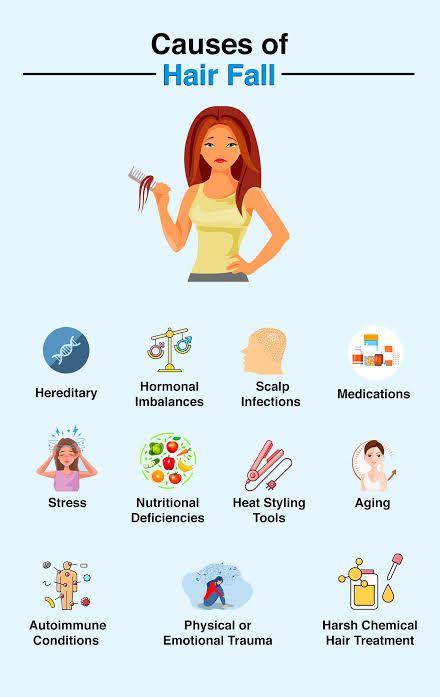
What Are Scalp Infections?
Scalp Infections are conditions caused by fungi, bacteria, viruses, parasites, or excess yeast that affect scalp health and hair follicles.
These infections can trigger itching, redness, dandruff-like flakes, pain, and noticeable hair shedding.
Early diagnosis and proper treatment help prevent permanent hair damage and restore healthy hair growth.
Types Of Scalp Infections
Different scalp infections have different causes, symptoms, and treatments. Identifying the exact condition allows doctors to recommend the most effective therapy.
Ignoring symptoms may worsen inflammation and increase the risk of temporary or permanent hair loss.
Malassezia Infections –
Malassezia is a naturally occurring yeast that can overgrow and cause a scalp yeast infection, irritation, oily flakes, and persistent itching. It is commonly associated with dandruff and seborrheic dermatitis. Antifungal shampoos and proper scalp hygiene usually control this condition effectively.
Tinea Capitis –
Tinea capitis is a contagious fungal hair infection caused by dermatophyte fungi. It creates circular bald patches, broken hairs, scaling, and severe itching.
This condition is one of the most common forms of fungus on scalp and requires prescription antifungal medication. Visit Us www.honneteaesthetics.com
Bacterial Folliculitis –
Bacterial folliculitis develops when bacteria infect hair follicles, producing painful red bumps or pus-filled pimples. If untreated, inflammation may damage follicles and increase hair shedding.
Early antibiotics help prevent complications and encourage healthy follicle recovery.
Viral Infections –
Certain viral infections can affect the scalp, causing blisters, pain, or skin inflammation. Although less common, severe viral infections may temporarily interrupt normal hair growth. Prompt medical evaluation ensures accurate diagnosis and appropriate treatment.
Lice Infection –
Head lice are tiny parasites that feed on blood from the scalp and cause intense itching. Continuous scratching can injure the scalp and increase the chance of secondary infection. Prescription or medicated lice treatments effectively eliminate these parasites.
Seborrheic Eczema –
Seborrheic eczema is an inflammatory condition often linked with scalp yeast infection and excessive oil production.
It causes greasy scales, redness, and persistent dandruff. Regular medicated shampoos and anti-inflammatory treatments help reduce flare-ups and discomfort.
Signs And Symptoms Of Scalp Infection
Common symptoms include itching, redness, swelling, scaling, flaky skin, tenderness, unpleasant odor, and hair loss. Some patients also develop painful bumps, pus, crusting, or patchy bald spots caused by scalp fungus. Persistent symptoms should always be assessed by a dermatologist.
Scalp Infections That Cause Hair Loss
Several infections directly damage hair follicles, resulting in excessive shedding or patchy baldness. Timely diagnosis significantly improves treatment success and lowers the risk of permanent follicle destruction. Early medical care protects long-term scalp and hair health.
Tinea Capitis
Tinea capitis frequently causes circular hair loss with scaling and inflammation. The responsible hair fungus invades the hair shaft, making strands weak and easy to break. Prompt oral antifungal treatment usually restores healthy hair growth after recovery.
Bacterial folliculitis –
Severe bacterial folliculitis inflames hair follicles and may lead to scarring if left untreated. Painful pustules and redness often accompany noticeable hair thinning. Appropriate antibiotics reduce infection and protect the follicles from permanent damage.
Piedra –
Piedra is a rare fungal hair infection characterized by hard fungal nodules attached to hair shafts. Hair becomes fragile and breaks easily, causing thinning. Antifungal medications and trimming affected hair usually provide effective treatment.
Demodex folliculorum –
Demodex mites normally live on human skin but may overgrow in certain individuals. Excessive infestation can irritate follicles, worsen inflammation, and contribute to scalp discomfort. Proper dermatological treatment helps restore scalp balance and reduce symptoms.
Seborrheic dermatitis –
Seborrheic dermatitis is closely associated with scalp yeast infection and inflammation around hair follicles. Persistent itching and scratching may increase temporary hair shedding. Consistent treatment with medicated shampoos usually controls symptoms and supports healthier hair.
How Are Scalp Infections Diagnosed?
Doctors diagnose Scalp Infections through physical examination, scalp evaluation, dermoscopy, fungal culture, skin scraping, or laboratory testing. Sometimes a biopsy is recommended for difficult cases.
Identifying whether the problem is fungus on scalp, bacteria, or another cause ensures the correct treatment plan.
Scalp Infection Treatment
Treatment depends on the infection type, severity, and underlying cause. Doctors may combine medications with supportive therapies to improve scalp healing. Patients should always complete the full treatment course to prevent recurrence.
Hair Transplant –
Hair transplantation is not performed during an active infection but may be considered after complete recovery if permanent hair loss remains. Specialists first ensure the scalp is healthy before planning restoration procedures. Proper timing improves transplant success.
PRP
Platelet-Rich Plasma (PRP) therapy may support hair regrowth after infection-related inflammation has resolved. Growth factors promote healthier follicles and improve scalp healing. PRP is used alongside medical treatment rather than replacing infection control.
Topical Medicines –
Antifungal creams, medicated shampoos, antibiotic lotions, and steroid preparations help reduce inflammation and treat scalp fungus or hair fungus affecting the scalp surface. Correct application and regular use improve treatment outcomes while reducing recurrence.
Oral Medicines –
Oral antifungal or antibiotic medicines are often necessary for deeper infections like fungal hair infection or severe fungus on scalp. Patients should follow the prescribed dosage carefully and attend follow-up appointments for complete recovery.
How To Get Rid Of Scalp Infection?
Maintain good scalp hygiene, avoid sharing combs or towels, wash hair regularly, and seek treatment immediately for persistent itching or scaling. Follow your dermatologist's instructions, complete all medications, and avoid scratching affected areas.
Early care prevents Scalp Infections, limits scalp fungus, reduces hair fungus, controls scalp yeast infection, treats fungus on scalp, and lowers the chance of another fungal hair infection.
Final Conclusion
Scalp Infections can affect anyone and may lead to discomfort, inflammation, and significant hair loss if ignored. Recognizing symptoms early, obtaining an accurate diagnosis, and following the recommended treatment plan provide the best chance of complete recovery.
Healthy scalp care, timely medical attention, and preventive hygiene practices help protect hair follicles, minimize recurring scalp yeast infections, prevent scalp fungus, control scalp fungus, eliminate hair fungus, and reduce future fungal hair infections while supporting long-term healthy hair growth.
The Honnete Aesthetics medical team wrote this article

 English
 Arabic
 French
 Spanish
 Portuguese
 Deutsch
 Turkish
 Dutch
Dutch
 Italiano
 Russian
 Romaian
 Portuguese (Brazil)
