


The Best Partners for a Historic Building Preservation
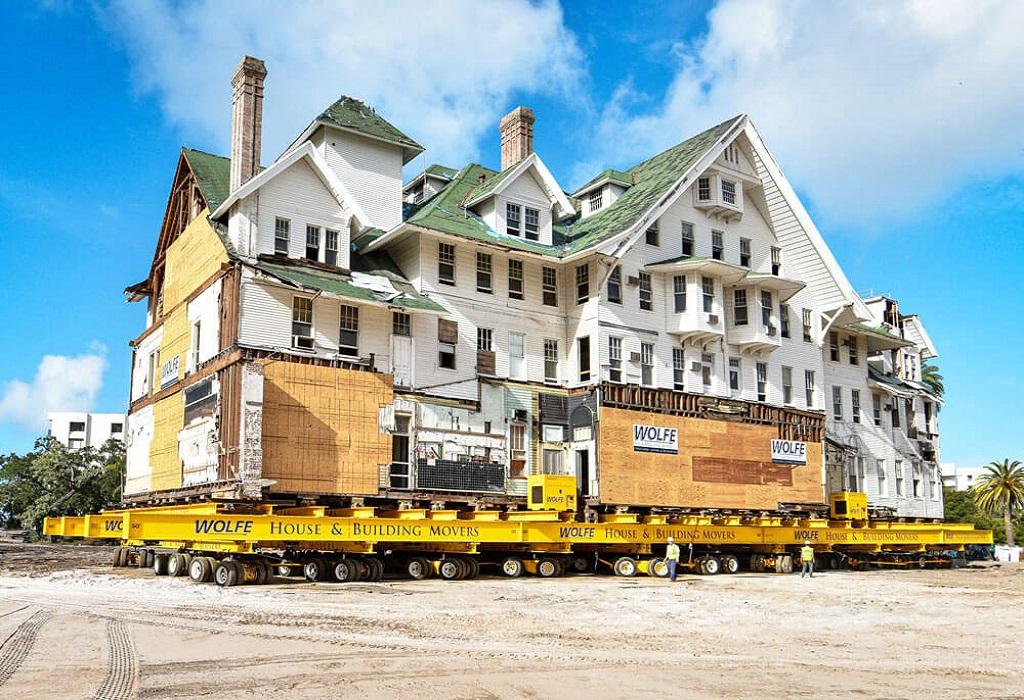
Protecting heritage and culture sometimes requires drastic action, and you need the right partners to make it work, especially with historic building preservation. Often this begins with a difficult decision: should an aging structure remain where it is, or should it be carefully relocated to ensure its future? Moving an entire building has become a practical solution for saving historically significant structures that would otherwise face demolition or neglect. When completed correctly, historical relocation gives these landmarks a second chance while preserving the stories they represent for future generations.
Preserving Buildings Requires Cooperation
Historical relocation is the process of moving a building from its original location to a new site without destroying its architectural character or historical value. This highly specialized project involves engineering, structural planning, transportation logistics, and restoration work. Every stage requires careful coordination because even small mistakes can compromise the building's integrity. That's why successful relocation projects depend on experienced professionals and a network of dedicated partners who share the same vision.
Local Historical Societies
A local historical society or preservation organization can be a valued partner when you're working to preserve a historic building. These groups understand the importance of the building within the community and can provide valuable historical research, documentation, and guidance. They often know whether a structure qualifies for preservation programs or grants and can help explain why saving it benefits the surrounding area. Their experience with similar projects can also help identify potential challenges before work begins.
Community Organizations and Social Media Grassroot Campaigns
There are also community organizations and grassroot campaigns on social media that could help your project. These could include neighborhood associations, local business groups, educational institutions, and civic organizations that can help build public support for a relocation effort. A grassroots campaign on social media can spread the word too. Preserving a historic building is about protecting the identity of a community, so when local residents understand the cultural and economic value of the project, they are often more willing to volunteer, donate, or advocate for its success.
Government Agencies
Seeking the support of government agencies that can assist with permits, zoning approvals, road closures, utility coordination, and compliance with regulations can also be of help. They may identify financial incentives, tax programs, or preservation funding that could make the project more affordable. Having government support early in the planning process can improve the progress of your initiative.
It's also best to consult state historic preservation offices, since they work with preservation projects on a regular basis and understand both state and federal requirements. Their guidance helps ensure the relocation protects the building's historical significance while remaining eligible for grants or preservation incentives. They can also recommend best practices for restoration once the structure reaches its new location.
Building Movers and Contractors
Perhaps the most essential partners are experienced building movers, structural engineers, contractors, and developers. Relocating a historic building requires specialized equipment, careful planning, and years of technical knowledge. Before a move ever begins, engineers evaluate the building's condition, determine how it can be safely lifted, and develop a transportation plan that minimizes risk. Skilled contractors then stabilize, restore, and adapt the structure so it can serve a new purpose while maintaining its historic character.
Developers who appreciate preservation can make an enormous difference as well. Rather than viewing an older building as an obstacle, they recognize its potential to become a unique home, business, restaurant, office, or community gathering place. Giving an old structure a new function allows it to remain relevant while preserving the craftsmanship and architectural details that make it special.
You Need a Community to Make Historic Building Preservation Work
Successful relocation projects are often driven by people who genuinely care about preserving local history. These structures represent the people who built them, the generations who used them, and the memories they continue to inspire. Relocating a building gives it the opportunity to continue telling its story instead of disappearing forever. And they require patience, collaboration, and a shared commitment to protecting the past.
When preservation organizations, community leaders, government agencies, engineers, contractors, and passionate developers work together, they create the foundation for long-term success. Historic Building Preservation depends on these partnerships, ensuring historic landmarks can be carefully relocated, thoughtfully restored, and appreciated for generations to come.
For More Information About Move Houses and Roof Lifting Please Visit: Wolfe House & Building Movers.

 English
 Arabic
 French
 Spanish
 Portuguese
 Deutsch
 Turkish
 Dutch
Dutch
 Italiano
 Russian
 Romaian
 Greek
Greek
