


Premium Restaurant Commercial Kitchen Equipment in Noida for Faster, Safer, More Profitable Kitchens
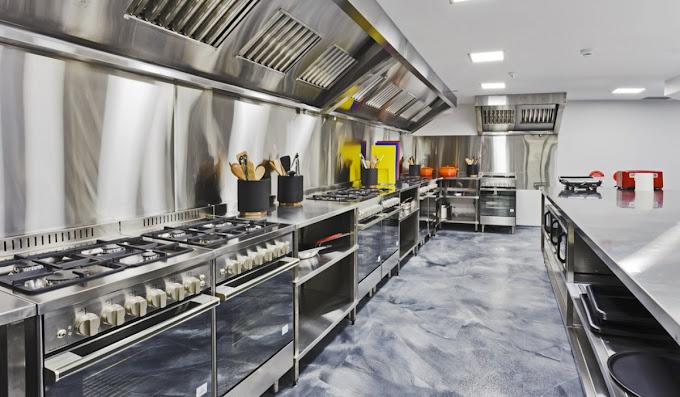
A Noida restaurant can lose sales when one burner fails during dinner or a refrigerator cannot hold safe temperatures. Customers expect quick service, steady taste, clean food, and reliable delivery, while many kitchens work with limited back-of-house space. Premium restaurant commercial kitchen equipment in Noida helps control cooking speed, hygiene, staff effort, energy use, and long-term repair costs.
The right plan begins with your menu, service model, daily volume, and floor area. Restaurant owners, hotel operators, cloud kitchen founders, caterers, and food-service teams should also assess steel quality, capacity, installation, maintenance, after-sales support, and total cost of ownership before placing an order.
Build a High-Performance Kitchen Around Your Menu
Match Capacity to Daily Production
Start with average covers, peak-hour orders, batch sizes, delivery volume, and preparation time. A fine-dining kitchen needs precise cooking and plating equipment, while a QSR may need high-output fryers, griddles, holding units, and fast refrigeration. Cafés, banquet kitchens, hotels, cloud kitchens, and caterers each require different production capacity.
Estimate how many dishes you prepare per hour, how long prep takes, and which items need batch cooking. Size ovens, refrigerators, freezers, storage racks, and dishwashers for peak demand, but avoid oversized machines that sit idle most days.
Design a Workflow With Less Movement
Plan the path from receiving and storage to preparation, cooking, plating, dispatch, washing, and waste removal. Assembly-line, island, zone-based, galley, and open-kitchen layouts can all work when staff movement stays short and safe.
Keep raw food handling apart from cooked food, dishwashing, waste, and service paths. Before fixing equipment, watch the busiest service period and map where cooks, servers, cleaners, and delivery staff move.
Select Premium Restaurant Commercial Kitchen Equipment in Noida
Choose Ranges, Burners, and Cooking Lines
Commercial gas ranges, high-pressure burners, Chinese ranges, dosa stations, tandoors, induction units, and modular cooking lines support different menus. Compare burner count, heat output, fuel type, pan fit, flame control, cleaning access, safety systems, and replacement parts.
A modular line may suit a busy kitchen better than several separate units because it creates one clean work area. Confirm gas pressure, electrical load, exhaust needs, and utility connections before ordering.
Improve Output With Ovens and Specialty Equipment
Convection and combi ovens support baking, roasting, reheating, and finishing. Deck and pizza ovens suit bread and pizza menus, while fryers, grills, griddles, salamanders, microwaves, and tandoors serve focused production needs.
Check temperature stability, recovery time, chamber size, cooking programs, humidity control, oil filtration, and cleaning needs. A multifunction oven can replace several appliances, but only if its capacity will not create a service delay.
Add Preparation Equipment for Consistent Portions
Food processors, vegetable cutters, mixers, dough sheeters, mincers, slicers, blenders, juicers, and immersion tools reduce repetitive work. They also improve portion control, prep speed, and product uniformity.
Match each machine to batch size, motor strength, attachments, safety interlocks, noise level, cleaning time, and available consumable parts. Choose tools that reduce labor without changing the texture or method your menu requires.
Protect Ingredients With Cold and Dry Storage
Build the Right Cold-Storage System
Upright refrigerators, under-counter units, reach-in freezers, chest freezers, blast chillers, refrigerated prep counters, and display coolers serve different needs. Review temperature range, insulation, compressor quality, door design, defrost systems, monitoring, and energy use.
Hotels, caterers, central kitchens, and high-volume restaurants may need a walk-in or modular cold room. Calculate capacity by ingredient type and delivery frequency, not only by kitchen size.
Improve Inventory Control
Stainless-steel racks, bins, sealed containers, and pallet systems make stock easier to count and protect. Use FIFO and FEFO methods, clear labels, date records, pest controls, and secure storage for costly ingredients.
Keep common items close to prep areas, but away from heat, water, and chemicals. Temperature logs, correct container sizes, careful door use, and preventive maintenance help reduce spoilage.
Upgrade Hygiene, Dishwashing, and Utilities
Keep Washing Capacity Ahead of Demand
Under-counter, hood-type, conveyor, and glasswashers suit different service volumes. Compare cycle time, rack capacity, water use, heating needs, sanitization, drainage, and chemical dosing.
Add pre-rinse stations, separate sinks, and drying racks where needed. Size the wash area for the busiest service cycle, not average daily use.
Plan Exhaust and Airflow Before Installation
Exhaust hoods, grease filters, ducting, fresh-air systems, make-up air, and exhaust fans control heat, smoke, grease, odors, and moisture. Gas ranges and high-heat equipment need professional ventilation design.
Provide duct access for cleaning and include fire-safety measures. Fix the ventilation plan before placing cooking equipment or ceiling services.
Control Water, Drainage, and Waste
Provide separate areas for handwashing, produce washing, utensil cleaning, and general work. Check water pressure, hot-water supply, floor drains, drainage slopes, grease traps, waste bins, and garbage holding space before installation.
Noida projects should also verify food-safety, fire-safety, electrical, gas, building, and local authority requirements. Early checks prevent costly civil changes later.
Evaluate Commercial Kitchen Equipment Suppliers in Noida
Check Material and Build Quality
Ask about stainless-steel grade and thickness, welds, finish, insulation, hinges, castors, burners, controls, and hardware. Request product specifications, load data, capacity, utility needs, warranty terms, and installation documents.
Custom-fabricated counters can suit compact spaces, irregular walls, service counters, and open kitchens. Standard branded appliances may offer stronger testing and parts support. Inspect a working site or factory sample before approving a large order.
Compare Installation and Customization
A capable supplier should handle site measurement, layout drawings, utility coordination, delivery, assembly, testing, calibration, staff training, and handover records. Include responsibility for civil work, electrical connections, gas lines, ducting, commissioning, and testing in the quotation.
Measure After-Sales Support
Ask about service response time, preventive maintenance, annual maintenance contracts, emergency support, spare parts, warranty exclusions, and technician coverage across Noida and nearby NCR areas. A long warranty has little value when parts or technicians are unavailable.
Control Investment With Total Cost of Ownership
Compare Utility and Operating Costs
Review gas use, electrical load, water consumption, refrigeration demand, insulation, standby power, and heat recovery. A higher-priced oven or refrigerator may cost less over time if it reduces utility use, cooking time, waste, or labor pressure.
Request energy ratings and consumption data where available. Judge performance against expected operating hours and peak demand.
Plan Purchases in Phases
Assess purchase price, installation, utilities, labor impact, maintenance, service life, downtime risk, and replacement value. One hour of failed refrigeration or cooking equipment during peak service can cost more than a modest saving at purchase.
When funds are limited, buy essential cooking, refrigeration, washing, and safety systems first. Add prep automation, specialty equipment, and extra capacity later, while leaving room for future utility connections and layout changes.
Use a Buying Checklist Before Installation
Confirm Site and Utility Readiness
Check the final layout, equipment dimensions, access routes, lift and door sizes, floor strength, ceiling height, service clearances, power points, gas lines, water inlets, drains, exhaust routes, fresh-air paths, and fire provisions.
Verify Commercial Terms
The quotation and purchase order should state the exact model or fabrication details, steel grade, thickness, dimensions, capacity, accessories, delivery date, installation scope, warranty, AMC terms, payment schedule, taxes, transport, spare-part terms, training, and commissioning.
Prepare Staff for Safe Operation
Train staff on start-up and shutdown, cleaning, temperature checks, hot-surface safety, gas and electrical safety, fault reporting, stock rotation, and waste control. Assign daily responsibility for cleaning, temperature logs, safety checks, and maintenance reports.
Conclusion
Restaurant kitchen equipment works best as one connected operating system. Start with the menu, peak volume, workflow, and available space, then match cooking, refrigeration, preparation, storage, ventilation, and washing capacity to real demand.
Material quality, installation, customization, spare parts, and service support matter as much as the purchase price. Confirm site utilities and local compliance before delivery, and reserve funds for training and maintenance. A well-planned equipment package can cut delays, protect food safety, improve consistency, and give your Noida kitchen room to grow.

 English
 Arabic
 French
 Spanish
 Portuguese
 Deutsch
 Dutch
Dutch
 Italiano
 Russian
 Romaian
 Portuguese (Brazil)
 Greek
Greek
