


Online vs Classroom: Choosing the Right Format for Your Palo Alto Training Course
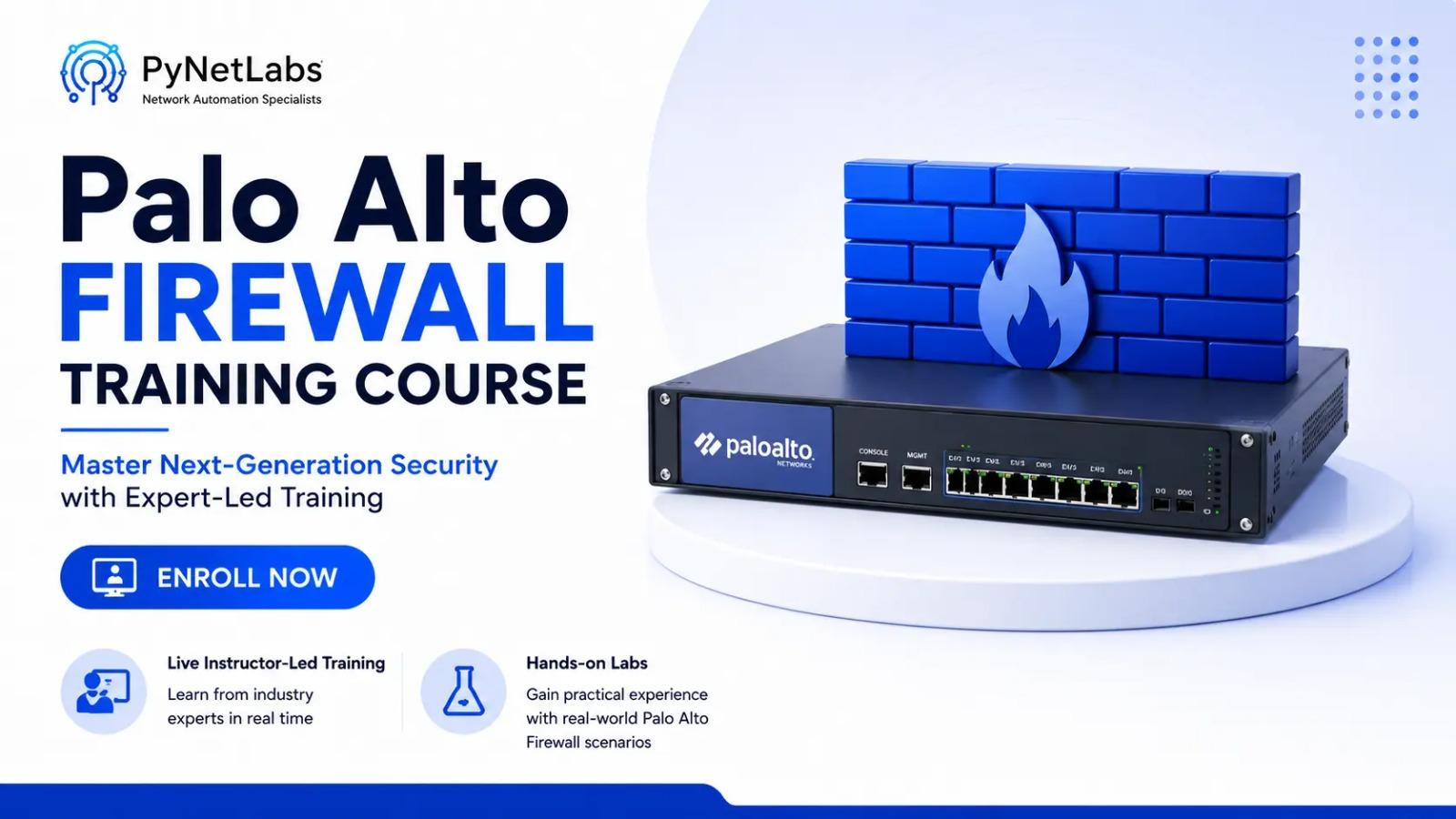
One of the first decisions you'll face when planning to learn Palo Alto firewall skills isn't about the curriculum — it's about format. Should you join a live online class, enroll in a self-paced course, or attend in-person classroom sessions? Each option has distinct advantages, and choosing the right one can significantly impact how effectively you learn. This article breaks down the pros and cons of each format to help you decide which Palo Alto Training Course style best fits your learning needs.
Understanding the Different Training Formats
Before comparing them, it's worth understanding what each format typically involves:
- Live Online Training: Instructor-led sessions conducted over video conferencing platforms, following a fixed schedule similar to a classroom but attended remotely.
- Self-Paced Online Training: Pre-recorded video lectures and lab exercises that you can complete on your own schedule, often with access to support forums or occasional live Q&A sessions.
- In-Person Classroom Training: Traditional face-to-face instruction at a physical training center, often including access to dedicated lab hardware.
- Hybrid Training: A combination of online lectures with occasional in-person lab sessions or workshops.
Advantages of Live Online Training
Live online training has become increasingly popular, and for good reason. It offers several distinct benefits:
- Real-Time Interaction: You can ask questions and get immediate answers from instructors, similar to a classroom experience.
- Structured Schedule: Fixed class timings help maintain discipline and consistent progress, which can be especially helpful for learners who struggle with self-motivation.
- Geographic Flexibility: You can join a highly-rated training program regardless of your physical location, without needing to relocate or commute.
- Peer Interaction: Live sessions often include group discussions and breakout activities, allowing you to learn from classmates' questions and experiences as well.
- Cost Efficiency: Online programs typically have lower overhead costs than physical classroom setups, which can translate into more affordable pricing for students.
Advantages of Self-Paced Online Training
For learners who need maximum flexibility, self-paced courses offer unique benefits:
- Complete Schedule Control: You can study whenever it's convenient, making this format ideal for working professionals with unpredictable schedules.
- Ability to Revisit Content: Recorded lectures can be rewatched as many times as needed, which is particularly helpful for complex topics that require repeated review.
- Self-Paced Progress: You can move quickly through topics you already understand and slow down for areas that need more attention.
- Often More Affordable: Without live instructor time built into the pricing, self-paced courses are frequently less expensive than other formats.
Advantages of In-Person Classroom Training
Despite the rise of online learning, classroom training still holds distinct advantages for certain learners:
- Immediate Hands-On Support: Instructors can directly observe your lab work and provide instant, personalized troubleshooting help.
- Fewer Distractions: Being physically present in a dedicated learning environment can help some students focus better than they would at home.
- Networking Opportunities: In-person classes often foster stronger relationships with classmates and instructors, which can be valuable for future professional connections.
- Structured Environment: The physical commitment of attending class in person can help reinforce discipline and consistency for some learners.
Which Format Should You Choose?
The right choice depends largely on your personal learning style, schedule, and career situation. Consider these guiding questions:
Do You Need Flexibility?
If you're currently employed full-time or have unpredictable commitments, self-paced or live online training with flexible scheduling options will likely serve you better than rigid in-person classes.
Do You Learn Best Through Direct Interaction?
If you thrive on asking questions in real time and benefit from instructor feedback during practice sessions, live online or in-person classroom formats will likely be more effective for you.
Are You Self-Motivated?
Self-paced learning requires strong self-discipline, since there's no fixed schedule pushing you to keep up. If you know you tend to procrastinate without external structure, a live format may help you stay on track.
What's Your Budget?
Generally speaking, self-paced online courses tend to be the most affordable option, followed by live online training, with in-person classroom training often being the most expensive due to facility and hardware costs.
Do You Have Access to Quality Local Training?
If there isn't a strong training provider near you, online formats open access to highly rated instructors and programs regardless of your location, something that wasn't possible before online learning became widely available.
What to Look for Regardless of Format
No matter which format you choose, certain quality indicators remain important:
- Hands-On Lab Access: Ensure the course includes real or virtual lab environments where you can practice configurations directly, rather than only watching demonstrations.
- Experienced Instructors: Look for trainers with genuine industry experience, not just theoretical teaching backgrounds.
- Updated Curriculum: Confirm that course content reflects current PAN-OS versions and features, since outdated material can leave gaps in your knowledge.
- Certification Support: A good course should help prepare you specifically for PCNSA or PCNSE certification exams, not just general firewall concepts.
- Post-Course Access: Check whether you'll retain access to course materials and recordings after completion, which can be valuable for future reference.
Combining Formats for Maximum Benefit
Many successful learners don't limit themselves to a single format. For example, you might complete a self-paced foundational course to build basic knowledge, then join live sessions or workshops for more advanced, hands-on topics. This blended approach allows you to build a strong base independently while still benefiting from expert guidance for the more challenging aspects of the material.
Making Your Final Decision
Ultimately, there's no universally "best" format — only the format that best matches your personal circumstances, learning style, and goals. Take time to honestly assess your schedule flexibility, self-discipline, budget, and preference for interaction before committing to a training program. Many providers also offer trial sessions or detailed curriculum previews, which can help you get a feel for their teaching style before making a final decision.
Conclusion
Whether you choose live online sessions, self-paced modules, or in-person classroom training, the most important factor is consistency and genuine engagement with the material. A Palo Alto Training Course, regardless of format, can equip you with valuable, career-advancing skills — as long as you choose a format that fits your lifestyle and commit to actively practicing what you learn. Take the time to evaluate your options carefully, and choose the path that sets you up for real, lasting success in your network security career.

 English
 Arabic
 French
 Spanish
 Portuguese
 Deutsch
 Turkish
 Dutch
Dutch
 Italiano
 Russian
 Portuguese (Brazil)
 Greek
Greek
