


How to Choose the Right Precision CNC Router for Your Industrial Workshop
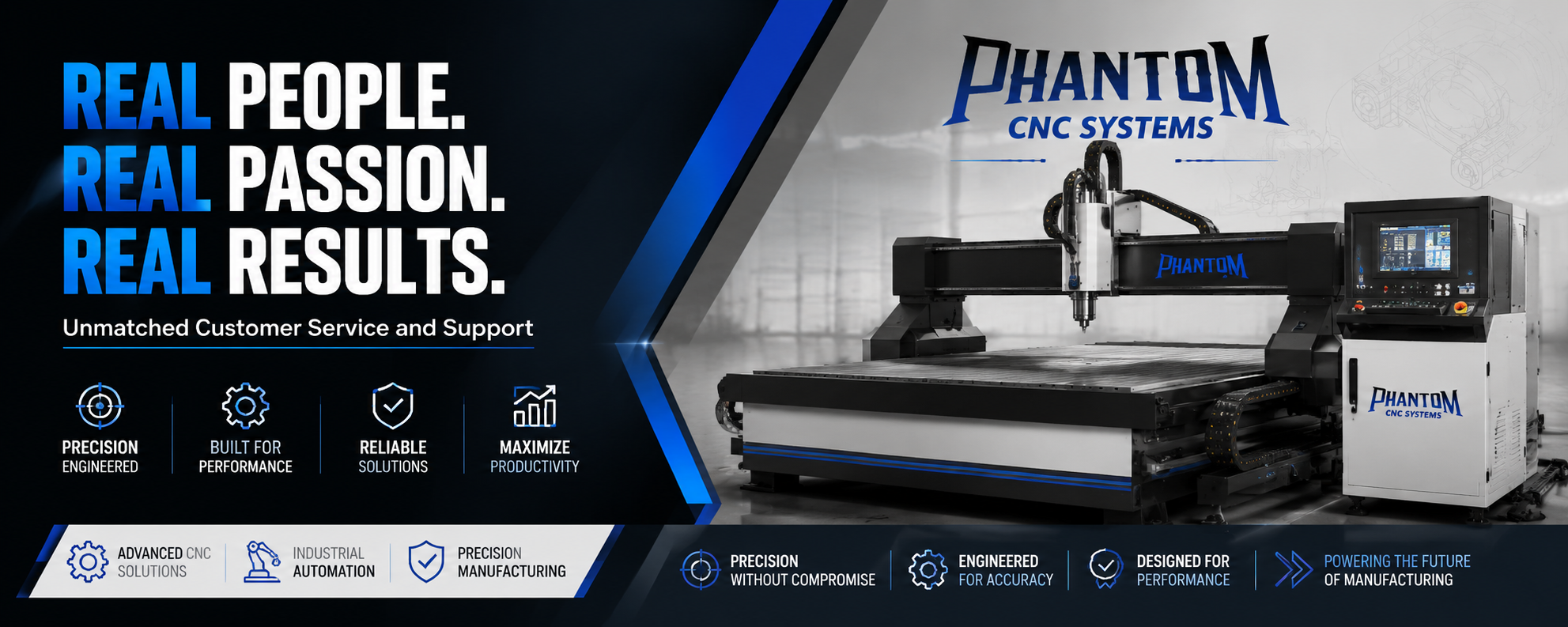
Investing in a CNC router is one of the most critical operational decisions an industrial workshop or fabrication business can make. The right machine dramatically increases production speed, tightens manufacturing tolerances, and lowers overall labor costs. Conversely, choosing an underpowered or unreliable system creates bottlenecks, material waste, and costly downtime.
Whether you are expanding a custom cabinet shop, running a sign-making enterprise, or managing a high-volume metal fabrication facility, finding the ideal precision CNC router requires looking beyond basic price tags. You need a machine built for continuous duty cycles, repeatable accuracy, and long-term return on investment.
In this guide, we will break down key factors to evaluate when selecting a precision CNC router, how to evaluate spindle power and drive systems, and what to look for in a machinery partner.
1. Define Your Production Requirements and Materials
Before comparing technical specifications, evaluate the exact demands of your shop floor. Different materials place unique stresses on a CNC router frame and spindle.
Key Questions to Ask
-
What primary materials will you cut? Softwoods, hardwoods, plywood, composite plastics, aluminum, and brass each require distinct spindle speeds and rigidity.
-
What are your average sheet sizes? Standard industrial sheet goods in North America measure 4x8 feet or 5x10 feet. Choosing a table size that matches your sheet dimensions eliminates manual pre-cutting.
-
What is your target daily throughput? High-volume production shops running multi-shift operations require heavy-duty steel frames to absorb vibration over thousands of operating hours.
Choosing a machine that matches your material mix ensures optimal cut quality without sacrificing tool longevity.
2. Evaluate Core Structural and Mechanical Components
The underlying frame structure determines how accurately a machine cuts at high feed rates. A lightweight frame flexes under heavy lateral loads, leading to dimensional variance and premature tool wear.
Machine Bed Construction
Heavy welded steel frames provide maximum stability compared to lightweight aluminum extrusion frames. Stress-relieved steel beds absorb cutting vibrations, ensuring clean edge finishes on dense hardwoods and non-ferrous metals.
Drive Systems: Ball Screws vs. Helical Rack and Pinion
-
Helical Rack and Pinion: Ideal for large-format tables requiring high speed and torque across long axis travels. Helical gearing provides continuous tooth contact, resulting in smooth motion and high position accuracy.
-
Precision Ball Screws: Frequently utilized on the Z-axis or smaller precision machines. Ball screws offer zero backlash and exceptional accuracy for vertical tool plunges.
Servo Motors vs. Stepper Motors
Industrial manufacturing demands closed-loop servo motor systems. Unlike open-loop stepper motors, servo systems continuously monitor shaft position. If the cutting bit encounters a dense knot in hardwood, a servo system adjusts torque instantaneously without losing step synchronization.
3. Selecting the Right Spindle and Tooling Configuration
The spindle is the heart of your CNC router. Matching spindle power to your depth of cut requirements is essential for smooth daily operations.
Air Cooled vs. Liquid Cooled Spindles
-
Air Cooled Spindles: Simple to maintain and highly reliable in standard ambient shop temperatures. They are well suited for general woodworking and cabinetry.
-
Liquid Cooled Spindles: Run significantly quieter and maintain stable operating temperatures during prolonged high-RPM cutting cycles. They are ideal for continuous non-ferrous metal cutting and tight-tolerance plastics.
Automatic Tool Changers (ATC)
If your manufacturing process involves multiple bit passes (such as nesting, drilling, and profiling on a single sheet), an Automatic Tool Changer (ATC) is essential. An ATC system reduces setup times, eliminates manual bit changes, and prevents operator errors during tool height offset measurement.
For high performance machinery designed to handle heavy industrial workloads, exploring custom configurations from trusted manufacturers like Phantom CNC Systems gives workshops the exact combination of table size, spindle power, and automated loading options necessary for scalable growth.
4. Software Compatibility and Motion Control
An industrial CNC machine is only as effective as the control system behind it. Ensure your chosen platform integrates seamlessly with industry-standard CAD/CAM software solutions like Vectric Aspire, Fusion 360, or SolidWorks.
Motion Controller Interface
Look for intuitive control consoles that offer real-time feed rate overrides, graphical toolpath previews, and easy zero-point setting. Handheld pendants or dedicated industrial touchscreens allow operators to inspect the job bed closely during setup.
Key Takeaways for Buyers
-
Prioritize Heavy Construction: A stress-relieved steel frame is required to eliminate vibration and maintain accuracy over years of heavy use.
-
Invest in Servo Drives: Closed-loop servo motors prevent lost steps and protect raw material stock from ruined cuts.
-
Match Spindle Power to Application: Ensure spindle horsepower matches your material density and required depth per pass.
-
Factor in Support and Training: Select a machine provider that offers reliable technical assistance, replacement parts availability, and comprehensive setup guidance in North America.
Frequently Asked Questions
What is the difference between a 3-axis and a 5-axis CNC router?
A 3-axis CNC router moves along X, Y, and Z axes, making it perfect for flat sheet processing, panel work, and relief carving. A 5-axis router adds rotation around two additional axes, allowing the cutting head to approach material from complex angles for intricate 3D shapes and aerospace parts.
How often should an industrial CNC router be serviced?
Routine maintenance should occur daily and weekly. Daily tasks include clearing dust and chips from linear rails and auto-lubricating key motion components. Weekly checks include inspecting drive belt tension, spindle cooling fluid levels, and electrical cabinet air filters.
Can a CNC woodworking router cut aluminum and soft metals?
Yes. With proper spindle speed regulation, correct feed rates, and single-flute or double-flute carbide tooling designed for non-ferrous materials, precision routers handle aluminum, brass, and copper efficiently. Adding a mist coolant system helps clear chips and keeps tool temperatures low.
Conclusion
Upgrading your shop capabilities with a precision CNC router transforms production output, lowers material scrap rates, and opens new commercial opportunities. By evaluating frame construction, motion control systems, and spindle options against your specific workflow, you secure a manufacturing asset that pays dividends for years to come.

 English
 Arabic
 Spanish
 Portuguese
 Deutsch
 Turkish
 Dutch
Dutch
 Italiano
 Russian
 Romaian
 Portuguese (Brazil)
 Greek
Greek
