


Hysterectomy Surgical Instruments and Fibroid Surgery Instruments: Essential Tools for Modern Minimally Invasive Gynecologic Procedures
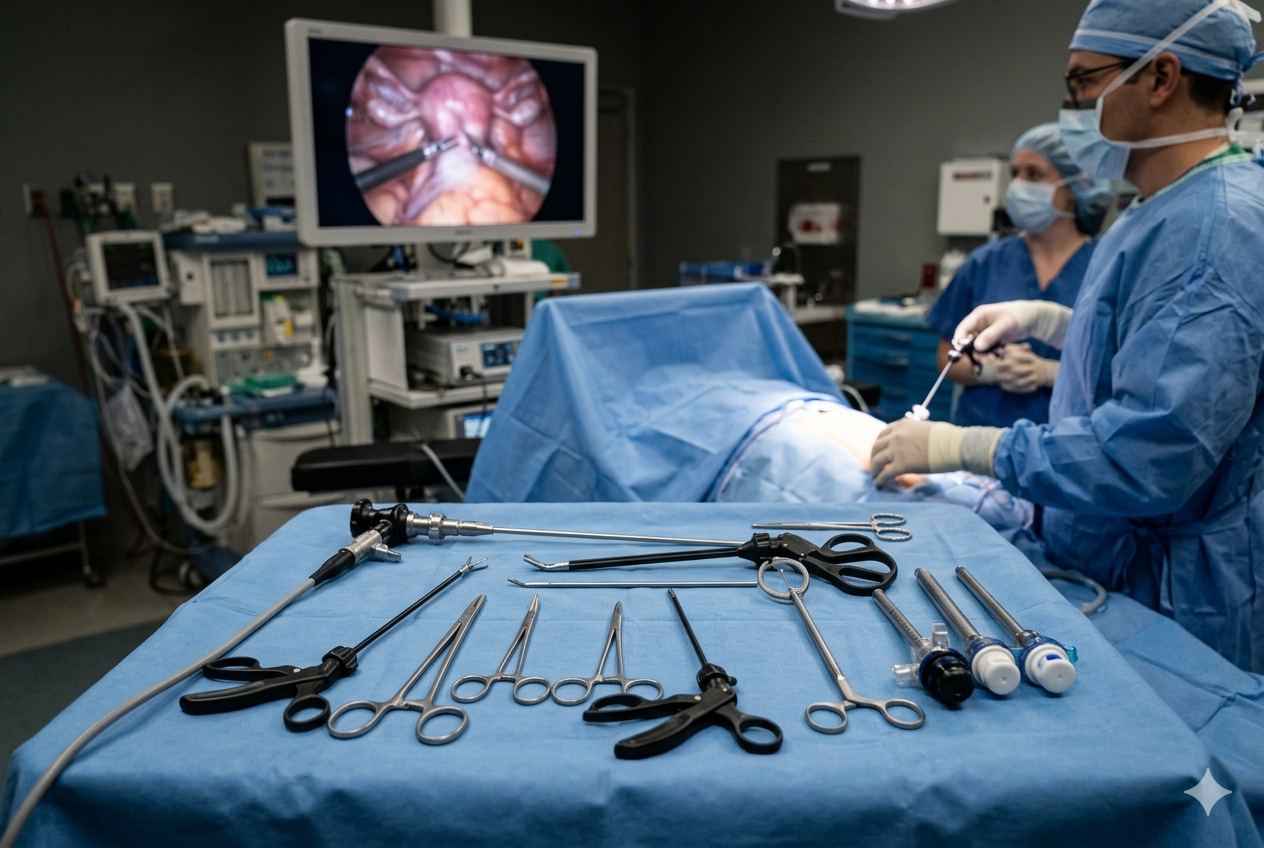
Advancements in surgical technology have significantly improved the way gynecological procedures are performed. Today, hospitals and surgical centres increasingly rely on minimally invasive techniques that allow surgeons to perform complex operations with greater precision while helping patients recover more quickly than many traditional open procedures. Central to these advancements are high-quality hysterectomy surgical instruments and fibroid surgery instruments, which enable surgeons to carry out delicate procedures safely and efficiently.
From laparoscopic hysterectomies to myomectomies for uterine fibroids, specialised instruments are designed to improve visibility, precision, tissue handling, and overall surgical workflow. Choosing reliable medical devices is essential for healthcare providers seeking to maintain high standards of patient care while ensuring efficient operating room performance.
Healthcare facilities looking to expand their minimally invasive capabilities can explore advanced hysterectomy surgical instruments and innovative fibroid surgery instruments through VenturisMed. Access to quality surgical technology supports clinicians in delivering consistent, precise, and efficient surgical care.
Understanding Hysterectomy Procedures
A hysterectomy is a surgical procedure involving the removal of the uterus. Depending on the patient's condition, additional structures such as the cervix, fallopian tubes, or ovaries may also be removed when clinically indicated.
Hysterectomy may be recommended for various medical conditions, including:
-
Symptomatic uterine fibroids
-
Certain gynecologic cancers
-
Severe endometriosis
-
Chronic abnormal uterine bleeding
-
Uterine prolapse
-
Adenomyosis
-
Other conditions where conservative treatment has not been effective
The choice of surgical approach depends on the patient's medical history, diagnosis, anatomy, surgeon experience, and current clinical guidelines.
Understanding Fibroid Surgery
Uterine fibroids are non-cancerous growths that develop within or around the uterus. Although many fibroids do not cause symptoms, some patients experience heavy menstrual bleeding, pelvic discomfort, pressure symptoms, or fertility concerns.
When treatment is required, surgical options may include:
-
Myomectomy
-
Hysterectomy
-
Selected minimally invasive procedures
Fibroid surgery aims to address symptoms while considering the patient's overall health, reproductive goals, and the characteristics of the fibroids.
The Importance of High-Quality Surgical Instruments
Successful gynecologic surgery depends not only on surgical expertise but also on the quality of the instruments used throughout the procedure.
Modern surgical instruments help support:
-
Precise tissue handling
-
Excellent visualisation
-
Controlled dissection
-
Efficient suturing
-
Reliable haemostasis
-
Smooth surgical workflow
High-quality instruments also contribute to consistent performance and long-term durability when maintained according to manufacturer recommendations.
Common Hysterectomy Surgical Instruments
Modern hysterectomy procedures require a combination of specialised laparoscopic and open surgical instruments depending on the chosen approach.
Laparoscopic Graspers
Graspers enable surgeons to manipulate tissue with precision while minimising unnecessary trauma.
Laparoscopic Scissors
These instruments support accurate tissue dissection during minimally invasive procedures.
Needle Holders
Needle holders facilitate intracorporeal suturing and secure tissue closure.
Bipolar and Monopolar Instruments
Energy devices assist with tissue dissection and haemostasis during surgery.
Suction and Irrigation Systems
Maintaining a clear operative field is essential for optimal visualisation.
Specimen Retrieval Devices
Specialised retrieval systems assist with tissue extraction during minimally invasive surgery where appropriate.
Essential Fibroid Surgery Instruments
Myomectomy and other fibroid procedures often require specialised instruments designed for precise tissue handling.
Frequently used equipment includes:
-
Tissue graspers
-
Laparoscopic dissectors
-
Surgical scissors
-
Needle holders
-
Energy devices
-
Suction and irrigation equipment
-
Tissue retrieval systems
The specific instruments selected depend on the surgical technique, fibroid size and location, and patient-specific clinical factors.
The Role of Minimally Invasive Surgery
Minimally invasive surgery has become increasingly common in gynecology because it can provide important advantages for appropriately selected patients.
Potential benefits include:
-
Smaller incisions
-
Reduced postoperative discomfort
-
Less blood loss in many procedures
-
Shorter hospital stays
-
Faster recovery
-
Reduced scarring
-
Earlier return to everyday activities
Every patient should undergo an individual clinical assessment to determine the most appropriate surgical approach.
Technological Advances in Gynecologic Surgery
Medical technology continues to improve surgical precision and efficiency.
Recent innovations include:
High-Definition Imaging
Modern laparoscopic cameras provide detailed visualisation of anatomical structures.
Advanced Energy Systems
Improved energy devices support efficient tissue sealing and dissection.
Ergonomic Instrument Design
Enhanced instrument ergonomics improve surgeon comfort during lengthy procedures.
Precision Manufacturing
High manufacturing standards contribute to consistent instrument performance.
Digital Operating Rooms
Integrated surgical systems support workflow and communication within the operating theatre.
These innovations continue to improve the quality and efficiency of minimally invasive gynecologic surgery.
Choosing the Right Surgical Instruments
Healthcare facilities should evaluate multiple factors when selecting gynecologic surgical equipment.
Clinical Performance
Instruments should support the intended procedures with precision and reliability.
Product Quality
Premium manufacturing standards contribute to dependable long-term performance.
Ergonomics
Comfortable instruments help reduce fatigue during complex surgeries.
Compatibility
Equipment should integrate effectively with existing operating room systems.
Service and Support
Reliable technical support and product training help maximise equipment performance.
Healthcare providers seeking advanced hysterectomy surgical instruments can benefit from working with experienced medical technology suppliers that understand the evolving needs of modern surgery.
Clinical Considerations
Instrument selection should always be guided by:
-
Patient anatomy
-
Surgical objectives
-
Clinical diagnosis
-
Surgeon preference
-
Current evidence
-
Professional guidelines
-
Institutional protocols
Each surgical procedure requires careful planning and individualised decision-making to ensure appropriate treatment.
Maintenance of Surgical Instruments
Proper maintenance is essential for protecting equipment performance and patient safety.
Recommended practices include:
-
Routine inspection
-
Cleaning according to manufacturer instructions
-
Proper sterilisation
-
Functional testing
-
Scheduled servicing
-
Documentation of maintenance activities
Healthcare organisations should establish maintenance programmes that comply with regulatory standards and manufacturer recommendations.
Procurement Considerations for Hospitals
Purchasing surgical equipment involves much more than comparing initial prices.
Healthcare procurement teams should evaluate:
Reliability
Reliable instruments help reduce unexpected operating room interruptions.
Durability
Quality materials contribute to longer service life.
Regulatory Compliance
Equipment should satisfy applicable regulatory requirements.
Technical Support
Responsive service minimises equipment downtime.
Clinical Training
Manufacturers providing educational resources help ensure proper implementation.
Long-Term Value
Lifecycle performance often provides greater value than focusing solely on acquisition cost.
Why Partner with an Experienced Medical Technology Supplier?
Choosing the right supplier supports both clinical excellence and operational efficiency.
An experienced medical technology partner offers:
-
Innovative surgical solutions
-
Reliable equipment
-
Clinical expertise
-
Technical support
-
Product training
-
Ongoing product development
Healthcare facilities looking to strengthen minimally invasive gynecologic surgery programmes can explore advanced fibroid surgery instruments and comprehensive surgical technologies through VenturisMed.
Future Trends in Gynecologic Surgery
The future of gynecologic surgery continues to evolve through technological innovation.
Emerging developments include:
-
Artificial intelligence-assisted surgery
-
Robotic surgical systems
-
Enhanced digital imaging
-
Improved energy platforms
-
Smarter surgical instrumentation
-
Greater operating room integration
As technology advances, surgeons will continue benefiting from equipment designed to improve precision, efficiency, and patient care.
The Value of Investing in Quality Surgical Technology
Hospitals and surgical centres that invest in premium medical devices often experience advantages beyond clinical performance.
High-quality surgical technology can contribute to:
-
Greater operating room efficiency
-
Reliable procedural performance
-
Enhanced surgeon confidence
-
Improved workflow
-
Long-term equipment durability
-
Better support for minimally invasive surgical programmes
Selecting dependable equipment from trusted manufacturers helps healthcare providers maintain consistently high standards across a wide range of gynecologic procedures.
Conclusion
Hysterectomy surgical instruments and fibroid surgery instruments are fundamental to modern gynecologic surgery. From laparoscopic graspers and dissectors to advanced energy systems and tissue retrieval devices, every instrument contributes to the precision, efficiency, and success of minimally invasive procedures.
Healthcare providers should carefully evaluate product quality, reliability, technical support, regulatory compliance, and long-term value when selecting surgical equipment. Partnering with an experienced medical technology provider ensures access to innovative solutions that support evolving clinical practice and modern operating theatres.
As minimally invasive gynecologic surgery continues to advance, investment in high-quality surgical instruments will remain essential for delivering safe, effective, and patient-focused care.
Frequently Asked Questions (FAQ)
1. What instruments are commonly used during a hysterectomy?
Common hysterectomy instruments include laparoscopic graspers, scissors, dissectors, needle holders, bipolar and monopolar energy devices, suction and irrigation systems, trocars, and specimen retrieval devices. The exact selection depends on the surgical approach.
2. What instruments are used for fibroid surgery?
Fibroid surgery may involve tissue graspers, laparoscopic scissors, dissectors, energy devices, suturing instruments, suction and irrigation systems, and tissue retrieval equipment, depending on the specific procedure.
3. Why are specialised gynecologic surgical instruments important?
Specialised instruments improve precision, tissue handling, visualisation, and workflow, helping surgeons perform minimally invasive procedures more efficiently while supporting high standards of patient care.
4. What are the advantages of minimally invasive hysterectomy and fibroid surgery?
For appropriately selected patients, minimally invasive surgery may provide smaller incisions, reduced postoperative discomfort, shorter hospital stays, faster recovery, and reduced scarring compared with many traditional open procedures.
5. What should hospitals consider when purchasing gynecologic surgical equipment?
Hospitals should evaluate clinical performance, product quality, compatibility with existing systems, regulatory compliance, technical support, maintenance requirements, staff training, and long-term lifecycle value.
6. Why is it important to partner with a trusted medical device supplier?
A trusted supplier provides reliable surgical equipment, technical expertise, product training, ongoing support, and innovative technologies that help healthcare facilities maintain efficient operating theatres and deliver excellent patient care.

 Arabic
 French
 Spanish
 Portuguese
 Deutsch
 Turkish
 Dutch
Dutch
 Italiano
 Russian
 Romaian
 Portuguese (Brazil)
 Greek
Greek
