


Penguincup Explains: Pre-Cooling vs. Pre-Heating Your Thermos For Home And Outdoors
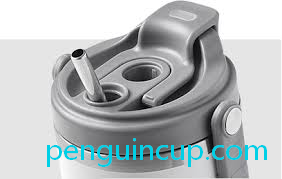
Pre-Conditioning: The Thermal Preparation Step
Every user expects a thermos to maintain beverage temperature for hours. This expectation overlooks a critical factor: the container's initial thermal state. The Thermos For Home And Outdoors performs optimally when its internal temperature aligns with the intended beverage. Brands like penguincup manufacture vessels capable of exceptional retention, yet user preparation influences final results. Does your filling routine account for the thermos's starting temperature?
The vacuum insulation layer within a thermos resists heat transfer effectively. This resistance works in both directions. A thermos at room temperature possesses stored thermal energy from its environment. Pouring hot liquid into this neutral vessel initiates energy exchange. The liquid transfers heat to the cooler walls and base. This process continues until thermal equilibrium occurs. The energy lost during this initial period reduces the final beverage temperature permanently.
Pre-heating addresses this energy transfer directly. Filling the thermos with hot water for several minutes raises its internal temperature. The vessel reaches a state closer to the beverage's temperature. When the user empties the pre-heating water and adds the actual hot liquid, minimal energy exchange occurs. The thermos maintains its elevated temperature profile, preserving the beverage's heat for extended periods. This procedure adds a few minutes to preparation but extends the functional retention window.
The same principle applies to cold beverages. A thermos at room temperature absorbs energy from cold liquids upon contact. This absorption warms the beverage slightly, compromising its intended coolness. Pre-cooling the thermos with cold water establishes a lower initial temperature. The vessel then accepts the cold beverage with minimal thermal exchange. The drink maintains its chilled state longer, providing sustained refreshment during outdoor activities or extended travel.
The scientific basis for this effect involves specific heat capacity. The thermos walls and base consist of materials with measurable heat capacity. These materials require energy to change temperature. Pre-conditioning supplies this energy before the beverage enters the vessel. The process essentially “charges” the thermos with the correct thermal state. This preparation reduces the workload on the vacuum insulation, allowing it to maintain temperature differences efficiently.
Practical applications demonstrate this principle clearly. A non-pre-heated thermos filled with morning coffee might deliver warm liquid at lunchtime. The pre-heated thermos filled with the same coffee maintains piping hot temperature throughout the same period. The difference manifests in user satisfaction. The thermal preparation step requires minimal effort yet yields substantial improvement in performance.
Pre-cooling proves equally valuable for outdoor enthusiasts. A thermos pre-cooled before filling with ice water maintains its chill during a long hike. The same beverage in a non-pre-cooled thermos warms noticeably faster. This temperature differential affects hydration enjoyment, particularly in warm climates. Users often attribute poor performance to the vessel's quality, while the actual cause lies in skipped preparation.
The materials used in thermos construction influence the pre-conditioning effect. Stainless steel, the predominant material, possesses relatively high thermal conductivity. This property means it responds quickly to pre-conditioning. The vessel adjusts its temperature rapidly when filled with hot or cold water. This responsiveness makes pre-conditioning highly effective with steel vessels. The user invests minimal time and achieves considerable benefit.
The volume of pre-conditioning fluid matters. A partially filled thermos for pre-heating or pre-cooling treats only the lower portion. The upper section remains at ambient temperature. Filling completely ensures uniform temperature distribution throughout the vessel. This thorough approach produces consistent results. Users should fill the thermos to capacity for the preparation step, then empty it completely before adding the intended beverage.
The duration of pre-conditioning affects the outcome. A brief rinse with hot water raises the wall temperature slightly. A five-minute soak allows heat penetration into the vessel's entire mass. This extended contact time produces a more stable initial state. The thermos holds its pre-conditioned temperature longer, providing a firmer foundation for the beverage's retention. Patience during preparation rewards the user with extended temperature performance.
Pre-conditioning also serves a secondary purpose. The hot water rinse removes residual odours from previous uses. This cleaning action improves the sensory experience of the beverage. The cold water rinse performs similar cleansing for chilled drinks. This combined benefit makes pre-conditioning a worthwhile habit, enhancing both performance and taste quality.
The energy efficiency of pre-conditioning deserves consideration. The energy used to heat the small volume of pre-heating water is minimal compared to the energy lost from the beverage without preparation. Pre-cooling uses water that would otherwise go to waste. These methods represent energy-neutral or energy-positive approaches to improving thermos performance. Users can feel confident that their preparation efforts align with practical efficiency.
The human element in thermos use benefits from pre-conditioning. Users who establish this routine develop consistent expectations for their beverage temperature. They avoid the disappointment of lukewarm coffee or tepid water. This reliability encourages regular use of the thermos for both home and outdoor activities. The habit becomes self-reinforcing, improving daily satisfaction.
Comparative testing confirms pre-conditioning effectiveness. Thermos flasks tested without preparation show temperature drops of several degrees within the first hour. Preparation reduces this initial drop dramatically. The insulation then maintains the remaining temperature differential throughout the retention period. This performance gap widens with longer storage times.
Pre-conditioning extends the practical utility of a thermos across seasons. Winter coffee stays hot through extended commutes. Summer iced tea remains cold during picnics. The same vessel adapts to different temperature requirements through this simple preparation step. This versatility justifies investing in a quality thermos.
For comprehensive product information and usage tips, explore https://www.penguincup.com/product to find detailed guidance on maximizing the performance of your Thermos For Home And Outdoors from penguincup.

 English
 Arabic
 French
 Spanish
 Portuguese
 Deutsch
 Turkish
 Dutch
Dutch
 Italiano
 Russian
 Romaian
 Greek
Greek
