


Socializing Your Bernedoodle Puppy During the Critical Window
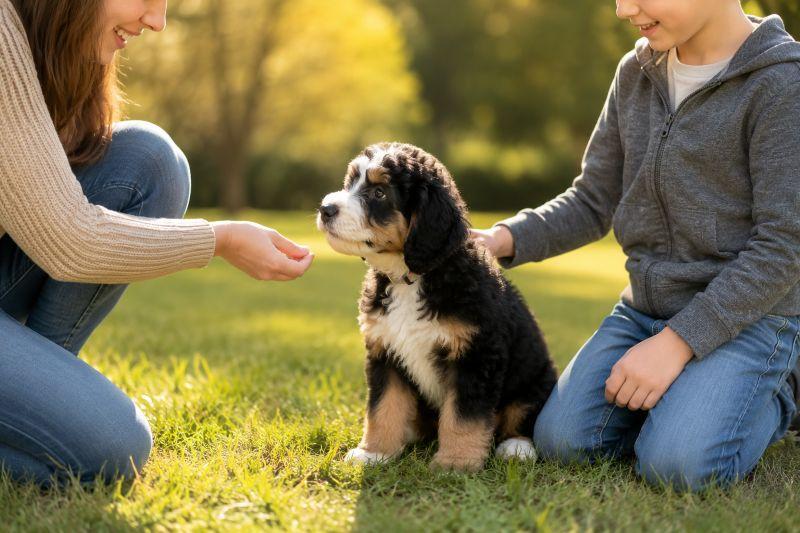
Bringing home a Bernedoodle puppy is an exciting milestone. From playful zoomies around the living room to quiet moments of bonding, every experience shapes your puppy's future behavior. One of the most important stages in a young dog's development is the socialization period, often called the critical window. During this time, puppies develop lifelong impressions about people, animals, places, sounds, and everyday situations.
For families looking for Bernedoodles puppies for sale in Flagstaff AZ, understanding proper socialization is just as important as choosing a healthy puppy. A well-socialized Bernedoodle is more likely to become a confident, adaptable, and affectionate companion who enjoys family adventures, outdoor activities, and interactions with new people.
At Doodling Pups, LLC, early social development is recognized as one of the foundations of raising happy, well-adjusted puppies that transition successfully into their forever homes.
Understanding the Critical Socialization Window
The critical socialization window generally occurs between 3 and 16 weeks of age. During this developmental stage, puppies naturally absorb new experiences with greater curiosity than fear.
Positive experiences during this period help create dogs that remain calm and confident throughout adulthood. On the other hand, limited exposure or frightening encounters may contribute to anxiety, fearfulness, or behavioral challenges later in life.
Because many puppies go to their new homes around eight weeks of age, breeders and new owners both play important roles in completing this essential stage of development.
Why Socialization Matters for Bernedoodles
Bernedoodles combine the intelligence of the Poodle with the loyal, gentle temperament of the Bernese Mountain Dog. While they are naturally friendly, their personalities still depend heavily on early life experiences.
Proper socialization helps your Bernedoodle learn how to:
- Meet strangers calmly
- Play appropriately with other dogs
- Adapt to different environments
- Accept routine grooming
- Ride comfortably in vehicles
- Feel confident during veterinary visits
- Handle household noises without fear
Without these positive experiences, even naturally friendly dogs can become timid or overly cautious.
What Proper Socialization Really Means
Many people believe socialization simply means letting puppies meet lots of people. In reality, quality matters much more than quantity.
Proper socialization includes exposing your puppy to new situations while ensuring each experience remains positive and controlled.
Examples include:
- Different flooring surfaces
- Children of various ages
- Adults wearing hats or sunglasses
- Wheelchairs and bicycles
- Umbrellas
- Vacuum cleaners
- Lawn equipment
- City traffic
- Hiking trails
- Different weather conditions
- Various sounds and smells
The goal is to teach your puppy that unfamiliar experiences are normal parts of everyday life.
Early Socialization Starts with Responsible Breeders
The first eight weeks are incredibly important because breeders introduce puppies to the world long before they join their new families.
Trusted breeders focus on early neurological stimulation, safe handling, environmental enrichment, and gradual exposure to everyday household life.
These activities may include:
Gentle Daily Handling
Regular interaction with people teaches puppies that human contact is safe and enjoyable.
Household Sounds
Normal sounds like televisions, dishwashers, washing machines, and conversations become familiar instead of frightening.
New Textures
Walking across tile, carpet, grass, wood floors, and rubber mats builds confidence and coordination.
Age-Appropriate Play
Playing with littermates teaches valuable communication skills, bite inhibition, and healthy boundaries.
These early experiences provide an excellent foundation for continued learning after adoption.
Building Confidence After Bringing Your Puppy Home
The socialization process does not end when your puppy arrives home.
Instead, it becomes your responsibility to continue introducing positive experiences every week.
Invite Friendly Visitors
Meeting people of different ages, appearances, and voices helps your puppy become comfortable with strangers.
Ask visitors to remain calm and allow your puppy to approach at its own pace.
Reward every successful interaction with praise and treats.
Explore New Environments
Once your veterinarian approves, safely introduce your puppy to:
- Parks
- Outdoor shopping areas
- Pet-friendly stores
- Quiet neighborhoods
- Hiking paths
- Downtown sidewalks
Flagstaff offers numerous beautiful walking areas where puppies can safely experience different sights, sounds, and environments while remaining under your supervision.
Positive Car Rides
Many dogs only ride in vehicles when visiting the veterinarian.
Instead, create positive associations by taking short trips that end somewhere enjoyable, such as visiting friends or relaxing in a quiet park.
Introduce Grooming Early
Bernedoodles require regular grooming throughout their lives.
Practice:
- Brushing
- Touching paws
- Looking inside ears
- Opening the mouth gently
- Nail handling
Keeping sessions short and rewarding builds lifelong comfort with grooming routines.
Socializing with Other Dogs Safely
Meeting other dogs is an important part of development, but timing matters.
Until vaccinations are complete, avoid crowded dog parks where disease exposure may be higher.
Instead, consider:
Vaccinated Family Dogs
Friendly adult dogs with reliable temperaments often make excellent teachers.
Puppy Socialization Classes
Structured classes supervised by experienced trainers provide safe opportunities for learning.
Controlled Playdates
Invite healthy puppies with similar vaccination schedules for supervised play sessions.
Positive interactions teach communication skills that help prevent future behavioral problems.
Helping Your Puppy Feel Comfortable Around Children
Bernedoodles often make wonderful family companions, but children should also learn how to interact appropriately.
Teach children to:
- Approach calmly
- Avoid sudden grabbing
- Speak softly
- Respect resting puppies
- Never disturb puppies while eating
Likewise, supervise every interaction to ensure both the puppy and child enjoy the experience.
These habits encourage mutual trust and safer lifelong relationships.
Common Socialization Mistakes to Avoid
Even well-meaning owners can unintentionally create setbacks.
Moving Too Quickly
Introducing too many new experiences in one day can overwhelm your puppy.
Instead, focus on one or two positive experiences daily.
Forcing Interactions
Never push a frightened puppy toward unfamiliar people or animals.
Allow curiosity to develop naturally while rewarding calm behavior.
Skipping Ongoing Practice
Confidence develops through repetition.
Continue exposing your Bernedoodle to new environments well beyond the first few months.
Ignoring Fear Signals
Signs of stress include:
- Tail tucked
- Trembling
- Excessive yawning
- Lip licking
- Hiding
- Refusing treats
If these appear, reduce the intensity of the experience and allow your puppy to recover.
A Real-World Example of Successful Socialization
One Bernedoodle owner shared how they began introducing their eight-week-old puppy to different environments gradually over several weeks.
Rather than overwhelming the puppy with crowded locations, they started with quiet neighborhood walks, invited friends to visit the home, practiced short car rides, and attended puppy socialization classes after veterinary approval.
By six months, the puppy comfortably accompanied the family to outdoor cafés, local events, hiking trails, and routine grooming appointments with little hesitation.
This steady, positive approach illustrates how consistency often produces better long-term results than trying to expose puppies to everything at once.
Mental Stimulation Supports Social Development
Socialization involves more than meeting new people.
Bernedoodles are highly intelligent and benefit from activities that challenge their minds.
Excellent enrichment options include:
- Puzzle toys
- Food-dispensing games
- Basic obedience training
- Hide-and-seek
- Short scent games
- Beginner agility obstacles
Mental exercise improves confidence while strengthening the bond between you and your puppy.
Why Bernedoodles Thrive in Active Families
Bernedoodles often enjoy participating in everyday family life.
Whether exploring Flagstaff's scenic outdoor spaces, joining weekend adventures, or relaxing at home, these dogs generally appreciate regular interaction and companionship.
Their intelligence and eagerness to learn make early training especially rewarding when combined with thoughtful socialization.
Families who invest time during the critical developmental window often enjoy dogs that are adaptable, polite, and comfortable in a wide variety of situations.
Choosing a Responsible Breeder Makes a Difference
Healthy social development begins long before adoption.
Responsible breeders prioritize:
- Health testing
- Proper nutrition
- Clean living conditions
- Early handling
- Age-appropriate enrichment
- Veterinary care
- Temperament-focused breeding
These practices contribute to raising puppies that are physically healthy and emotionally prepared for life with their new families.
When looking for Bernedoodles puppies for sale in Flagstaff AZ, selecting a breeder who values both health and early socialization helps set your puppy up for long-term success.
Doodling Pups, LLC is committed to providing puppies that receive thoughtful early care, proper social experiences, and a nurturing start before joining their forever families.
Final Thoughts
The critical socialization window represents one of the greatest opportunities to influence your Bernedoodle's lifelong behavior. Positive, gradual exposure to people, environments, sounds, and experiences helps create a confident companion who adapts well to new situations.
By continuing the early foundation established by a responsible breeder, families can raise a Bernedoodle that enjoys meeting new friends, exploring new places, and participating fully in everyday life. Patience, consistency, and positive reinforcement remain the keys to helping your puppy grow into the loving, dependable companion your family has been hoping for.

 English
 Arabic
 French
 Spanish
 Portuguese
 Deutsch
 Dutch
Dutch
 Italiano
 Russian
 Romaian
 Portuguese (Brazil)
 Greek
Greek
