


Security Innovations Built Into Today's Sliding Door Philippines Options
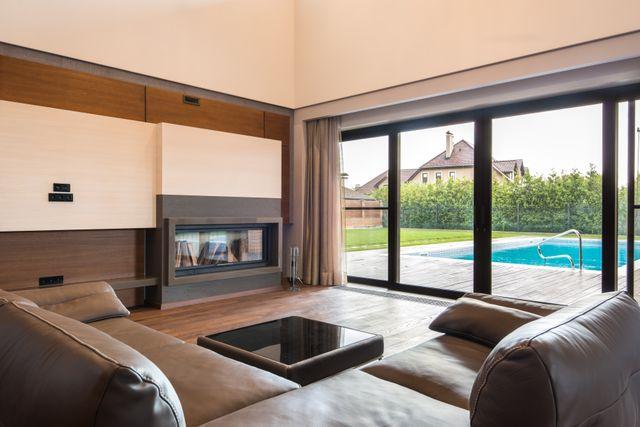
Nowadays, modern Sliding Door Philippines systems have evolved to meet elevated safety standards through advanced security features. These innovations—ranging from reinforced frames to smart integration—address both physical threats and environmental challenges. For Filipino homeowners, understanding these advancements is crucial for selecting sliding doors that combine protection with practical design.
Multi-Point Locking Systems
Multi-point locking technology has become a cornerstone of sliding door security. Unlike traditional single-latch systems, these mechanisms engage multiple locking points along the door’s vertical axis when activated.
How They Improve Security
By distributing locking pressure across multiple contact points, these systems resist forced entry attempts using leverage or impact tools. This design is particularly effective for doors facing streets or open areas where vulnerability increases.
Weather Resistance Benefits
Beyond security, multi-point locks enhance climate resilience. The dispersed pressure maintains door alignment during typhoon conditions, minimizing wind damage and water infiltration through gaps.
Reinforced Aluminum Frames
The structural integrity of sliding doors depends heavily on frame materials. Modern solutions use reinforced aluminum alloys engineered to withstand physical impacts and environmental stressors.
Material Advantages
Manufacturers incorporate steel reinforcements within aluminum profiles to create hybrid frames that remain lightweight yet durable. This combination prevents warping from temperature fluctuations and resists corrosion in humid climates.
Longevity Considerations
Reinforced frames maintain dimensional stability over decades, ensuring consistent performance of locking mechanisms. This durability reduces maintenance needs in high-exposure installations like coastal properties or flood-prone locations.
Laminated Safety Glass
Large glass panels remain popular for natural light optimization, but security concerns surrounding shattering risks have driven innovation in glazing technology. Laminated glass addresses these worries through layered construction.
Construction and Protection
Laminated glass consists of two glass sheets bonded by a transparent polyvinyl butyral (PVB) interlayer. This interlayer holds fragments together during impact, delaying unauthorized access while minimizing injury risks from broken shards.
Functional Benefits
The interlayer also reduces noise transmission by 8–12 decibels compared to standard glass, making laminated panels ideal for urban environments. UV filtering properties help prevent furniture fading, offering practical advantages beyond safety.
Smart Technology Integrations
Automation has expanded security capabilities through networked systems that monitor and control access remotely. Smart sliding door solutions incorporate features tailored to modern safety expectations.
Remote Access and Monitoring
Keyless entry systems with smartphone integration allow real-time lock/unlock functionality, activity logs, and temporary access codes for visitors. This flexibility benefits rental property owners or households with frequent guests.
Sensor-Driven Security
Embedded motion sensors detect tampering attempts, triggering audible alarms and mobile alerts. When integrated with home security networks, these systems provide layered defense mechanisms against intrusion.
Cylinder Lock Advancements
The lock cylinder remains a critical vulnerability point during break-ins. Modern designs counterpick, drilling, and bumping techniques through specialized mechanical features.
Anti-Pick Mechanisms
High-security cylinders employ serrated or spool pins that disrupt traditional picking tools. Anti-pick plates create false feedback signals, increasing the time and skill required for lock manipulation. This delay often deters opportunistic criminals.
Philippine Security Standards
Local building codes recommend minimum security ratings (like EN 1303 compliance) for residential installations. Homeowners should verify that chosen locks meet these benchmarks for certified protection levels.
Relevant Accreditation or Service Documentation Ratings
Understanding industry-standard classifications helps homeowners select appropriate products based on regional risk factors.
Forced Entry Resistance
The EN 1627 rating system classifies doors by resistance levels: Grade 1 withstands 3 minutes of attack, while Grade 3 resists over 10 minutes. Filipino urban residences typically require Grade 2 (5–8 minutes) for balanced protection.
Climate-Specific Selections
Coastal properties benefit from combined classifications like EN 12207 air/water leakage ratings alongside forced entry resistance. Powder-coated aluminum frames paired with RC3-level locks offer comprehensive durability in corrosive environments.
Maintenance for Security Performance
Proper upkeep ensures long-term effectiveness of security features, preserving both safety and energy efficiency.
Lubrication Protocols
Lubricating sliding tracks every six months prevents sticking that could compromise quick operation during emergencies. Silicone-based lubricants work best without attracting dust buildup.
Hardware Inspections
Quarterly checks of locking mechanisms and cylinder functions identify wear before security compromises arise. Adjustments to misaligned doors maintain multi-point lock effectiveness.
Key Takeaway
Modern Sliding Door Philippines systems combine advanced materials and innovative design to meet evolving security demands. Features like multi-point locking mechanisms, reinforced frames, and integrated smart technology work together to enhance residential protection while maintaining practical functionality. Homeowners should evaluate these elements when selecting sliding doors for safety and durability.

 English
 Arabic
 French
 Spanish
 Portuguese
 Deutsch
 Turkish
 Dutch
Dutch
 Russian
 Romaian
 Portuguese (Brazil)
 Greek
Greek
