


Custom Embroidery Digitizing: Complete Guide to High-Quality Stitch-Ready Designs
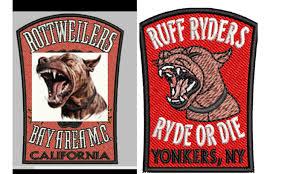
Custom Embroidery Digitizing Explained for Better Embroidery Results
Custom embroidery digitizing is the process of converting a logo, artwork, or text into a digital embroidery file that an embroidery machine can read and stitch accurately. Unlike simple image conversion, digitizing requires technical planning, stitch mapping, and an understanding of fabric behavior. It is a critical step in ensuring that embroidered designs come out clean, professional, and durable.
Many businesses, apparel brands, and designers struggle with embroidery quality issues such as uneven stitching, distorted logos, thread breaks, or unclear designs. Most of these problems are not caused by the embroidery machine itself but by poor digitizing. Understanding custom embroidery digitizing helps solve these issues at the root level.
What is Custom Embroidery Digitizing?
Custom embroidery digitizing is the process of translating artwork into a stitch file format such as DST, PES, EXP, or JEF. This file contains detailed instructions for the embroidery machine, including:
- Stitch type (satin, fill, running stitch)
- Stitch direction
- Stitch density
- Thread color sequence
- Underlay structure
Unlike standard image files (JPG or PNG), embroidery machines cannot read visual images directly. They rely on digitized files that guide every needle movement.
A professional digitizer does not simply trace an image. Instead, they analyze the design and decide how each part should be stitched for durability and appearance.
Why Custom Embroidery Digitizing is Important
Poor digitizing leads to production issues that increase costs and waste materials. High-quality digitizing ensures:
1. Clean and Professional Output
Well-digitized files produce smooth edges, proper alignment, and accurate details.
2. Reduced Machine Errors
Correct stitch settings reduce thread breaks, machine jams, and production delays.
3. Fabric Compatibility
Different fabrics like cotton, polyester, denim, or caps require different digitizing approaches. Custom digitizing adjusts stitch density and underlay accordingly.
4. Cost Efficiency
Good digitizing reduces rework, saving time, thread, and production costs.
Common Problems in Embroidery Without Proper Digitizing
Many embroidery issues come from incorrect or automated digitizing tools. Some common problems include:
Distorted Designs
If stitch paths are not properly planned, logos may stretch or shrink during embroidery.
Thread Breakage
Incorrect density or poor stitch direction can cause frequent thread breaks.
Uneven Stitching
Lack of underlay or incorrect stitch types leads to uneven surfaces.
Poor Small Text Readability
Small letters often become unreadable if not digitized with proper font and stitch technique.
Fabric Puckering
Excessive stitch density without compensation causes fabric to wrinkle.
Custom embroidery digitizing solves these problems by manually optimizing each design element.
How Custom Embroidery Digitizing Works
The process involves several technical steps:
1. Artwork Analysis
The digitizer studies the design, identifying shapes, colors, and complexity.
2. Stitch Planning
Each section of the design is assigned a stitch type based on size and detail.
3. Path Creation
The order of stitching is planned to minimize jumps and trims.
4. Density Adjustment
Stitch density is adjusted according to fabric type and design size.
5. Underlay Setup
Underlay stitches are added to stabilize fabric before final stitching.
6. File Export
The final file is saved in machine-compatible format (DST, PES, etc.).
This process ensures the design runs smoothly on embroidery machines without errors.
Benefits of Custom Embroidery Digitizing
High Accuracy
Custom digitizing ensures that the final embroidery matches the original design as closely as possible.
Scalability
Digitized files can be resized for different products like caps, jackets, or bags without losing quality.
Brand Consistency
Businesses can maintain consistent logo appearance across all products.
Better Durability
Proper stitch structure improves the durability of embroidered items.
Where Custom Embroidery Digitizing is Used
Custom embroidery digitizing is widely used in:
- Corporate branding (logos on uniforms)
- Sports teams (jerseys and caps)
- Fashion industry (custom apparel designs)
- Promotional products (bags, hats, jackets)
- Personalized gifts (names and monograms)
Each use case requires different digitizing techniques depending on fabric type and design complexity.
Challenges in Custom Embroidery Digitizing
Despite its benefits, digitizing requires skill and experience. Some challenges include:
Complex Artwork Conversion
Highly detailed images may need simplification without losing identity.
Fabric Variation Handling
Different materials behave differently under stitching tension.
Small Detail Management
Maintaining clarity in small text and fine details is difficult.
Machine Compatibility
Each embroidery machine may require different file formats and settings.
Experienced digitizers overcome these challenges using manual techniques and software expertise.
How to Choose Quality Custom Embroidery Digitizing Services
When selecting a digitizing service, consider the following:
- Manual digitizing (not auto-conversion tools)
- Experience with different fabrics
- Fast turnaround time
- Revision support
- Sample work availability
High-quality digitizing providers focus on precision rather than speed alone.
Future of Custom Embroidery Digitizing
With advancements in embroidery technology, digitizing is becoming more precise and software-assisted. However, human expertise remains essential because machines cannot fully understand fabric behavior and design intent.
AI tools are being used to speed up basic conversions, but professional digitizers still play a key role in final optimization.
Conclusion
Custom embroidery digitizing is a foundational step in producing high-quality embroidered products. It directly impacts stitch accuracy, fabric compatibility, and overall design appearance. Poor digitizing leads to production issues, while well-executed digitizing ensures clean, durable, and professional embroidery results.
For businesses and designers, investing in proper custom embroidery digitizing is essential for maintaining quality standards and reducing production errors. It bridges the gap between digital artwork and real-world stitched products, making it a critical part of the embroidery workflow.

 English
 Arabic
 French
 Spanish
 Portuguese
 Deutsch
 Turkish
 Dutch
Dutch
 Italiano
 Russian
 Romaian
 Portuguese (Brazil)
