


How Small Businesses in Boise, ID Should Prepare for Winter Storm Disruptions
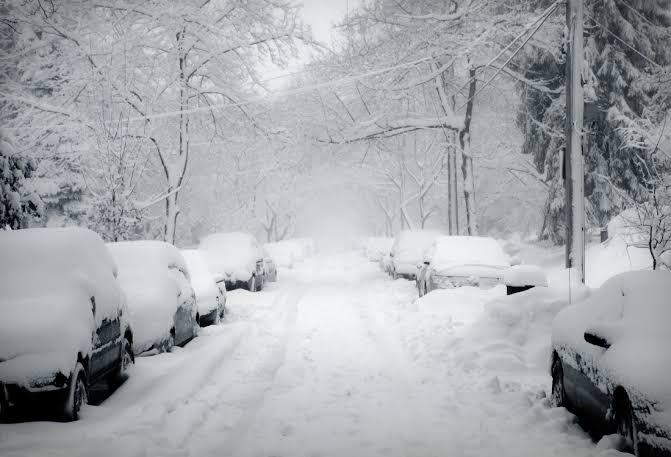
Winter weather in Boise, Idaho can create serious challenges for small businesses. While the city does not experience the same level of extreme snowfall as some mountain communities, winter storms can still disrupt daily operations through icy roads, hazardous walking conditions, power interruptions, delayed deliveries, employee absences, and reduced customer traffic. For local business owners, preparing before the first major storm arrives can make the difference between a short inconvenience and a costly operational setback.
Small businesses often operate with limited staff, tight budgets, and less backup capacity compared with larger companies. A single storm can affect employees trying to reach work, customers traveling to storefronts, suppliers delivering products, and businesses that depend on consistent internet or utility services. Developing a winter storm preparedness plan allows Boise business owners to protect employees, maintain customer relationships, reduce financial losses, and continue serving the community even during difficult weather conditions.
Understanding Winter Storm Risks for Boise Businesses
Boise’s winter conditions can vary significantly from year to year. The region typically experiences cold temperatures, occasional snowfall, freezing conditions, and periods where melting snow refreezes overnight and creates dangerous ice. Unlike heavy mountain snow events, many Boise winter disruptions come from a combination of moderate snowfall, freezing temperatures, and transportation hazards.
Business owners should understand that even a few inches of snow can create operational problems. Roads may become slower to navigate, parking areas may become unsafe, and employees may have difficulty commuting. Ice is often a bigger concern than snow because it can form quickly on sidewalks, entrances, stairs, and parking lots. A business that prepares only for snowfall may overlook some of the most common winter safety risks.
Monitoring weather conditions should become part of regular winter operations. Businesses can establish clear procedures for checking forecasts, evaluating road conditions, and deciding when normal operations need to be adjusted. Build a simple decision matrix for your team: when the winter storm warning Boise page shows an active warning, automatically shift to remote operations and send customers an email about modified hours.
Create Employee Winter Safety Policies Before Storms Arrive
Employee safety should be the first priority when preparing for winter disruptions. Small businesses should create written winter weather policies that explain expectations before, during, and after storms. Employees should know how decisions are made regarding delayed openings, remote work, early closures, and emergency situations.
A strong winter safety policy should include guidance about commuting conditions. Employees should never feel pressured to drive through dangerous weather conditions simply because a business remains open. Managers should establish communication channels where employees can report unsafe travel conditions or request schedule adjustments when necessary.
Businesses should also train employees on workplace winter hazards. Staff members who clear entrances, move outdoor equipment, or handle deliveries should understand proper safety practices. Slips, falls, cold exposure, and injuries from lifting snow-covered materials can all create workplace risks.
For employees working outside, businesses should consider additional protections such as appropriate footwear requirements, warm clothing recommendations, scheduled breaks indoors, and procedures for recognizing signs of cold-related injuries. Even short outdoor tasks can become dangerous when temperatures drop and surfaces become icy.
Develop Clear Remote Work and Emergency Operation Protocols
Remote work can be one of the most effective solutions for maintaining business continuity during Boise winter storms. However, remote operations should not be created during an emergency. Businesses need a plan before bad weather affects normal routines.
Owners should identify which employees can work remotely and what tools they need to remain productive. This may include laptops, cloud-based software, communication platforms, secure access systems, and updated contact information. Employees should know how to transition from in-office work to remote work without confusion.
A remote work protocol should answer important questions:
Who decides when employees work remotely? How will customers be notified? Which services must continue operating? How will employees communicate with managers? What happens if internet or power issues affect remote workers?
Small businesses should also identify positions that cannot easily transition online. Retail workers, restaurant employees, repair technicians, and warehouse staff may require different solutions. For these roles, businesses can prepare backup schedules, delayed opening procedures, or reduced staffing plans.
Maintain Inventory and Supply Chain Buffers
Winter storms can interrupt supply chains even when local conditions seem manageable. Delivery delays, transportation restrictions, and supplier shortages can affect businesses that depend on regular inventory shipments.
Boise small businesses should evaluate their most important supplies and determine how much backup inventory they need during winter months. A restaurant may need additional food supplies, a retail store may need extra popular products, and an office may need backup cleaning materials or emergency equipment.
Businesses do not need to overstock everything, but they should identify critical items that could stop operations if unavailable. Creating a winter inventory buffer can reduce stress when storms delay deliveries for several days.
Business owners should also communicate with suppliers before winter conditions become severe. Ask vendors about their storm policies, delivery schedules, backup options, and emergency contacts. Understanding potential delays allows businesses to make better decisions before customers are affected.
Prepare Customer Communication Plans for Closures
Customers appreciate communication during unexpected disruptions. A business that closes suddenly without explanation may create frustration, while a business that provides clear updates can maintain customer trust.
Before winter arrives, businesses should prepare communication templates for weather-related announcements. These messages can explain delayed openings, temporary closures, modified services, delivery changes, or remote assistance options.
Customer communication channels may include:
Website updates, email newsletters, social media posts, phone messages, online booking platforms, and automated customer notifications.
Businesses should also decide who is responsible for posting updates. During a storm, employees may already be managing operational challenges, so assigning communication responsibilities in advance prevents delays.
For businesses with physical locations, signage should also be considered. If customers arrive during unexpected closures, a clear message on the door explaining reopening plans or alternative service options can improve their experience.
Review Business Insurance Before Winter Weather Problems Occur
Insurance planning is an important part of winter storm preparation. Many small business owners assume their existing policies automatically cover every type of storm-related loss, but coverage details can vary significantly.
Business owners should review their commercial property insurance, business interruption coverage, equipment coverage, and liability protection before winter begins. Understanding what situations are covered can help businesses respond faster after damage occurs.
Business interruption insurance may help cover certain losses when a company cannot operate because of covered damage. However, requirements and exclusions differ between policies. Owners should speak with their insurance providers to understand how coverage applies to winter-related events.
Businesses should also document property conditions before storms occur. Photos of buildings, equipment, inventory, and outdoor areas can provide useful records if damage happens later. Maintaining updated documentation makes insurance claims easier to manage.
Reduce Slip-and-Fall Liability Around Storefronts
For Boise businesses with physical storefronts, snow and ice management is a major safety responsibility. Customers, employees, delivery drivers, and visitors may all face risks from slippery sidewalks, entrances, and parking areas.
Slip-and-fall incidents can result in medical expenses, legal claims, and damage to a business’s reputation. Business owners should create a consistent process for monitoring and addressing winter hazards.
This process may include regular inspections of walkways, prompt removal of snow and ice, proper placement of warning signs, and documentation of maintenance activities. Keeping records of when areas were inspected or treated can demonstrate that reasonable safety steps were taken.
Entrance areas deserve special attention because melting snow from customer footwear can create slippery indoor surfaces. Businesses should use appropriate floor mats, monitor high-traffic areas, and clean wet surfaces quickly.
Choose Reliable Snow Removal Contracts
Many Boise businesses rely on professional snow removal companies to maintain safe access during winter storms. A snow removal contract can provide peace of mind, but businesses should carefully review agreements before signing.
A good snow removal contract should clearly explain responsibilities, including when service begins, how quickly snow will be cleared, what areas are included, and how ice treatment is handled. Business owners should understand whether sidewalks, entrances, parking lots, loading areas, and emergency access routes are covered.
Timing is especially important. A contract that only provides service after snowfall ends may not meet the needs of businesses that must remain accessible during storms. Owners should discuss response times and priority levels before winter conditions become severe.
Businesses should also confirm that snow removal providers have appropriate equipment and insurance coverage. Choosing the cheapest option may create problems if a contractor cannot respond quickly during a major storm.
Create an Emergency Supplies Plan
Small businesses should maintain basic emergency supplies that support operations during winter disruptions. These supplies may include flashlights, batteries, first aid materials, ice melt, snow shovels, portable chargers, bottled water, and backup communication tools.
Businesses should also consider industry-specific needs. A medical office may need additional emergency materials, while a retail store may need extra packaging supplies if deliveries are delayed. Preparing supplies in advance prevents last-minute shortages during severe weather.
Train Employees and Test Your Winter Plan
A winter preparedness plan is only useful if employees understand how it works. Businesses should review procedures before winter begins and make sure employees know their responsibilities.
Managers can conduct short training sessions covering emergency communication, remote work procedures, customer updates, safety responsibilities, and storm response decisions. These discussions help prevent confusion when fast decisions are needed.
Businesses should also evaluate their plans after each winter event. Reviewing what worked and what caused problems allows companies to improve before the next storm arrives.
Building a More Resilient Boise Business Community
Winter storms are a normal part of operating a business in Boise, but they do not have to create unnecessary disruption. Small businesses that prepare early can protect employees, reduce liability risks, maintain customer confidence, and continue serving their communities during challenging weather.
The strongest winter preparedness strategies combine safety planning, flexible operations, reliable communication, inventory management, insurance awareness, and proactive property maintenance. By treating winter weather as a predictable business challenge rather than an unexpected emergency, Boise entrepreneurs can build stronger and more resilient companies.
Preparing before the storm arrives allows small businesses to focus less on reacting and more on continuing operations safely and effectively throughout the winter season.

 English
 Arabic
 French
 Spanish
 Portuguese
 Deutsch
 Turkish
 Dutch
Dutch
 Russian
 Romaian
 Portuguese (Brazil)
 Greek
Greek
