


Scrap Metal Recycling: A Smarter Way to Reduce Waste and Recover Valuable Resources
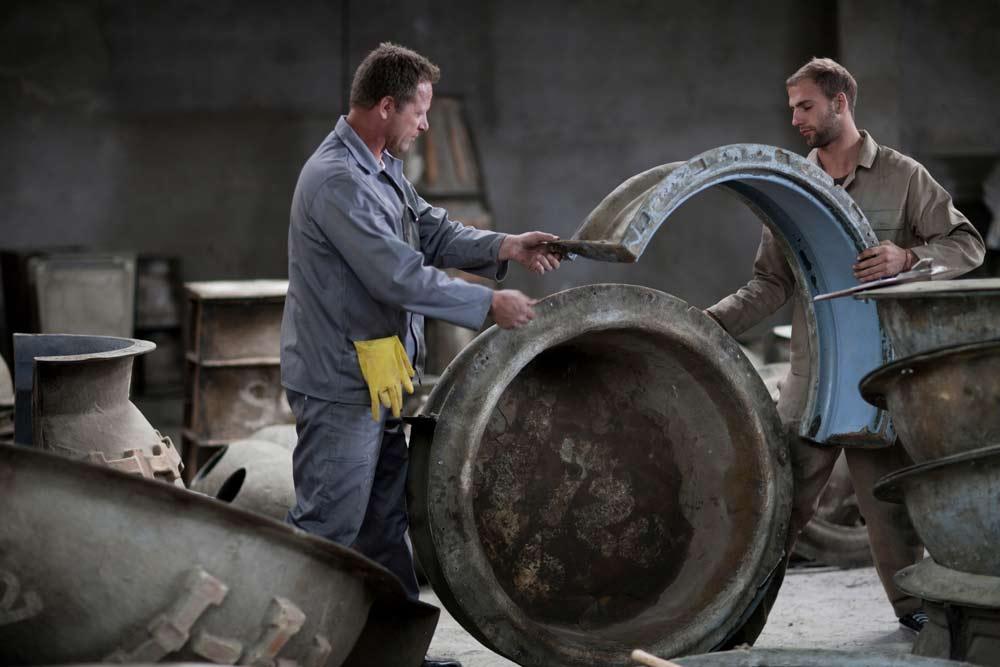
Every year, thousands of tonnes of metal products reach the end of their useful life. From old machinery and construction materials to discarded vehicles and household items, much of this metal can be recovered and reused instead of ending up in landfill. Scrap metal recycling plays an important role in protecting the environment, conserving natural resources, and supporting a more sustainable future.
For businesses, industries, and individuals, recycling unwanted metal is not only an environmentally responsible choice but also a practical way to recover value from unused materials. Professional recycling services help collect, process, and transform scrap metals into reusable resources that can support manufacturing industries worldwide.
Whether you have leftover industrial materials, outdated equipment, or general metal waste, choosing a reliable recycling solution can make waste management easier and more efficient.
What Is Scrap Metal Recycling and How Does It Work?
Scrap metal recycling is the process of collecting, sorting, processing, and reusing metal materials that are no longer needed. Instead of extracting new raw materials through mining, recycled metals can be processed and used again for manufacturing new products.
The recycling process usually involves several important steps:
- Collection: Scrap metal is gathered from businesses, construction sites, factories, and residential areas.
- Sorting: Different metals are separated, such as aluminium, copper, steel, brass, and stainless steel.
- Processing: Metals are cleaned, cut, shredded, or prepared for recycling.
- Melting and Manufacturing: Processed metals are melted and converted into new raw materials for production.
This efficient approach reduces waste while helping industries access high-quality recycled materials.
Why Is Scrap Metal Recycling Important?
Metal is one of the most valuable recyclable materials because it can often be reused multiple times without losing its strength or quality. Recycling metals provides significant environmental and economic benefits.
1. Reduces Environmental Impact
Mining and extracting new metals require large amounts of energy and natural resources. Recycling helps reduce the demand for mining activities, lowering environmental damage and greenhouse gas emissions.
By recycling unwanted metal products, companies and individuals contribute to cleaner surroundings and a healthier planet.
2. Conserves Natural Resources
Natural resources such as iron ore, copper, and aluminium are limited. Recovering and reusing existing metals helps preserve these valuable resources for future generations.
Scrap metal recycling allows industries to maintain production while reducing dependence on newly mined materials.
3. Saves Energy
Producing metals from recycled materials typically requires less energy compared to manufacturing metals from raw ores. This energy saving helps reduce overall production costs and supports sustainable industrial practices.
4. Creates Economic Benefits
The recycling industry supports jobs, local businesses, and manufacturing supply chains. Selling unwanted metal can also provide financial returns for businesses and individuals with recyclable materials.
Common Types of Scrap Metal That Can Be Recycled
Many different metal materials can be recovered through professional recycling services. Common examples include:
Ferrous Metals
Ferrous metals contain iron and are widely used in industrial applications. Examples include:
- Steel machinery
- Iron pipes
- Structural materials
- Old vehicles
- Construction scrap
These metals are highly recyclable and are commonly reused in manufacturing.
Non-Ferrous Metals
Non-ferrous metals do not contain iron and are often more valuable because of their properties. Examples include:
- Copper wiring
- Aluminium products
- Brass fittings
- Stainless steel
- Lead materials
Proper sorting of these materials ensures maximum recovery value.
Benefits of Choosing Professional Metal Recycling Services
Handling scrap metal independently can be challenging, especially for businesses managing large volumes of waste. Professional recyclers provide safe and efficient solutions for collecting and processing unwanted materials.
Key benefits include:
- Expert sorting and processing: Specialists identify different metal types to maximise recycling value.
- Safe waste handling: Proper equipment helps manage heavy and hazardous materials safely.
- Convenient collection options: Businesses can arrange efficient removal of unwanted metal.
- Better compliance: Professional recycling supports responsible waste management practices.
For industries that regularly generate metal waste, partnering with an experienced recycling provider can improve operational efficiency and reduce disposal costs.
How Businesses Can Improve Their Metal Recycling Practices
Companies can make their recycling processes more effective by implementing simple strategies:
Create a Dedicated Scrap Collection Area
Keeping different metals separated makes recycling faster and improves recovery rates.
Educate Employees
Staff training helps employees understand which materials can be recycled and how to handle scrap correctly.
Work With a Trusted Recycling Partner
A professional recycling company can provide tailored solutions based on the volume and type of metal waste your business produces.
The Future of Sustainable Metal Recovery
As industries continue focusing on sustainability, recycling will become increasingly important. Advances in recycling technology are improving efficiency, reducing waste, and making it easier to recover valuable materials.
From manufacturing and construction to automotive and engineering industries, recycled metals will continue to play a major role in supporting a circular economy.
Choosing scrap metal recycling is a simple step that can create long-term environmental and financial benefits.
Conclusion: Make Metal Waste Work for You
Old metal does not have to become useless waste. Through responsible recycling practices, unwanted materials can be transformed into valuable resources that support future production.
Whether you are a business owner, contractor, or individual with unused metal, working with a professional recycling provider ensures your materials are handled efficiently and sustainably. Scrap metal recycling helps protect natural resources, reduce landfill waste, and build a cleaner future for everyone.
Contact a trusted metal recycling specialist today to discover how your unwanted metal can be recovered and reused.

 English
 Arabic
 French
 Spanish
 Portuguese
 Deutsch
 Turkish
 Dutch
Dutch
 Russian
 Romaian
 Portuguese (Brazil)
 Greek
Greek
