Selecting the right UPVC valve is an important step in building an efficient and reliable piping system. Whether the application involves water treatment, irrigation, chemical processing, or industrial fluid handling, the performance of the valve directly affects system efficiency, maintenance requirements, and long-term operating costs. UPVC valves have become a preferred choice across many industries because they offer excellent corrosion resistance, lightweight construction, and dependable performance.
However, not every valve is suitable for every application. Understanding the key features to evaluate before making a purchase helps ensure the valve meets your operational requirements. Companies like Yukon Industries provide a wide range of industrial valve solutions designed to support reliable and efficient fluid control across various industries.
What Is a UPVC Valve?
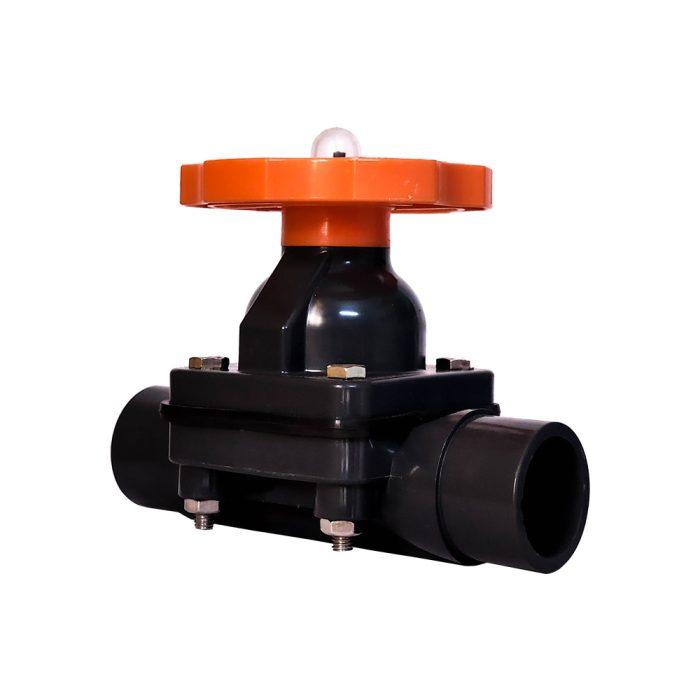
A UPVC valve is manufactured using Unplasticized Polyvinyl Chloride (UPVC), a rigid thermoplastic material known for its strength, chemical resistance, and durability. Unlike metal valves, UPVC valves do not rust or corrode, making them suitable for handling water, chemicals, and other non-abrasive fluids.
These valves are commonly used in:
- Water treatment plants
- Irrigation systems
- Chemical processing facilities
- Swimming pools
- Industrial piping networks
- Agriculture
- Food processing units
Their combination of durability and low maintenance makes them a practical choice for many fluid control applications.
Material Quality
One of the first features to consider is the quality of the UPVC material. High-grade material provides better mechanical strength, improved chemical resistance, and a longer service life.
A well-manufactured UPVC valve should offer:
- Excellent corrosion resistance
- UV resistance for outdoor installations
- Smooth internal surfaces
- High impact strength
- Reliable dimensional stability
Choosing quality materials reduces the likelihood of premature wear and replacement.
Chemical Compatibility
Different industrial processes involve various chemicals and fluids. Before selecting a valve, confirm that the valve material is compatible with the media being handled.
UPVC valves generally perform well with:
- Water
- Acids
- Alkalis
- Salt solutions
- Many industrial chemicals
However, they may not be suitable for certain solvents or fluids that exceed recommended operating conditions. Always review compatibility charts before installation.
Pressure Rating
Every valve is designed to operate within a specific pressure range.
Selecting a UPVC valve with the correct pressure rating helps:
- Prevent leakage
- Improve operational safety
- Maintain reliable flow control
- Extend service life
Always ensure the valve's pressure specifications match the requirements of your piping system.
Temperature Limits
Although UPVC performs well in many industrial environments, it has defined operating temperature limits.
For applications involving elevated temperatures, verify that the operating conditions remain within the manufacturer's recommended range. Operating beyond these limits can affect valve performance and reduce its lifespan.
Understanding temperature requirements helps prevent unnecessary equipment failure.
Valve Type
UPVC valves are available in several configurations designed for different flow control requirements.
Common options include:
- Ball Valves
- Butterfly Valves
- Diaphragm Valves
- Check Valves
- Foot Valves
- Union Ball Valves
Selecting the appropriate valve type depends on whether the application requires isolation, flow regulation, or backflow prevention.
Connection Style
Proper connection design simplifies installation and future maintenance.
Popular connection types include:
- Threaded Ends
- Socket Ends
- Flanged Connections
- Union Ends
The connection should match the existing piping system to ensure secure installation and leak-free operation.
Flow Performance
An efficient UPVC valve should provide smooth flow with minimal pressure loss.
Features that improve flow performance include:
- Full-port design
- Smooth internal surfaces
- Accurate machining
- Reliable sealing
Reduced flow resistance contributes to better overall system efficiency.
Sealing Quality
Leak prevention is one of the most important functions of any valve.
A quality valve should include durable sealing components that provide:
- Tight shut-off
- Consistent performance
- Low leakage risk
- Long operational life
High-quality seals also reduce maintenance requirements over time.
Ease of Installation and Maintenance
Selecting a valve that is easy to install and service can significantly reduce maintenance costs.
Features to look for include:
- Simple installation design
- Easy disassembly
- Replaceable sealing components
- Accessible operating mechanism
Routine inspection and maintenance become much easier when the valve is designed with serviceability in mind.
Durability and Service Life
Industrial environments often expose valves to continuous operation and challenging conditions.
A durable UPVC valve should resist:
- Corrosion
- Scale formation
- Chemical attack
- Moisture
- Weather exposure
Investing in a high-quality valve helps reduce replacement frequency and improves long-term operating efficiency.
Compliance with Industry Standards
Before purchasing, verify that the valve complies with recognized manufacturing and quality standards. Products manufactured under strict quality control processes generally provide more reliable performance and consistent dimensional accuracy.
Working with an established manufacturer also provides greater confidence in product quality and after-sales support.
Applications of UPVC Valves
Because of their excellent chemical resistance and lightweight design, UPVC valves are used across many industries, including:
- Water treatment and distribution
- Irrigation systems
- Chemical processing
- Agriculture
- Swimming pool filtration
- Industrial utility pipelines
- Pharmaceutical facilities
- Food and beverage processing
- Aquaculture
- Wastewater treatment
Their versatility makes them suitable for both commercial and industrial installations.
Why Choose Yukon Industries?
Yukon Industries is a trusted manufacturer and supplier of industrial valve solutions, offering products designed for dependable performance and long-term reliability. The company provides a comprehensive range of UPVC valves and related flow control products suitable for water treatment, irrigation, chemical handling, and industrial piping systems.
With a focus on quality manufacturing, precision engineering, and customer satisfaction, Yukon Industries delivers valve solutions that meet the demands of modern industrial applications. Its commitment to consistent product quality and dependable performance has made it a preferred choice for customers seeking reliable fluid control solutions.
Conclusion
Choosing the right UPVC valve requires careful evaluation of several factors, including material quality, chemical compatibility, pressure rating, temperature limits, valve type, sealing performance, connection style, and maintenance requirements. Making an informed selection helps improve system efficiency, reduce downtime, and extend equipment life.
By partnering with an experienced manufacturer like Yukon Industries, businesses can access high-quality UPVC valve solutions designed to deliver reliable performance across a wide range of industrial and commercial applications. Investing in the right valve today contributes to safer, more efficient, and more cost-effective piping systems for years to come.




 English
 Arabic
 French
 Portuguese
 Deutsch
 Turkish
 Dutch
Dutch
 Italiano
 Russian
 Romaian
 Portuguese (Brazil)
 Greek
Greek
