


Liver Function Test: Purpose, Types, Procedure, Results & Benefits
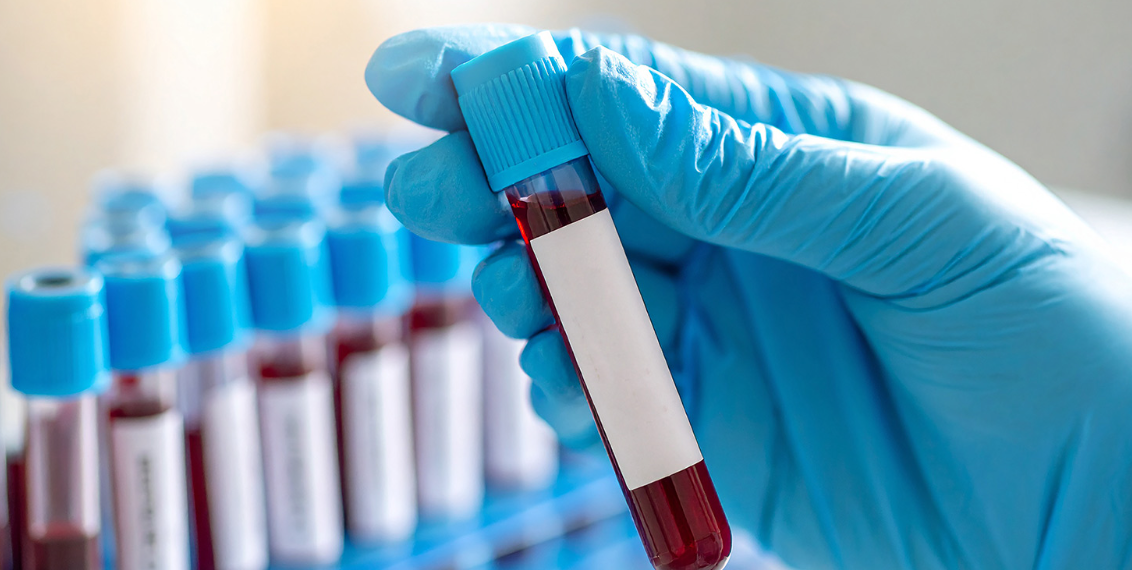
A Liver Function Test (LFT) is a group of blood tests that evaluates how well your liver is working. It measures different enzymes, proteins, and substances in the blood to help assess liver health and detect liver-related conditions.
This article explains the purpose of a Liver Function Test, its components, procedure, preparation, results, and benefits.
What Is a Liver Function Test?
A Liver Function Test is a blood test panel used to assess the health and function of the liver. It helps healthcare providers identify liver damage, inflammation, or other liver disorders.
The test measures several important markers that reflect how effectively the liver performs its functions.
What Does a Liver Function Test Include?
A Liver Function Test commonly includes:
- Alanine Aminotransferase (ALT)
- Aspartate Aminotransferase (AST)
- Alkaline Phosphatase (ALP)
- Gamma-Glutamyl Transferase (GGT)
- Total Bilirubin
- Direct Bilirubin
- Total Protein
- Albumin
- Globulin
- Albumin/Globulin (A/G) Ratio
The exact parameters may vary slightly between laboratories.
Why Is a Liver Function Test Done?
A doctor may recommend an LFT to:
- Evaluate liver health
- Detect liver disease
- Investigate abnormal liver enzyme levels
- Monitor ongoing liver conditions
- Assess the effect of certain medicines on the liver
- Monitor recovery during treatment
Who Should Get a Liver Function Test?
A Liver Function Test may be recommended for people who have:
- Persistent fatigue
- Yellowing of the skin or eyes (jaundice)
- Dark urine
- Abdominal pain
- Swelling in the abdomen
- Nausea or vomiting
- Loss of appetite
- Heavy alcohol use
- Existing liver disease
- Regular use of medicines that may affect the liver
Symptoms That May Require an LFT
Common symptoms include:
- Jaundice
- Fatigue
- Weakness
- Abdominal pain
- Nausea
- Vomiting
- Dark-coloured urine
- Pale stools
- Loss of appetite
- Itchy skin
How Is a Liver Function Test Performed?
The procedure is simple.
- A healthcare professional collects a blood sample from a vein in your arm.
- The sample is sent to the laboratory.
- The laboratory analyses the different liver markers.
- Reports are usually available within 24 hours, depending on the laboratory.
Many diagnostic centres also offer home sample collection.
Preparation for a Liver Function Test
Preparation may include:
- Fasting may be recommended in some cases.
- Drink enough water unless advised otherwise.
- Inform your healthcare provider about any medicines or supplements you take.
- Follow the preparation instructions provided by your laboratory.
Understanding Liver Function Test Results
Only a qualified healthcare provider should interpret your results.
Generally:
- Normal values suggest that the tested liver markers are within the expected range.
- Abnormal values may indicate liver inflammation, liver damage, bile duct problems, or other medical conditions.
Further tests may be recommended if results are outside the normal range.
Benefits of a Liver Function Test
A Liver Function Test helps:
- Assess overall liver health
- Detect liver disease early
- Monitor chronic liver conditions
- Evaluate treatment response
- Identify liver injury caused by medicines
- Support timely medical decision-making
Factors That Can Affect LFT Results
Several factors may influence test results, including:
- Certain medications
- Alcohol consumption
- Obesity
- Viral infections
- Pregnancy
- Existing medical conditions
Always discuss your results with your doctor.
When Should You Consult a Doctor?
Consult a healthcare provider if you experience:
- Persistent jaundice
- Severe abdominal pain
- Unexplained fatigue
- Dark urine
- Pale stools
- Ongoing nausea or vomiting
- Swelling in the abdomen
Early evaluation can help identify liver problems and support timely treatment.
Conclusion
A Liver Function Test is an important blood test that evaluates liver health by measuring different enzymes and proteins. It helps detect liver disease, monitor ongoing conditions, and assess treatment effectiveness. If you have symptoms of liver problems or are at increased risk of liver disease, consult your healthcare provider to determine whether a Liver Function Test is appropriate for you.

 English
 French
 Spanish
 Portuguese
 Deutsch
 Turkish
 Dutch
Dutch
 Italiano
 Russian
 Romaian
 Portuguese (Brazil)
 Greek
Greek
