


How to Choose The Right Certified Yoga Instructor Course For Your Yoga Journey
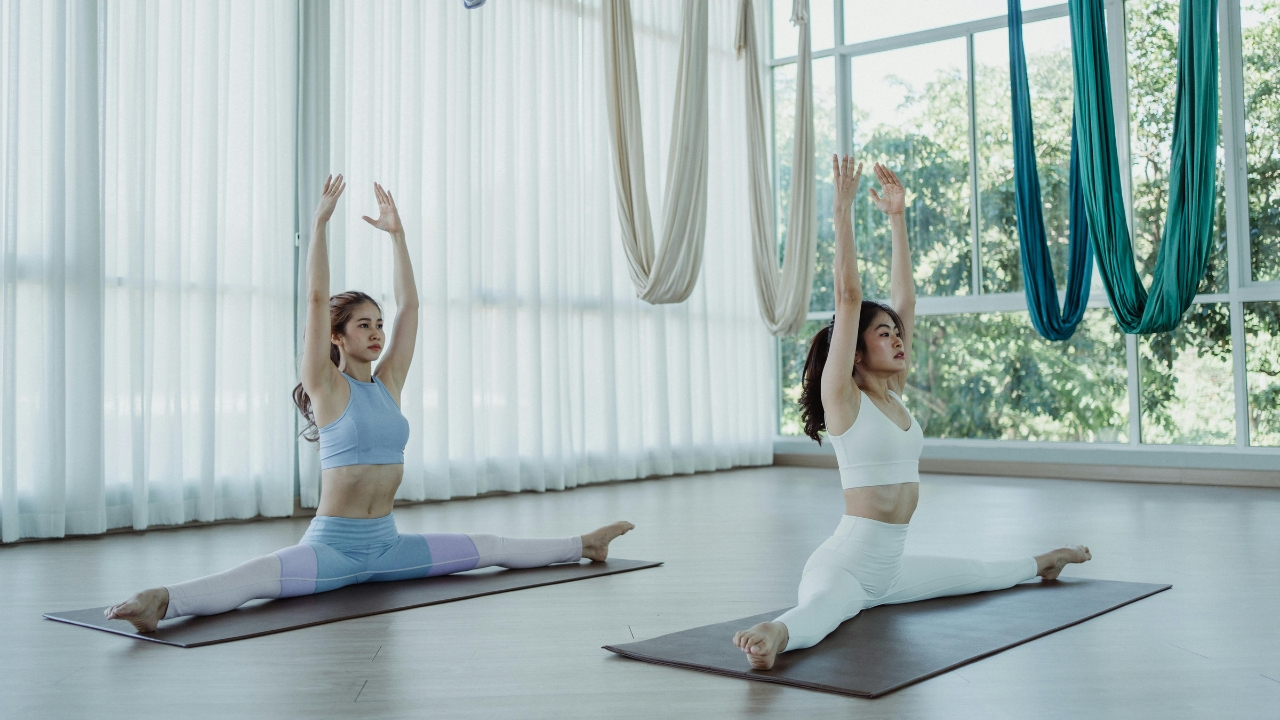
Many people feel drawn to yoga because it brings calm, strength, and balance into life. However, when it comes to turning this interest into a teaching path, confusion often starts.
A large number of learners face similar problems:
-
They enjoy yoga, but do not know how to turn it into a career
-
They feel unsure which training program is trustworthy
-
They struggle to balance time between work, life, and study
-
They worry about whether they will gain real teaching skills
In many beginner surveys conducted by yoga training communities, nearly 65% of students report confusion when selecting their first certification program. Another 58% say they fear wasting money on the wrong course. These patterns show a clear gap between interest and confidence.
This is where a structured certified yoga instructor course becomes important. It provides clarity, direction, and a step-by-step learning path.
Why Choosing the Right Training Matters More Than Ever
Yoga education has grown fast over the last decade. In fact, global wellness reports show that yoga participation has increased by nearly 30% in the past five years, especially among adults looking for healthier routines and meaningful careers.
But growth also creates confusion. Not all programs teach in the same way.
A strong certified yoga instructor course should focus on:
-
Clear teaching methods instead of only physical practice
-
Step-by-step progression for beginners
-
Strong foundation in asana practice, pranayama breathing, and vinyasa flow sequencing
-
Real classroom teaching experience
-
Personal growth, along with technical skills
Without these elements, many learners feel lost after training.
Key Factors to Check Before Choosing a Certified Yoga Instructor Course
1. Course Structure and Learning Flow
A well-designed course should move in a simple order:
-
Basics of body alignment
-
Breathing control techniques
-
Flow building and sequencing
-
Teaching practice sessions
If a program feels rushed or unclear, it may not build strong teaching skills.
2. Instructor Experience and Teaching Style
Experienced trainers make a big difference. They do not just teach poses. They explain:
-
Why each movement matters
-
How to guide beginners safely
-
How to adjust postures for different body types
This helps students feel confident when they start teaching others.
3. Balance Between Practice and Theory
A good training program includes both:
-
Physical practice sessions
-
Anatomy and teaching theory
-
Communication skills for class instruction
Research from wellness training institutes shows that students retain 40% more knowledge when theory and practice are combined instead of taught separately.
4. Class Size and Personal Attention
Smaller groups help learners get feedback. This is very important in yoga teaching because:
-
Small corrections improve posture safety
-
Students feel more comfortable asking questions
-
Teachers can track individual progress
Common Mistakes Beginners Make When Choosing Training
Many learners rush into decisions. This leads to problems later.
Some common mistakes include:
-
Choosing only based on price
-
Not checking certification validity
-
Ignoring the teaching experience of instructors
-
Selecting programs without hands-on practice
These mistakes often lead to frustration and a lack of confidence.
How Structured Yoga Training Builds Confidence
A well-planned certified yoga instructor course helps students grow step by step. It does not just teach movements. It builds a mindset.
Students learn:
-
How to guide a full class with clarity
-
How to manage different skill levels in one session
-
How to create safe movement sequences
-
How to speak with confidence in front of a group
Over time, students stop feeling like learners and start thinking like teachers.
Yoga Training for Beginners NJ and Why Local Learning Helps
For many students, location plays a big role. Programs like yoga training for beginners NJ offer a supportive space where learners can attend in-person sessions and build strong habits.
Local training benefits include:
-
Easy access to classes
-
Community learning environment
-
Real-time correction from instructors
-
Better consistency in practice
Studies in fitness education show that students attending in-person training are 35% more likely to complete certification compared to online-only learners.
Where Guidance Makes the Biggest Difference
One major challenge for students is not practice, but direction. Many people already attend yoga classes but feel unsure how to become instructors.
The bridge between learning and teaching often depends on the right environment and guidance.
A supportive place like Inlet Yoga helps learners move from practice to teaching in a structured way. The focus is not just on poses but on understanding how to guide others safely and clearly.
Skills You Gain from a Certified Yoga Instructor Course
A strong program helps build both physical and soft skills.
Technical Skills:
-
Proper alignment techniques
-
Breathing control methods
-
Safe sequence building
Teaching Skills:
-
Class planning
-
Verbal instruction
-
Student correction methods
Personal Growth:
-
Confidence building
-
Focus improvement
-
Discipline in daily routine
These skills are not only useful for teaching but also for personal life balance.
Future of Yoga Teaching in the Next 12 to 24 Months
The yoga education field is expected to grow steadily. Industry reports suggest:
-
More demand for certified instructors in wellness studios
-
Rising interest in beginner-friendly yoga programs
-
Increased focus on mental health through movement
-
Growth in hybrid learning models combining in-person and guided practice
This means structured training will become even more important for anyone planning to teach yoga professionally.
Conclusion
Choosing the right training path is the most important step in a yoga teaching journey. A well-structured certified yoga instructor course builds clarity, skill, and long-term confidence. When paired with supportive guidance and real practice experience, learners can move from uncertainty to strong teaching ability.
Many beginners also benefit from programs like yoga training for beginners in NJ, which offer a simple and supportive way to start their journey and grow step by step.
With the right environment, yoga becomes more than practice. It becomes a meaningful career path built on skill, discipline, and self-awareness.
Step onto your mat with purpose and turn your passion into a real teaching journey today. Your next chapter in yoga starts with the right guidance and the right training path.
Author Bio
Written by a senior content strategist with over 10 years of experience in wellness and yoga education content. Focused on helping training programs communicate clearly with beginners and aspiring instructors through structured and insightful writing.
FAQs
How long does a certified yoga instructor course usually take?
Most programs take a few months to complete, depending on the schedule and training format. Some are intensive, while others are spread out for easier learning.
Do I need experience before joining a certified yoga instructor course?
No, beginners can join many programs. Basic yoga practice helps, but structured training is designed to guide you step by step from the start.
What will I learn in a certified yoga instructor course?
You will learn yoga poses, breathing techniques, class sequencing, teaching methods, and safe alignment practices for different body types.
Can I teach yoga right after completing the course?
Yes, once you complete certification, you can start teaching beginner level classes. Many students begin with small groups or local studios.
Is a certified yoga instructor course only about physical practice?
No, it also includes theory, teaching skills, and personal development. It helps you understand both practice and how to guide others safely.

 English
 Arabic
 French
 Spanish
 Portuguese
 Deutsch
 Turkish
 Dutch
Dutch
 Italiano
 Russian
 Portuguese (Brazil)
 Greek
Greek
