


What to Expect From a Pediatric Dentist - And Why It Matters for Your Child's Lifelong Health
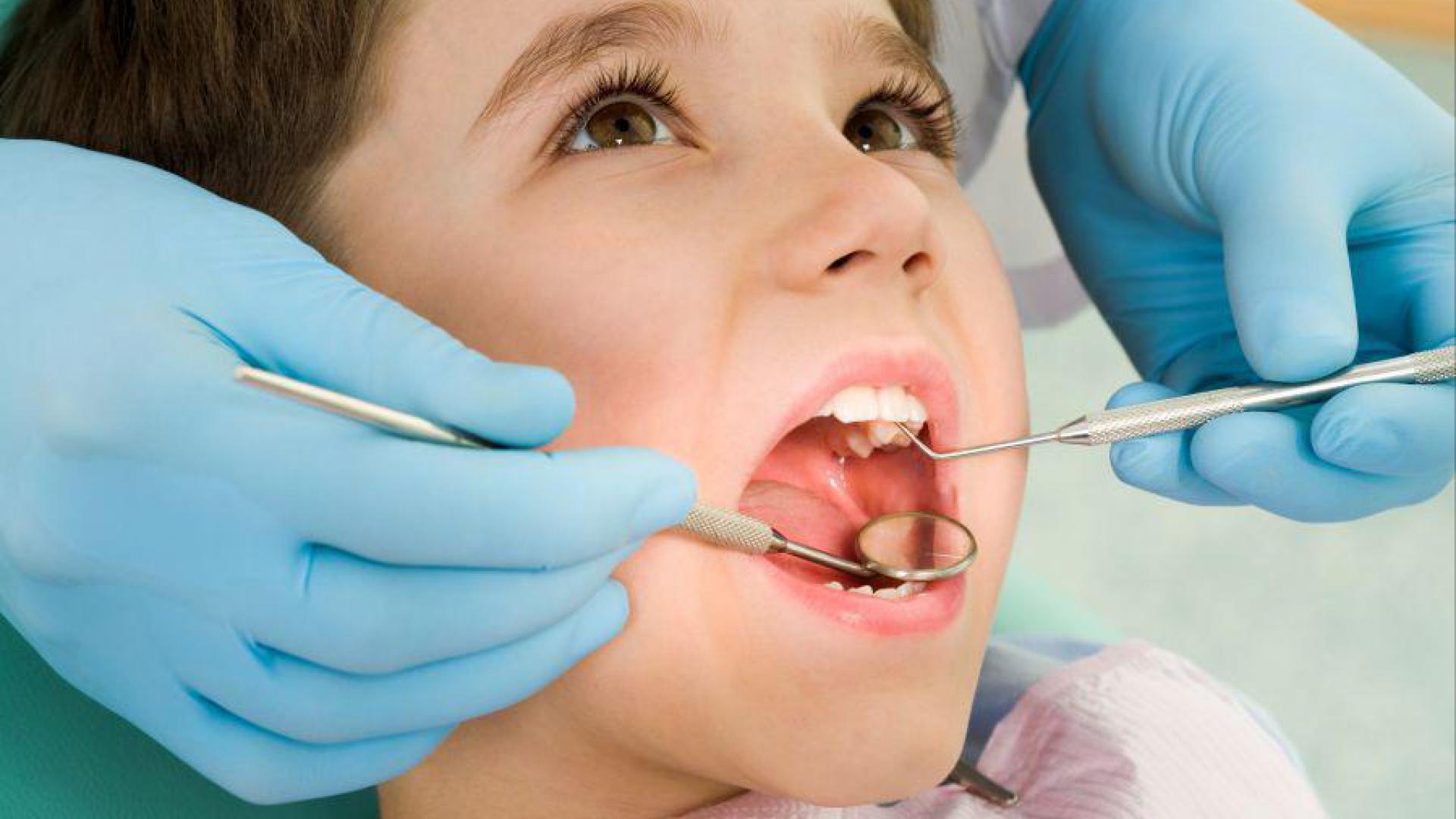
Your child's smile is one of the first things the world sees. But more than that, healthy teeth affect how they eat, speak, sleep, and grow. Yet for many parents, finding the right dental home for their little one can feel overwhelming. What makes a pediatric dentist different? When should your child's first visit happen? And how do you know if a practice is truly the right fit for your family?
If you are a parent in the Myrtle Beach area searching for a pediatric dentist in south carolina who combines clinical expertise with a warm, child-friendly approach, this article is for you.
What Makes Pediatric Dentistry Different From General Dentistry?
Pediatric dentists are not simply general dentists who see children on the side. They complete two to three additional years of specialized training after dental school, focusing specifically on child development, child behavior, early oral health, and how to care for patients from infancy through the teen years.
This training matters because children are not small adults. Their dental needs change rapidly at every stage — from baby teeth erupting in infancy, to the mixed dentition phase where baby and permanent teeth coexist, to the full adult smile emerging in the early teen years. A pediatric specialist understands how to spot problems early, how to explain procedures in age-appropriate language, and how to create an environment where children feel safe rather than scared.
Beyond technique, the best pediatric practices are built around one core idea: make children actually want to come back.
When Should My Child First See a Dentist?
This is one of the most common questions parents ask, and the answer often surprises them. The American Academy of Pediatric Dentistry recommends that a child's first dental visit happen by their first birthday, or within six months of their first tooth appearing - whichever comes first.
Many parents assume they should wait until their child has a full set of teeth, or until there is a visible problem. But early visits serve a different purpose entirely. They allow the dentist to:
-
Check that baby teeth are erupting correctly
-
Identify any early signs of decay or developmental concerns
-
Guide parents on proper brushing techniques for infants and toddlers
-
Establish a positive, low-pressure relationship with dental care before anxiety can take root
Starting early is one of the single most effective things you can do for your child's long-term oral health.
Understanding the Services a Pediatric Dental Practice Should Offer
Not every child needs the same care. A well-rounded pediatric dental practice should be equipped to handle a wide range of needs across different ages and circumstances.
Preventive Care and Cleanings Regular cleanings, fluoride treatments, and sealants form the foundation of good oral health. Professional cleanings remove the buildup that daily brushing cannot fully address, and sealants protect the grooves of molars where cavities most commonly form in children.
Fillings and Restorations Tooth decay in children is more common than many parents realize. It is the most prevalent chronic disease in children in the United States. When caught early, cavities can be treated with minimally invasive fillings that preserve the tooth structure and prevent further damage.
Emergency Dentistry Accidents happen - a fall at the playground, a sports collision, a chipped tooth on vacation. Having a pediatric dental practice that welcomes emergency visits and can respond quickly gives parents enormous peace of mind.
Sedation Dentistry Some children experience significant dental anxiety, or require more extensive treatment than a standard visit allows. Sedation dentistry, when performed safely and under proper protocols, helps children receive the care they need without fear or trauma.
Special Needs Dentistry Children with sensory sensitivities, developmental differences, or medical complexities deserve dental care that is thoughtfully adapted to their unique needs. A skilled pediatric team will take the time to understand each child and create a plan that works.
Habit Counseling Thumb-sucking and prolonged pacifier use can affect how teeth and the jaw develop over time. Gentle, positive habit counseling helps children break these patterns without shame or fear.
Digital X-Rays Modern digital X-rays expose children to significantly less radiation than traditional film, and they produce instant, high-resolution images that help dentists catch problems that are invisible to the naked eye.
Tongue and Lip Tie Treatment An often-overlooked area of pediatric oral health is the treatment of tongue ties and lip ties. These conditions, present from birth, can interfere with breastfeeding, speech development, and proper oral function. Laser-assisted treatment has made this procedure faster, gentler, and more comfortable for infants and young children.
Why Location and Community Matter in Pediatric Dental Care
Dental care is not a one-time event. It is a relationship that grows over years. For that reason, choosing a practice that is part of your local community - one that knows your family, remembers your child's preferences, and is accessible when you need them - makes a meaningful difference.
For families in the Carolina Forest and greater Myrtle Beach area, Sawgrass Pediatric Dentistry has become that trusted community practice. Led by Dr. Ryan, a mother herself and a passionate advocate for children's health, the practice treats every child with the same care she gives her own. Parents searching for a childrens dentist myrtle beach families can rely on will find that Sawgrass brings together clinical excellence, a genuinely welcoming team, and a mission to make dental visits something kids look forward to rather than dread.
How to Prepare Your Child for Their First Dental Visit
A little preparation goes a long way in shaping how your child experiences dental care for years to come.
-
Talk about it positively. Avoid using words like "hurt," "needle," or "scary." Keep your language simple and upbeat.
-
Play pretend dentist at home. Let your child count your teeth, then count theirs. Familiarity reduces fear.
-
Read books or watch videos about dental visits. Many child-friendly resources exist specifically for this.
-
Choose a morning appointment when children are typically more rested and cooperative.
-
Bring a comfort item if your child has one - a stuffed animal or favorite toy can be a grounding presence in a new environment.
Most importantly, trust the team. A well-trained pediatric dental staff knows how to work with children at every temperament level, and they have helped thousands of nervous first-timers walk away smiling.
5 Frequently Asked Questions About Pediatric Dental Care
1. At what age should my child start seeing a dentist?
Your child's first dental visit should happen around their first birthday or within six months of their first tooth coming in. Early visits build familiarity, catch issues before they grow, and set positive habits from the start.
2. Are baby teeth really that important if they fall out anyway?
Absolutely. Baby teeth hold space in the jaw for permanent teeth, support proper speech development, and allow children to chew and eat normally. Untreated decay in baby teeth can cause pain, infections, and problems with how adult teeth come in.
3. How do I know if my child needs sedation for a dental procedure?
Your pediatric dentist will recommend sedation if your child has significant dental anxiety, needs extensive treatment, has difficulty cooperating due to age or developmental factors, or if the procedure is lengthy or complex. The dentist will always discuss options and answer your questions before any decision is made.
4. My baby is struggling to breastfeed - could a tongue tie be involved?
It is possible. Tongue ties and lip ties restrict the movement of the tongue or upper lip and can make latching difficult. Signs include poor weight gain, clicking sounds during feeding, nipple pain for nursing mothers, and excessive gas in the baby. A pediatric dentist trained in this area can evaluate and advise you.
5. How often should my child visit the dentist?
Most children benefit from checkups every six months. However, your dentist may recommend more frequent visits if your child is at higher risk for cavities or has ongoing dental concerns. Consistency is key - regular visits allow the dentist to monitor development and catch small problems before they become bigger ones.

 English
 Arabic
 French
 Spanish
 Portuguese
 Deutsch
 Dutch
Dutch
 Italiano
 Russian
 Romaian
 Portuguese (Brazil)
 Greek
Greek
