


Should You Remove That Textured Ceiling? What Ontario Homeowners Need to Know
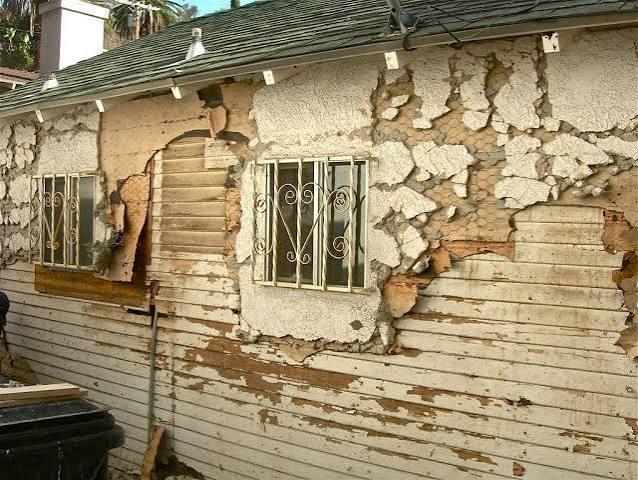
Many homes across the Greater Toronto Area still have textured ceilings that were installed decades ago. At one time, these finishes were popular because they helped hide imperfections and reduced the amount of finishing work needed during construction. Today, however, many homeowners see them as outdated and difficult to maintain. Cracks, stains, and years of paint buildup often make these ceilings stand out for the wrong reasons.
Ontario's changing weather also plays a role. Seasonal humidity, dry winter air, and normal home movement can cause older ceiling textures to crack or separate from the surface underneath. If you're planning to renovate, sell your home, or simply modernize your living space, understanding your options before making changes can save time, money, and frustration.
Why Homeowners Decide to Update Textured Ceilings
Textured ceilings can last for many years, but they often become a concern as homes age. While some remain in good condition, others begin showing signs that they need attention.
Homeowners commonly choose stucco removal because they want a cleaner, brighter, and more modern appearance. Flat ceilings also make rooms feel larger by reflecting more natural light.
Common reasons for removing textured ceilings include:
-
Cracks caused by natural house movement
-
Water stains after roof or plumbing leaks
-
Outdated appearance during renovations
-
Difficulty cleaning dust and cobwebs
-
Multiple layers of old paint creating uneven texture
-
Preparation for new lighting or ceiling repairs
Older homes throughout the GTA may also contain textured materials installed before modern regulations. In some cases, homeowners should arrange appropriate testing before disturbing older ceiling finishes to determine whether additional safety precautions are needed.
Understanding the Ceiling Removal Process
Many people assume this project simply involves scraping away the texture, but the work requires careful preparation and attention to detail.
Every ceiling is different, and professionals adjust the process based on the home's age, the type of finish, and the overall condition of the surface.
A typical project includes the following stages.
Initial Inspection
The contractor examines:
-
Ceiling condition
-
Previous repairs
-
Water damage
-
Existing paint layers
-
Possible safety concerns in older homes
This inspection helps determine the most suitable removal method.
Preparing the Room
Furniture is removed or covered.
Floors, walls, lighting fixtures, vents, and doorways receive protective coverings to reduce dust throughout the home.
Power may be disconnected in the work area if fixtures are being removed.
Removing the Existing Texture
Depending on the ceiling material, professionals may:
-
Carefully scrape softened texture
-
Sand the surface
-
Repair damaged drywall
-
Replace sections that cannot be restored
If you're researching how to remove stucco from ceiling, you'll quickly discover that techniques vary based on the age of the finish, paint buildup, and the condition of the drywall underneath. There is no single approach that works for every ceiling.
Surface Repairs
Once the texture has been removed, imperfections become much easier to see.
Professionals repair:
-
Nail pops
-
Cracks
-
Small holes
-
Joint seams
-
Uneven drywall
This stage often requires several coats of joint compound with drying time between applications.
Sanding and Priming
After repairs cure completely, the ceiling is sanded smooth before receiving a quality primer.
This creates an even surface for the final finish.
Painting
Most homeowners choose a flat white ceiling paint because it minimizes glare while providing a clean, modern appearance.
Cleanup
Professional cleanup includes:
-
Dust removal
-
Protective sheet removal
-
Final inspection
-
Disposal of waste materials
Experienced contractors, including companies such as revivepainting, often emphasize thorough preparation and cleanup because those steps significantly affect the finished appearance and reduce disruption inside the home.
What Does It Cost in Ontario and the GTA?
Pricing varies considerably because every ceiling presents different challenges.
Rather than expecting one fixed number, homeowners should request detailed estimates after an on-site inspection.
Typical Ontario pricing may range from approximately $2 to $7 per square foot, depending on the complexity of the project.
Factors influencing cost include:
Ceiling Size
Larger homes naturally require more labor and materials.
Ceiling Height
Vaulted ceilings or stairwells require additional equipment and extra safety measures.
Existing Condition
Water damage, large cracks, or extensive repairs increase labor time.
Number of Paint Layers
Older painted textures can be more difficult to remove than unpainted surfaces.
Furniture and Accessibility
Empty rooms generally reduce preparation time compared to heavily furnished spaces.
Finishing Requirements
Some homeowners request premium paint finishes or additional drywall improvements that increase overall costs.
If electrical work, lighting upgrades, or insulation improvements are planned, coordinating those projects before ceiling finishing may help reduce repeated labor.
Practical Tips Before Hiring a Contractor
Taking a little extra time before choosing a contractor often leads to a smoother renovation.
Here are several practical suggestions.
Ask About Previous Projects
Request photos of completed ceilings that resemble your home's condition.
Request a Detailed Written Estimate
A professional estimate should explain:
-
Preparation
-
Repairs
-
Painting
-
Cleanup
-
Expected timeline
This makes comparing quotes much easier.
Understand the Warranty
Ask exactly what workmanship warranty is included and whether paint coverage is separate.
Discuss Dust Control
Ceiling work naturally creates dust.
Ask how the contractor plans to protect:
-
Flooring
-
HVAC vents
-
Adjacent rooms
-
Furniture
Schedule During the Right Season
While interior work can happen year-round, many homeowners combine ceiling improvements with winter interior renovations when outdoor projects slow down.
Warning Signs That Shouldn't Be Ignored
Sometimes homeowners delay repairs because textured ceilings seem like a cosmetic issue.
However, certain warning signs deserve prompt attention.
Watch for:
-
Long cracks spreading across the ceiling
-
Peeling or flaking texture
-
Brown or yellow water stains
-
Sagging drywall
-
Bubbling paint
-
Mold caused by ongoing moisture
Ignoring these problems can allow water damage to spread into insulation, framing, or drywall.
If multiple rooms show similar symptoms, the underlying cause should be identified before cosmetic repairs begin.
DIY or Professional Help?
Many homeowners consider tackling remove stucco ceiling projects themselves after watching online videos.
While DIY can be appealing, the decision depends on the ceiling's condition, your experience, and the amount of work involved.
| DIY | Professional |
|---|---|
| Lower initial cost | Faster completion |
| Flexible schedule | Professional equipment |
| Suitable for very small repairs | Better dust control |
| Personal satisfaction | Higher-quality finish |
| Learning experience | Repairs included |
DIY makes the most sense when:
-
The ceiling covers a very small area.
-
The texture is easy to remove.
-
The homeowner has drywall finishing experience.
-
No safety concerns exist.
Hiring a professional usually becomes the better choice when:
-
Multiple rooms require work.
-
The ceiling is high.
-
Repairs are extensive.
-
A perfectly smooth finish is expected.
-
Older materials require testing before disturbance.
Professional crews also understand how moisture, drying time, sanding, and finishing interact to create a uniform ceiling that blends naturally throughout the home.
How a Smooth Ceiling Adds Long-Term Value
While updating a ceiling is often viewed as a cosmetic improvement, it offers practical benefits that continue long after the project is complete.
A smooth ceiling is easier to clean because dust has fewer places to collect. It also simplifies future painting since there are no deep textures to cover evenly. Homeowners who install recessed lighting or modern fixtures often notice that flat ceilings create a cleaner appearance by allowing light to spread more evenly across the room.
For homeowners preparing to sell, updated ceilings can improve first impressions during showings. Buyers frequently associate smooth finishes with a well-maintained, modern interior. Although every renovation should fit the home's budget and overall condition, this type of upgrade often complements other improvements such as fresh paint, updated flooring, and new trim.
If you're planning additional renovations, completing the ceiling work first can also help protect the final appearance of walls and finishes installed afterward.
Frequently Asked Questions
How long does ceiling texture removal usually take?
Most average-sized rooms can be completed in several days, depending on drying times, repairs, and painting. Larger homes or ceilings requiring significant repairs may take longer.
Is the process very messy?
Some dust is unavoidable, but proper preparation, containment, and cleanup greatly reduce the impact on the rest of the home.
Can every textured ceiling be removed?
Many can, but the removal method depends on the material, age, paint buildup, and condition of the drywall underneath.
Will removing the texture increase my home's value?
A smoother ceiling often improves the home's appearance and appeal to potential buyers, especially when combined with other interior updates. The exact return depends on market conditions and the property's overall condition.
Is stucco ceiling removal always better than covering the texture?
Not necessarily. In some situations, installing new drywall over an existing textured ceiling may be more practical, particularly if the original surface has significant damage. A professional inspection can help determine the most appropriate solution.
Final Verdict
Updating an older textured ceiling is more than a cosmetic change. It can improve the appearance of your home, simplify future maintenance, and provide an opportunity to repair hidden damage before it becomes more serious. By understanding the removal process, expected costs, warning signs, and the differences between DIY and professional work, homeowners in Ontario can make informed decisions that fit both their budget and long-term renovation goals.

 English
 Arabic
 French
 Spanish
 Portuguese
 Deutsch
 Turkish
 Italiano
 Russian
 Romaian
 Portuguese (Brazil)
 Greek
Greek
