


Commercial Kitchen Equipment: The Foundation of Every Successful Food Business
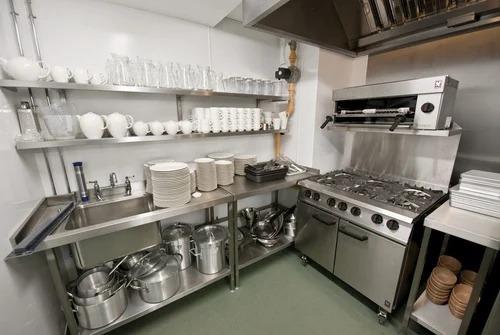
Running a successful restaurant, hotel, café, cloud kitchen, or catering service starts with one important investment-commercial kitchen equipment. The right equipment helps maintain food quality, improves kitchen efficiency, reduces cooking time, and supports a safe working environment for staff.
Whether you are opening a new food business or upgrading an existing kitchen, choosing durable and high-performance equipment can make a significant difference in daily operations.
Why Commercial Kitchen Equipment Matters
Unlike domestic appliances, commercial kitchen equipment is designed for continuous and heavy-duty use. Restaurants and food businesses often operate for long hours, which requires machines that can handle high production volumes without compromising performance.
Benefits include:
-
Faster food preparation
-
Better hygiene and cleanliness
-
Consistent cooking results
-
Lower maintenance costs
-
Improved staff productivity
-
Compliance with food safety standards
Essential Commercial Kitchen Equipment
Cooking Equipment
Cooking equipment is the heart of any commercial kitchen. Common options include:
-
Commercial gas ranges
-
Cooking ranges
-
Griddles
-
Deep fryers
-
Tilting boiling pans
-
Steam cooking units
These appliances help chefs prepare food quickly while maintaining consistent taste and texture.
Refrigeration Equipment
Proper refrigeration is essential for food safety. Commercial kitchens typically use:
-
Upright refrigerators
-
Deep freezers
-
Under-counter chillers
-
Display refrigerators
-
Cold rooms
Maintaining the correct temperature helps preserve ingredients, reduce waste, and meet hygiene requirements.
Preparation Equipment
Food preparation becomes much easier with specialized equipment such as:
-
Vegetable cutters
-
Dough kneaders
-
Planetary mixers
-
Food processors
-
Meat mincers
These machines save time and reduce manual effort, especially during peak business hours.
Washing and Cleaning Equipment
Cleanliness is critical in the food industry. Essential washing equipment includes:
-
Stainless steel sinks
-
Dishwashers
-
Glass washers
-
Pot wash stations
Efficient cleaning systems help maintain hygiene standards and speed up kitchen turnover.
Choosing the Right Equipment for Your Kitchen
Every food business has different requirements. A small café may need compact equipment, while a large hotel kitchen requires high-capacity machines.
Consider the following factors before purchasing:
Kitchen Size
Measure the available space and plan the layout carefully. Proper spacing improves workflow and staff movement.
Menu Type
Your menu determines the equipment you need. A bakery requires mixers and ovens, while a restaurant may need grills, fryers, and refrigeration units.
Production Capacity
Estimate the number of meals you expect to serve daily. Equipment should be capable of handling peak demand without slowing operations.
Energy Efficiency
Energy-efficient equipment can reduce electricity and gas consumption, lowering long-term operating costs.
Importance of Stainless Steel Equipment
Most professional kitchens prefer stainless steel equipment because it is:
-
Corrosion resistant
-
Easy to clean
-
Durable
-
Hygienic
-
Suitable for high-temperature environments
Stainless steel surfaces also help maintain a professional appearance and support food safety practices.
Common Industries That Use Commercial Kitchen Equipment
Commercial kitchen equipment is widely used in:
-
Restaurants
-
Hotels
-
Cafés
-
Bakeries
-
Cloud kitchens
-
Food courts
-
Hospitals
-
Educational institutions
-
Corporate cafeterias
-
Catering businesses
Each industry has specific operational needs, making customized kitchen planning extremely important.
Maintenance Tips for Long Equipment Life
Regular maintenance helps prevent breakdowns and costly repairs.
-
Clean equipment after every shift.
-
Inspect gas and electrical connections regularly.
-
Replace worn-out parts on time.
-
Schedule periodic professional servicing.
-
Train staff on proper equipment handling.
A well-maintained kitchen not only lasts longer but also performs more efficiently.
Final Thoughts
Commercial kitchen equipment in Noida is one of the most important investments for any food business. From cooking and refrigeration to preparation and cleaning, each piece of equipment plays a vital role in delivering quality food and smooth kitchen operations.
Choosing the right equipment based on your menu, kitchen space, and production requirements can improve efficiency, maintain hygiene standards, and support long-term business growth. A professionally planned commercial kitchen creates a safer, faster, and more productive environment for both staff and customers.

 English
 Arabic
 French
 Spanish
 Portuguese
 Deutsch
 Turkish
 Dutch
Dutch
 Russian
 Romaian
 Portuguese (Brazil)
 Greek
Greek
