


How to Choose a Roofing Supplier Philippines to Prevent Costly Leaks
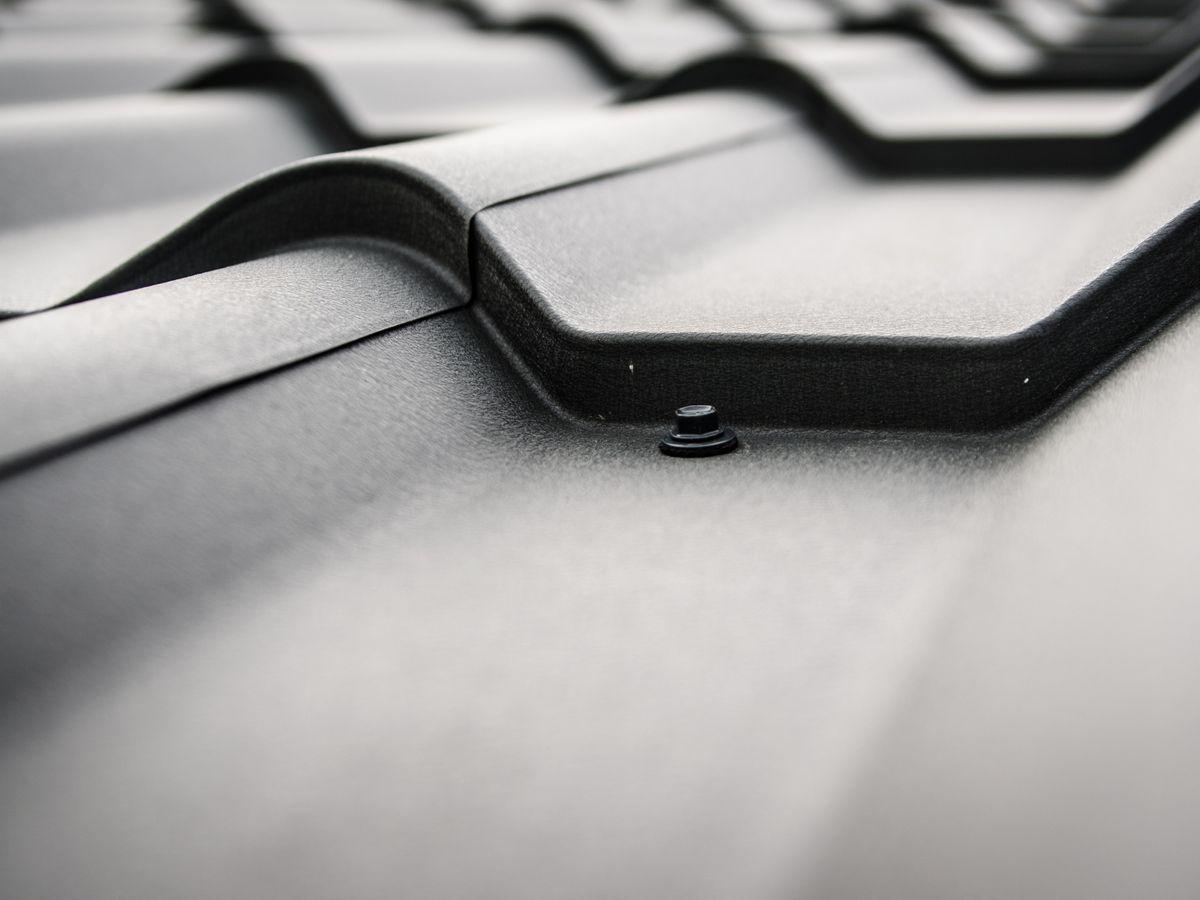
Roof leaks can cause extensive damage to walls, ceilings, and foundations, leading to expensive repairs. Partnering with a qualified Roofing Supplier Philippines ensures durable materials and proper installation guidance, directly reducing the risk of future leaks. Poor supplier choices often result in inferior products that degrade faster, leaving buildings vulnerable to water infiltration.
Evaluating Material Quality
Low-grade roofing materials fail prematurely, especially in high-rainfall areas. Suppliers offering discounted rates might stock subpar products that warp, crack, or absorb water over time. This forces property owners to fix leaks, replace damaged layers, or reinforce weakened structures.
Take corrugated metal sheets as an example. Lower-grade versions rust within two years near coastal regions, while corrosion-resistant options last decades. Always request documentation for tensile strength, UV resistance, and water absorption rates. Avoid suppliers unwilling to share technical data.
Verifying Supplier Expertise
Reputable suppliers provide clear product specifications and installation guidelines. Review their certifications, such as compliance with DTI standards, and check client feedback for consistency. Ask for project examples demonstrating their ability to handle typhoon-resistant installations or heat-reflective roofing.
For instance, thermoplastic membranes require specific sealing techniques. A knowledgeable supplier will advise on compatible adhesives and flashing methods to prevent water entry at joints. Inexperienced suppliers might overlook critical compatibility details.
Understanding Regional Compliance
Philippine building codes mandate specific roofing requirements, especially in typhoon-prone zones. A competent supplier knows local standards like PNS 176:2018 for clay tiles and can guide buyers on wind uplift resistance or moisture tolerance. Roofing in areas like Baguio must withstand frequent heavy rains, requiring materials rated for high-impact durability.
Request proof of compliance with national standards (e.g., relevant accreditation or service documentation Scheme). Non-certified materials risk rejection during inspections or unsafe installations that fail under stress.
Assessing Local Availability
Working with a local supplier reduces delivery delays and ensures timely support for urgent repairs. Local companies understand regional conditions, such as the corrosive effects of seawater on metal roofs in coastal towns. They often keep regional inventory to address emergencies like typhoon damage.
For example, a warehouse in Cebu can supply replacement shingles to a municipal project within days, whereas international suppliers might take weeks to fulfill orders. This difference prevents prolonged building damage during rainy seasons.
Matching Products to Project Needs
Different structures require tailored roofing solutions. Flat commercial roofs need heat-welded membranes, while sloped residential roofs benefit from interlocking tiles. A reliable supplier will ask about building use, pitch, and climate exposure before recommending products.
For instance, high-rise buildings in Metro Manila might need fire-rated asphalt shingles to meet fire code, while agricultural sheds may prioritize lightweight polycarbonate sheets. Quality suppliers explain performance differences, such as impact ratings for hail resistance or UV reflectivity for cooling efficiency.
Calculating Long-Term Value
Low upfront costs often translate to higher replacement expenses later. Clay tiles, priced twice as high as composite shingles, can outlast them by 30 years. Use a simple formula: annualized cost = (price per square meter ÷ lifespan in years) + maintenance expenses.
A supplier should provide life-cycle estimates and warranty details. For metal roofing, a 25-year warranty isn’t meaningful if corrosion from acidic rain isn’t covered. Compare annualized costs across materials to identify the most economical choice.
Testing Material Performance
Field tests help identify product weaknesses before full-scale purchases. For metal sheets, use a ruler to check thickness—0.45mm is the minimum for coastal installations. For concrete tiles, perform a water absorption test by spraying a sample and observing soak-through.
Request sample orders to create test installations. Monitor how materials handle direct sunlight, rainfall, and temperature fluctuations over three months. Document results to compare multiple suppliers’ performance under identical conditions.
Reviewing Warranty Terms
Warranties reflect supplier confidence in product longevity. Read terms carefully: a 10-year metal roof warranty might exclude scratches caused during installation. The best warranties cover both material defects and installation-related failures like poor seam sealing.
Check return policies for defective items. Reliable suppliers replace faulty goods within 30 days and assign a dedicated contact for follow-ups. Avoid vendors that shift blame to installers or third parties.
Confirming Logistics Support
Delays in material delivery can disrupt construction timelines, leading to rushed, sloppy installations. Clarify a supplier’s delivery protocols, including tracking systems and backup distribution networks. For example, during monsoon season, a supplier with branches in multiple provinces ensures consistent supply even if roads flood.
Ask about partial shipments for urgent needs. A supplier allowing split deliveries can provide critical materials first, preventing workflow halts while waiting for the full order. Always agree on delivery timelines in writing.
Building Repeat Relationships
Collaborating with the same supplier over time improves efficiency. Familiarity with your project history allows faster, more accurate recommendations. Start with small purchases to test reliability, tracking metrics like defect rates and on-time delivery percentages.
After two years of consistent service, negotiate volume discounts or prioritized support during emergencies. Long-term partnerships create accountability for both parties, ensuring mutual focus on quality and satisfaction.
Key Takeaway
A trusted Roofing Supplier Philippines minimizes structural risks and long-term costs. Focus on suppliers with proven track records, product certifications, and localized expertise to ensure materials withstand Philippine weather conditions. Avoid cutting corners on quality, as this can lead to repeated repairs.

 English
 Arabic
 French
 Spanish
 Portuguese
 Deutsch
 Turkish
 Dutch
Dutch
 Russian
 Romaian
 Portuguese (Brazil)
 Greek
Greek
