


Widal Test: Purpose, Procedure, Results, Preparation & Benefits
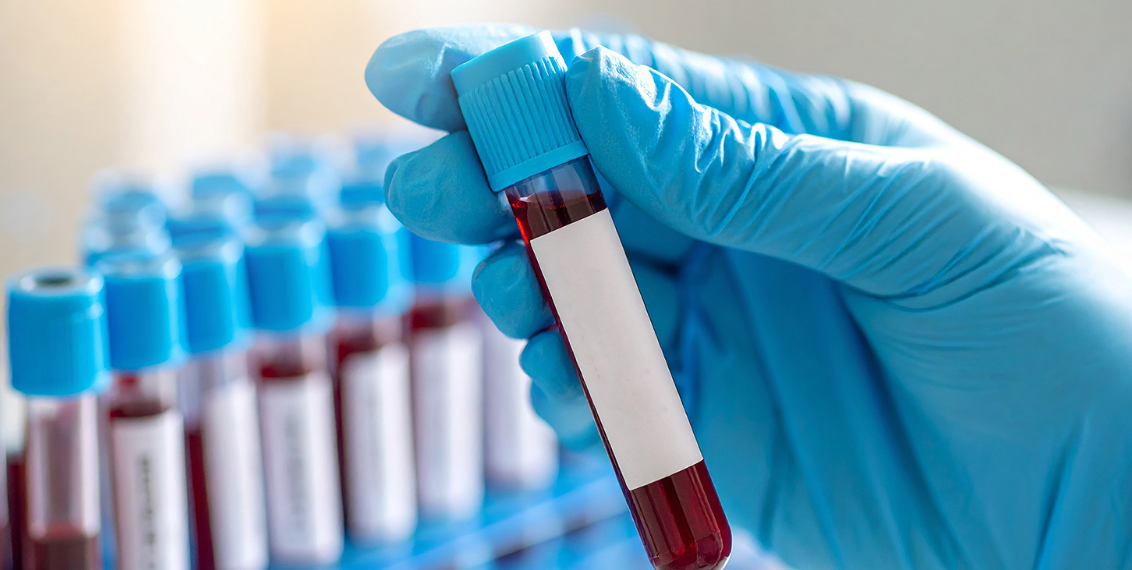
A Widal Test is a blood test used to help detect typhoid fever, a bacterial infection caused by Salmonella Typhi. The test measures antibodies produced by the body's immune system against the bacteria. Doctors may recommend a Widal Test if a person has prolonged fever and symptoms suggestive of typhoid.
This article explains the purpose of the Widal Test, when it is recommended, how it is performed, and how the results are interpreted.
What Is a Widal Test?
A Widal Test is a serological blood test that detects antibodies against the O (somatic) and H (flagellar) antigens of Salmonella Typhi and, in some cases, Salmonella Paratyphi.
The test helps support the diagnosis of typhoid fever when interpreted along with symptoms, medical history, and other laboratory findings.
Why Is a Widal Test Done?
Doctors may recommend a Widal Test to:
- Help diagnose typhoid fever
- Investigate prolonged fever
- Detect antibodies against Salmonella Typhi
- Support treatment decisions
- Differentiate typhoid from other causes of fever
Who Should Get a Widal Test?
A Widal Test may be advised for people with:
- Fever lasting several days
- Persistent headache
- Weakness
- Loss of appetite
- Abdominal discomfort
- Nausea or vomiting
- Constipation or diarrhoea
- Suspected typhoid infection
Symptoms of Typhoid Fever
Common symptoms include:
- High fever
- Headache
- Weakness
- Fatigue
- Stomach pain
- Loss of appetite
- Nausea
- Vomiting
- Constipation or diarrhoea
- Body aches
Consult a healthcare provider if symptoms persist or worsen.
How Is a Widal Test Performed?
The procedure is simple.
- A healthcare professional collects a blood sample from a vein in your arm.
- The sample is sent to the laboratory.
- The blood is tested for antibodies against typhoid bacteria.
- Reports are generally available within 24 hours, depending on the laboratory.
Many diagnostic centres also offer home sample collection.
Preparation for a Widal Test
Generally:
- Fasting is not required.
- Inform your healthcare provider about any medications.
- Follow the laboratory's instructions before testing.
Understanding Widal Test Results
A healthcare professional should interpret the results.
Generally:
- Positive Result: May indicate a current or recent typhoid infection, depending on antibody levels and clinical findings.
- Negative Result: May indicate no detectable antibodies or that the test was performed too early in the infection.
Because antibody levels can vary, doctors often interpret the Widal Test together with symptoms and, when needed, additional tests such as blood culture.
Limitations of the Widal Test
The Widal Test has certain limitations:
- It may produce false-positive or false-negative results.
- Previous typhoid infection or vaccination may affect antibody levels.
- Early testing may not detect sufficient antibodies.
- Results should always be interpreted with clinical findings and, if required, confirmatory tests.
Benefits of a Widal Test
The Widal Test helps:
- Support the diagnosis of typhoid fever
- Detect antibodies against typhoid bacteria
- Guide further investigations
- Assist healthcare providers in treatment planning
- Monitor suspected typhoid cases
How Can Typhoid Be Prevented?
You can reduce the risk of typhoid by:
- Drinking safe, clean water
- Washing hands regularly
- Eating properly cooked food
- Avoiding contaminated food and beverages
- Maintaining good personal hygiene
- Following recommended vaccination advice when appropriate
When Should You Consult a Doctor?
Seek medical advice if you experience:
- Fever lasting more than three days
- Persistent abdominal pain
- Continuous vomiting
- Severe weakness
- Dehydration
- Symptoms that do not improve
Early medical evaluation helps ensure timely diagnosis and appropriate treatment.
Conclusion
A Widal Test is a commonly used blood test that helps support the diagnosis of typhoid fever by detecting antibodies against Salmonella Typhi. Although it is a useful screening tool, the results should always be interpreted along with symptoms, medical history, and, when necessary, additional laboratory tests. If you have prolonged fever or symptoms suggestive of typhoid, consult your healthcare provider for proper evaluation and testing.

 English
 Arabic
 French
 Spanish
 Portuguese
 Deutsch
 Turkish
 Dutch
Dutch
 Italiano
 Russian
 Romaian
 Portuguese (Brazil)
