


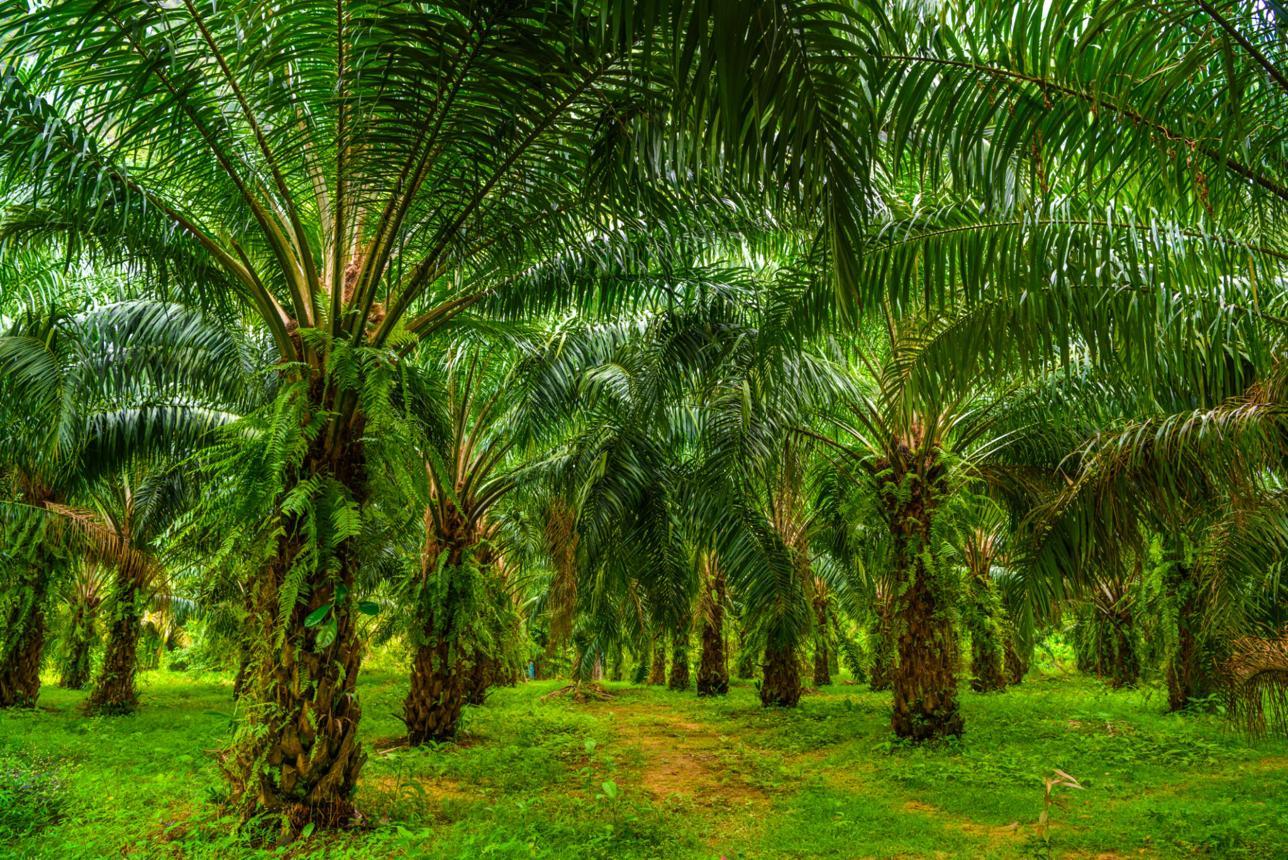
The palm oil market is a global industry with distinct regional characteristics shaped by production capacity, consumption patterns, and sustainability requirements. From the dominant production hubs of Southeast Asia to the rapidly growing consumer markets and the regulatory-driven demand for sustainable sourcing, the Palm Oil Market presents a diverse geographic landscape. Southeast Asia is the primary production region, while Asia-Pacific and Europe are key consumption centers. Understanding these regional dynamics is essential for navigating this essential global market.
Market Dynamics
The global palm oil market is shaped by different production capacities, consumption patterns, and sustainability requirements in each region.
Southeast Asia: The Production Hub
Southeast Asia, particularly Indonesia and Malaysia, is the dominant production region, accounting for approximately 85% of global palm oil production . In 2024, global palm oil production was approximately 80 million tons . These countries account for almost one-third of the world's vegetable oil production . However, growth in production is expected to weaken due to increasing sustainability concerns, aging oil palm trees, and regulatory pressures . Indonesia's production is expected to remain flat due to government land seizures and reduced investment . Malaysia is also facing challenges from tightening regulations and the need for replanting.
Asia-Pacific: The Consumption Engine
The Asia-Pacific region maintains the largest market share due to robust production and consumption trends . China, the world's second-largest economy, is a key growth market, with significant projected growth in palm oil consumption . However, demand in China has been shifting, with a decline in recent years as consumption patterns evolve . India is the world's biggest importer of palm, soybean, and sunflower oil, importing around 16 million tonnes annually . In June 2026, India's palm oil imports dropped significantly due to narrowed price discounts compared to other oils . Indonesia's domestic consumption grew significantly, driven by biodiesel mandates .
Europe: The Sustainability Leader
Europe is a major market with a strong focus on sustainability. The European Union's Regulation on Deforestation-free Products is expected to slow oil palm area expansion and drive demand for certified sustainable palm oil . The EU's demand for palm oil has fallen significantly, driven by regulatory pressure and consumer preferences for alternatives . Countries like Germany are also key markets with a focus on quality and sustainability.
Latin America and Africa: Emerging Producers
Latin America and the Caribbean is the fastest-growing and second-largest palm oil-producing region, contributing around 7.5% of global output . In several Central American countries, niche palm oil production is developing with sustainability certifications in place from the outset . Africa is also a significant contributor, with increasing plantation activity to meet both domestic and global needs . Nigeria is projected to produce 1.9 Mt of palm oil by 2035 .
Regional Outlook
Southeast Asia will maintain its production dominance, though growth will moderate. Asia-Pacific will continue to be a key consumption hub, with India and China driving import demand. Europe will lead in sustainability and regulatory requirements. For detailed regional forecasts, refer to the Palm Oil Market.
Competitive Landscape
The competitive landscape is global. In Southeast Asia, large plantation companies dominate. In consumer markets, multinational trading companies and refiners play a key role. Sustainability certification is becoming a critical competitive differentiator.
Conclusion
The palm oil market is a global story of production concentration and widespread consumption. Southeast Asia is the production powerhouse, Asia-Pacific is the consumption engine, and Europe is the sustainability leader. Understanding these regional nuances is essential for any stakeholder looking to succeed in this dynamic and complex global market.
FAQs
1. Which region dominates palm oil production?
Southeast Asia, particularly Indonesia and Malaysia, dominates production, accounting for approximately 85% of global palm oil output .
2. Which region is the largest consumer of palm oil?
Asia-Pacific is the largest consumption region, with India and China being major importers of palm oil .
3. What is the role of Europe in the palm oil market?
Europe is a major market that leads in sustainability requirements and regulatory standards, driving demand for certified sustainable palm oil . For more information, visit the Palm Oil Market.

 English
 Arabic
 French
 Spanish
 Portuguese
 Deutsch
 Turkish
 Italiano
 Russian
 Romaian
 Portuguese (Brazil)
 Greek
Greek
