


Pressure Relief Valves: Supporting Safe, Efficient, and Continuous Operations
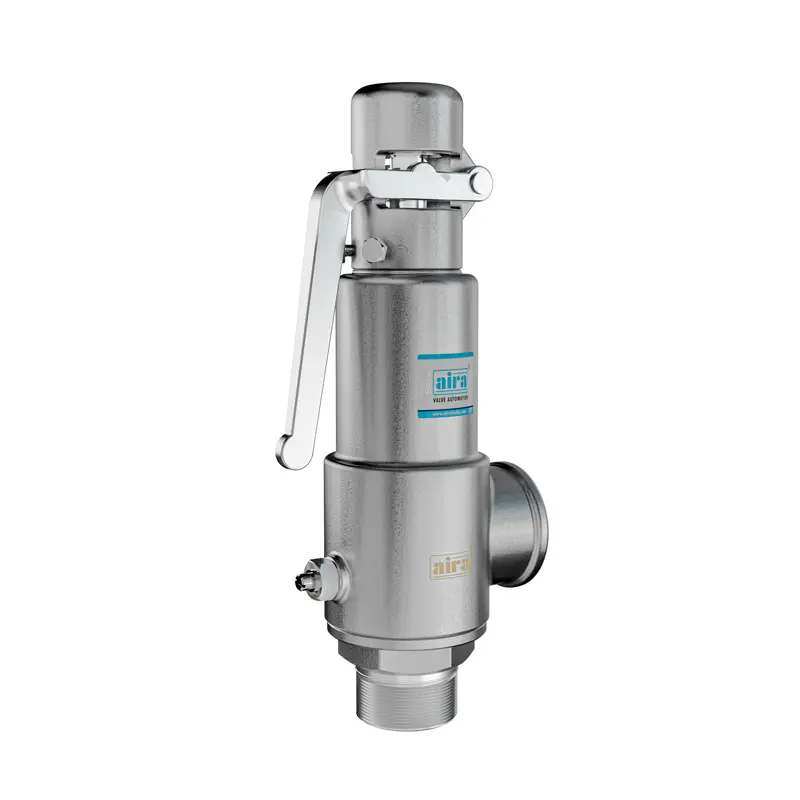
Industrial systems often operate under high-pressure conditions where maintaining safe pressure levels is essential for equipment protection and operational reliability. Excessive pressure can damage pipelines, vessels, pumps, and processing equipment, leading to costly downtime and safety risks. Pressure relief valves are specifically designed to automatically release excess pressure before it reaches dangerous levels. Choosing a trusted Pressure Relief Valve Manufacturer helps industries obtain high-quality valves that ensure dependable protection, improve system efficiency, and support continuous industrial operations.
Understanding Pressure Relief Valves
A pressure relief valve is a safety device designed to automatically release excess pressure from a pressurized system. Once the system pressure exceeds a predetermined set point, the valve opens to discharge excess fluid or gas. After the pressure returns to a safe level, the valve closes automatically.
This self-operating mechanism provides continuous protection without requiring manual intervention, making pressure relief valves an essential safety component in industrial systems.
Working Principle
Pressure relief valves operate using a simple spring-loaded mechanism.
Under normal operating conditions, the spring keeps the valve tightly closed. When system pressure rises above the preset limit, the force generated by the pressure overcomes the spring tension, causing the valve to open.
The valve releases excess pressure until normal operating conditions are restored. Once pressure decreases below the set value, the spring automatically reseats the valve, restoring normal operation.
Importance in Industrial Safety
Pressure management is one of the most important aspects of industrial operations.
Unexpected pressure increases may result from equipment failure, thermal expansion, blocked pipelines, or process malfunctions. Without proper protection, excessive pressure can damage expensive equipment or create hazardous operating conditions.
Pressure relief valves provide automatic protection by preventing dangerous overpressure situations, improving both equipment safety and process reliability.
Applications Across Industries
Pressure relief valves are widely used across numerous industrial sectors.
Common applications include:
-
Oil and gas processing
-
Chemical manufacturing
-
Petrochemical plants
-
Water treatment facilities
-
Power generation
-
Pharmaceutical industries
-
Food and beverage processing
-
Steam systems
-
Air compressor installations
-
Industrial process equipment
Their versatility makes them suitable for both liquid and gas applications.
Benefits of Pressure Relief Valves
Pressure relief valves provide several important operational advantages.
These include:
-
Automatic overpressure protection
-
Improved equipment safety
-
Reliable operation
-
Long service life
-
Reduced maintenance requirements
-
Enhanced process reliability
-
Compliance with industrial safety standards
-
Protection against costly equipment damage
These benefits help industries maintain safe and uninterrupted production.
Material Selection
Selecting appropriate materials is essential for reliable valve performance.
Pressure relief valves are manufactured using materials such as stainless steel, carbon steel, brass, bronze, and specialized corrosion-resistant alloys depending on operating conditions.
Spring materials, seals, and internal components are selected according to pressure ratings, temperature ranges, and media compatibility.
Proper material selection improves durability while extending equipment life.
Quality Manufacturing
Reliable performance depends on precision manufacturing.
Modern production facilities use advanced CNC machining, precision casting, automated assembly, and strict inspection procedures to produce high-quality pressure relief valves.
Pressure testing, leakage verification, dimensional inspection, and calibration ensure every valve performs according to specified operating requirements.
Strict quality control contributes to long-term reliability and consistent safety performance.
Installation and Maintenance
Correct installation is essential for effective pressure protection.
Pressure relief valves should be installed in suitable locations where excess pressure can be safely discharged. Proper orientation and secure mounting improve operating performance.
Routine inspections should include checking spring condition, valve seating surfaces, discharge connections, and calibration settings.
Regular preventive maintenance helps ensure dependable operation throughout the valve's service life.
Technological Advancements
Modern engineering continues improving pressure relief valve technology.
Advanced sealing materials, corrosion-resistant coatings, precision-machined components, and improved spring designs have significantly enhanced valve performance and durability.
Many modern pressure relief valves now integrate with digital monitoring systems that support predictive maintenance and continuous system monitoring.
These innovations improve both operational efficiency and plant safety.
Companies such as Mark & Aira Trading LLC operate within the industrial valve sector, supplying flow control solutions that support safe and efficient industrial operations.
Future of Pressure Relief Valve Technology
Industrial facilities continue adopting smarter and more automated production systems.
Future pressure relief valves are expected to feature enhanced diagnostic capabilities, intelligent monitoring systems, improved energy efficiency, and greater compatibility with Industry 4.0 technologies.
These developments will further improve equipment protection while reducing maintenance costs and operational downtime.
Conclusion
Pressure relief valves are essential safety devices that protect industrial systems from excessive pressure while ensuring continuous and reliable operation. Their automatic response, dependable performance, and durable construction make them indispensable across industries including oil and gas, chemicals, pharmaceuticals, water treatment, food processing, and power generation.
By combining precision engineering, high-quality materials, proper installation, and routine maintenance, pressure relief valves provide long-term equipment protection and improved operational safety. As industrial technology continues advancing, these valves will remain a critical component in maintaining safe, efficient, and reliable process operations across modern industrial facilities.

 English
 Arabic
 French
 Spanish
 Portuguese
 Turkish
 Dutch
Dutch
 Italiano
 Russian
 Romaian
 Portuguese (Brazil)
 Greek
Greek
