


The Complete Guide to Maintaining and Optimizing Your Home Water Softener
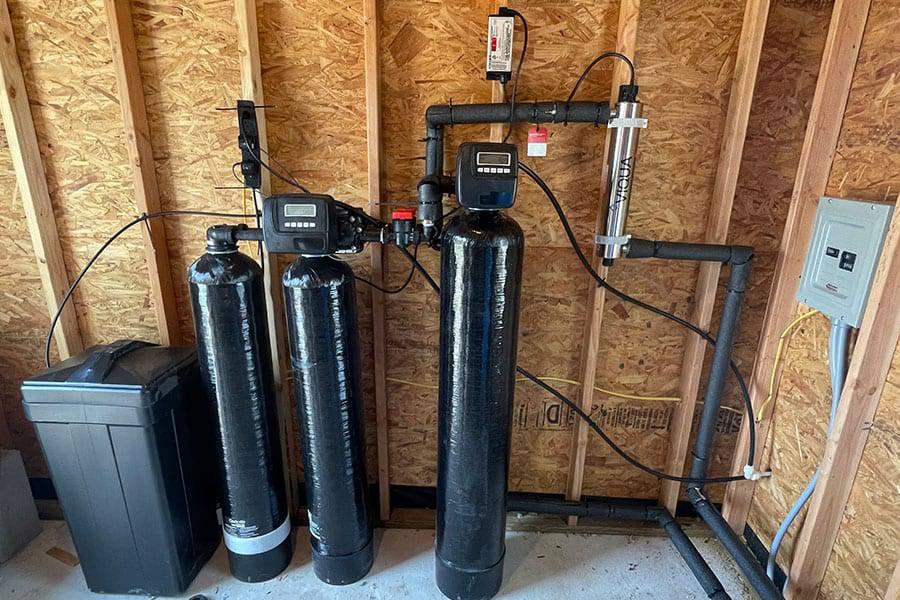
Having access to soft, conditioned water is one of the best ways to enhance daily home comfort, protect your plumbing system, and extend the lifespan of major appliances. When a water softening system is working efficiently, it quietly removes hard minerals like calcium and magnesium, leaving you with smooth skin, fluffy laundry, and sparkling fixtures. Taking proper care of your system and addressing routine maintenance promptly helps keep service expenses predictable, ensuring that evaluating any potential water softener repair cost remains a straightforward part of long-term home care.
By staying proactive with simple maintenance and knowing how your system operates, you can ensure a continuous supply of clean, luxurious water for your entire household.
Understanding How a Water Softener Protects Your Home
Water absorbs natural minerals as it filters through subterranean rock, soil, and limestone layers. While these minerals are completely safe, high concentrations of calcium and magnesium create hard water. When hard water flows through your pipes, it can leave chalky deposits on faucets, reduce soap lather, and build up inside water heaters.
A residential water softener treats water at the point of entry using an effective process called ion exchange. Inside the system's resin tank, millions of microscopic, food-grade resin beads hold soft sodium or potassium ions. As hard water flows through the tank, the resin beads pull calcium and magnesium out of the water and replace them with soft ions.
The Automated Regeneration Process
Over time, as the resin bed fills with hard minerals, it undergoes an automated cleaning cycle known as regeneration. During regeneration:
-
A concentrated salt solution from the brine tank flushes through the resin bed.
-
The high sodium concentration releases the trapped calcium and magnesium from the beads.
-
The hard minerals are safely rinsed down the drain line.
-
The resin bed is refreshed and ready to soften water once again.
Modern demand-initiated electronic control heads monitor your daily water usage, triggering regeneration only when needed to optimize both salt and water efficiency.
Remarkable Benefits of Softened Water in Everyday Life
Keeping your water softening system in top working condition delivers immediate, positive transformations across every room in your home.
                  ┌─────────────────────────────┐
                  │    WATER SOFTENER SYSTEM    │
                  └──────────────┬──────────────┘
                                 │
     ┌───────────────────────────┼───────────────────────────┐
     ▼                           ▼                           ▼
┌─────────┐                 ┌─────────┐                 ┌─────────┐
│ Health  │                 │ Home    │                 │ Life    │
│ & Skin  │                 │ Care    │                 │ Span    │
└─────────┘                 └─────────┘                 └─────────┘
1. Luxurious Bathing and Healthier Skin
Soft water allows soaps, body washes, and shampoos to lather effortlessly into rich, creamy foam. Because soft water rinses away completely, your skin retains its natural moisture barrier, feeling smooth and hydrated after every bath or shower. Hair remains soft, manageable, and vibrant.
2. Spotless Surfaces and Easy Cleaning
Cleaning becomes significantly faster when hard minerals are eliminated. Soap scum cannot bond with glass shower doors, porcelain sinks, or chrome faucets. In the kitchen, dishwashers perform at peak efficiency, producing crystal-clear glassware and spotless cutlery.
3. Vibrant Laundry and Soft Fabrics
Washing clothes in softened water prevents mineral crystals from trapping soap inside fabric weaves. Detergents dissolve fully, lifting dirt effectively even in cold wash cycles. Towels stay plush and absorbent, bed linens feel smooth, and bright colors maintain their original depth across dozens of wash loads.
4. Maximum Appliance Protection and Efficiency
Water heaters, washing machines, dishwashers, and coffee makers rely on clean heating elements to work effectively. Soft water prevents scale buildup inside heating chambers, allowing appliances to operate at peak thermodynamic efficiency, consume less energy, and enjoy an extended service life.
Simple Tips for Maintaining Peak System Performance
Keeping your water softener operating smoothly requires only minimal periodic attention:
-
Check Salt Levels Monthly: Keep the brine tank at least half full of high-purity salt pellets to ensure proper brine concentration during regeneration.
-
Break Up Salt Bridges: Occasionally check for hard salt crusts near the top of the brine tank and gently break them up so the salt can dissolve properly.
-
Keep the Resin Bed Clean: Using iron-clearing salt or adding a liquid resin cleaner periodically helps keep the resin beads free of sediment and trace iron.
Choosing Quality Components and Systems for Your Home
Investing in quality components and routine filtration checks ensures your water treatment system delivers high-volume performance for decades. Adding sediment pre-filters upstream protects the resin tank from fine particles, and comparing options like the standard water softener filter price makes it easy to schedule simple upgrades that maintain crystal-clear water pressure throughout your entire property.
Combining a reliable water softener with proper pre-filtration keeps your domestic plumbing completely scale-free and functioning at its best.
Conclusion
Upgrading and maintaining your home's water softening system is one of the most rewarding improvements you can make for your household. From enjoying comfortable showers and hydrated skin to keeping your bathroom fixtures spotless and extending the service life of major appliances, the benefits of conditioned water touch every part of daily living. By following basic maintenance routines and keeping your system supplied with high-purity salt, you establish a reliable foundation for continuous, crystal-clear soft water for years to come.
Frequently Asked Questions (FAQs)
What is the main difference between hard and soft water?
Hard water contains elevated concentrations of dissolved calcium and magnesium minerals, which leave chalky limescale on fixtures and dry out skin. Soft water removes these minerals through ion exchange, allowing soaps to lather easily and keeping plumbing systems scale-free.
How often should I check and add salt to my water softener?
It is best to check your brine tank once a month. Keeping the salt reservoir at least half full ensures proper brine concentration for every automated regeneration cycle.
Will a water softener help maintain shower water pressure?
Yes! By preventing limescale deposits from accumulating inside showerheads, pipe fittings, and water heater outlets, a water softener keeps your plumbing clear and maintains strong, steady water pressure throughout your house.
How long does a quality water softening system last?
With basic routine care—such as keeping high-purity salt in the brine tank and keeping the resin bed clean—a high-quality water softener typically lasts between 15 to 20 years.
Is softened water gentle on clothes and delicate fabrics?
Yes! Soft water allows laundry detergent to dissolve completely and rinse away fully. This prevents soap residue from getting trapped in fabric fibers, keeping clothes soft, plush, and colorful for much longer.

 English
 Arabic
 French
 Spanish
 Portuguese
 Deutsch
 Turkish
 Dutch
Dutch
 Italiano
 Russian
 Romaian
 Greek
Greek
