


Best Lab Grown Diamonds: A Practical Buying Guide
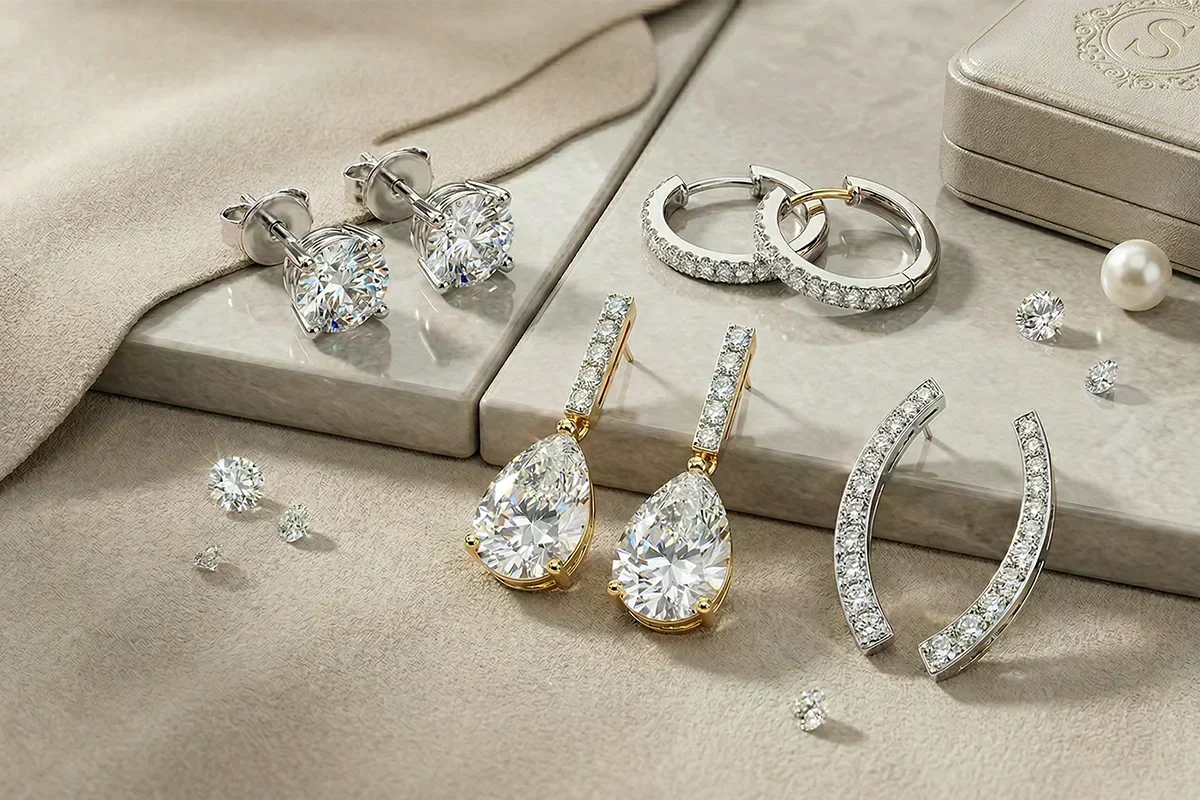
Choosing a diamond can feel difficult when every seller claims to offer the finest quality. You need clear facts instead of sales language. The good news is that lab-created diamonds follow the same grading standards as mined diamonds. That gives you a reliable way to compare stones before you buy. The best lab Grown diamonds combine excellent craftsmanship with verified quality. They should display strong brilliance, accurate proportions, and a trusted grading report. Price matters, but quality should guide your final decision. If you understand the main grading factors, you can choose a stone that matches both your style and your budget.
What Is a Lab-Created Diamond?
A lab-created diamond forms inside a controlled environment instead of underground. Advanced technology recreates the natural conditions that produce diamonds deep within the Earth. The finished stone shares the same physical, chemical, and optical properties as a natural diamond. It is not glass. It is not cubic zirconia. It is not a diamond imitation. Jewellers cut, polish, and grade these diamonds using the same standards used for mined stones. Example: A one-carat lab-created diamond and a one-carat natural diamond can receive the same cut, colour, and clarity grades.
Understand the Four Cs Before You Buy
The Four Cs remain the most reliable way to compare diamonds.
Cut
Cut has the greatest effect on sparkle. A well-cut diamond reflects light more effectively and appears brighter. Choose Excellent or Ideal cut grades whenever possible.
Colour
Diamond colour ranges from D to Z.
- D to F appears colourless.
- G to H appears nearly colourless.
- I and below may show a slight warm tint.
Many buyers find G or H offers an excellent balance between appearance and cost.
Clarity
Clarity measures tiny natural features called inclusions. Many inclusions remain invisible without magnification. Grades such as VS1, VS2, or SI1 often provide excellent value because they usually appear clean to the naked eye.
Carat Weight
Carat measures weight rather than size. A larger diamond may look impressive, but a smaller stone with a better cut often appears more brilliant.
Certification Matters More Than Brand Names
Never judge a diamond by appearance alone. A grading report gives independent information about quality. Look for certificates from respected grading laboratories.
- IGI
- GIA
- GCAL
These reports confirm the diamond's characteristics and help you compare lab diamonds different options fairly. Without certification, you must rely only on the seller's description.
How to Compare Value
Many shoppers focus only on price. That approach can lead to disappointment. Instead, compare overall quality. Ask yourself these questions.
- Does the diamond have an independent grading report?
- Is the cut grade excellent?
- Does the clarity appear clean without magnification?
- Does the colour suit your personal preference?
- Does the return policy give enough protection?
Looking at these points together helps you make a balanced decision.
Popular Diamond Shapes
Shape changes the overall appearance of a diamond. Each option creates a different style.
Round Brilliant
This shape delivers maximum sparkle and remains the most popular choice.
Oval
Oval diamonds appear longer and can make the finger look slimmer.
Princess
A square shape with sharp corners that offers a modern appearance.
Cushion
Rounded corners create a softer and more classic style.
Emerald
Large open facets highlight clarity instead of sparkle. Choose the shape that matches your personal taste instead of following trends.
Choosing the Right Ring Setting
The setting protects the diamond and influences its appearance. Common settings include:
- Solitaire for a clean and timeless look.
- Halo for extra sparkle.
- Three stone for symbolic meaning.
- Hidden halo for subtle detail.
- Bezel for added protection.
A simple setting often draws more attention to the centre stone.
Common Buying Mistakes
Many buyers rush their decision because they focus on only one feature. Avoid these mistakes.
- Buying the largest carat instead of the best cut.
- Ignoring certification.
- Choosing a colour grade you cannot actually distinguish.
- Paying extra for clarity improvements you cannot see.
- Skipping the return policy.
Small decisions can affect long-term satisfaction.
How to Care for Your Diamond
Regular cleaning keeps your jewellery looking bright. Wash it with warm water, mild soap, and a soft brush. Dry it using a lint-free cloth. Store each piece separately to reduce scratches. Have the setting checked by a jeweller every year to ensure the stone remains secure. Example: A simple five-minute cleaning at home often restores much of the diamond's original brilliance.
How to Shop With Confidence
Before making your purchase, compare several certified diamonds instead of buying the first one you see. Read the grading report carefully. Review clear photographs and videos. Check the seller's return policy. Take your time. A careful comparison usually leads to a better purchase than a quick decision. The right stone is not always the largest or the most expensive. It is the one that delivers strong quality, suits your preferences, and fits your budget.
Frequently Asked Questions
Are lab-created diamonds real diamonds?
Yes. They have the same chemical structure, hardness, and appearance as natural diamonds.
Do lab-created diamonds sparkle like natural diamonds?
Yes. Sparkle depends mainly on cut quality rather than where the diamond formed.
How do I choose the best lab grown diamonds?
Focus on cut quality, certification, colour, clarity, and your budget. Compare several certified stones before making your final decision.

 English
 Arabic
 French
 Spanish
 Portuguese
 Deutsch
 Turkish
 Dutch
Dutch
 Italiano
 Russian
 Romaian
 Portuguese (Brazil)
