


Common Asphalt Driveway Problems and How to Fix Them
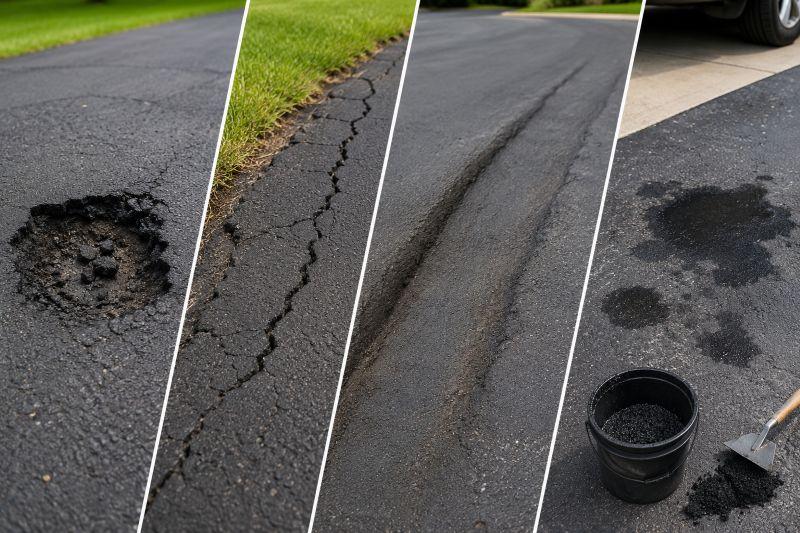
A well-built asphalt driveway is one of the most practical investments a homeowner can make. It provides a smooth driving surface, enhances curb appeal, and adds value to a property. However, even the highest-quality asphalt is exposed to weather, vehicle traffic, moisture, and aging. Over time, these factors can lead to common issues that affect both appearance and performance.
Understanding what causes driveway damage—and knowing when to repair it—can help property owners avoid expensive replacements. Whether you're dealing with small cracks or deep potholes, early intervention often extends the life of your pavement by many years.
If you're considering affordable asphalt paving Albemarle NC or need advice from an asphalt driveways expert in Albemarle NC, understanding these common problems is the first step toward protecting your investment.
Why Asphalt Driveways Develop Problems
Asphalt is flexible, making it ideal for handling changing temperatures and heavy vehicle loads. Despite its durability, it naturally deteriorates over time due to environmental and structural factors.
Some of the most common causes include:
- Water infiltration beneath the pavement
- Repeated freeze-thaw cycles
- Heavy vehicles parked in the same location
- Poor drainage
- UV exposure from sunlight
- Inadequate base preparation during installation
- Lack of routine maintenance
Many of these problems begin small and become much more expensive if ignored.
Potholes: One of the Most Noticeable Driveway Problems
Potholes are more than an inconvenience—they indicate that water has already damaged the underlying structure.
What Causes Potholes?
Potholes typically develop when moisture seeps through cracks into the base beneath the asphalt. As vehicles pass over weakened sections, the pavement eventually breaks apart.
Contributing factors include:
- Standing water
- Poor drainage
- Heavy traffic
- Aging asphalt
- Existing cracks left unrepaired
How to Fix Potholes
Repair methods depend on the size and severity.
For smaller potholes:
- Remove loose debris.
- Clean the damaged area thoroughly.
- Apply asphalt patch material.
- Compact the patch until level.
For larger potholes:
The damaged pavement should be cut out entirely. The underlying base must be repaired or replaced before new hot asphalt is installed.
Simply filling a large pothole without repairing the base often leads to recurring damage.
Preventing Future Potholes
Preventive maintenance includes:
- Sealcoating every few years
- Filling cracks promptly
- Improving drainage
- Preventing water from pooling on the driveway
Edge Cracking: A Common Warning Sign
Cracks forming along the edges of a driveway often indicate inadequate support beneath the pavement.
Why Edge Cracks Form
Unlike the center of a driveway, the edges usually experience less structural support. Over time, they can weaken because of:
- Vehicles driving too close to the edge
- Soil erosion
- Poor shoulder support
- Water washing away the base
- Tree root movement
If left untreated, edge cracks gradually widen and spread toward the center.
Repair Options
Small edge cracks can often be sealed using specialized crack-filling materials.
When edge damage becomes extensive, contractors may need to:
- Remove damaged sections
- Restore the base material
- Install new asphalt along the edges
- Improve drainage around the driveway
Preventing Edge Damage
Homeowners can reduce edge deterioration by:
- Avoiding parking directly on driveway edges
- Installing proper edging or shoulder support
- Maintaining nearby landscaping
- Directing water away from pavement
Rutting: When the Surface Begins to Sink
Rutting appears as depressions or wheel tracks where vehicles repeatedly travel.
Unlike surface cracks, rutting usually signals deeper structural issues.
Common Causes of Rutting
Several factors contribute to rut formation:
- Weak foundation
- Poor compaction during installation
- Heavy commercial vehicles
- Soft subgrade
- Inadequate pavement thickness
Rutting allows water to collect in depressions, accelerating additional damage.
Repair Solutions
Minor rutting may be corrected through resurfacing if the foundation remains stable.
Severe rutting often requires:
- Milling damaged asphalt
- Repairing the underlying base
- Installing fresh asphalt
- Compacting to proper density
Professional evaluation helps determine whether resurfacing or reconstruction is the better long-term solution.
Oil Stains: More Than a Cosmetic Issue
Many homeowners assume oil stains are only an appearance problem. In reality, petroleum products slowly soften asphalt.
Why Oil Damages Asphalt
Motor oil, transmission fluid, gasoline, and hydraulic fluids break down the binding agents within asphalt.
Over time, affected areas become:
- Soft
- Brittle
- More susceptible to cracking
- Easier to damage under vehicle weight
Removing Oil Stains
Fresh stains are much easier to treat.
Effective cleaning methods include:
- Absorb excess oil immediately
- Apply degreasing cleaner
- Scrub with a stiff brush
- Rinse thoroughly
Older stains may require commercial cleaning products designed specifically for asphalt.
If oil has penetrated deeply into the pavement, replacing the damaged section may become necessary.
Cracks Should Never Be Ignored
Even hairline cracks deserve attention.
Small openings allow water to enter beneath the surface, where it weakens the base and accelerates deterioration.
Common crack types include:
Longitudinal Cracks
These run parallel to the driveway and often result from pavement movement or construction joints.
Transverse Cracks
Running across the driveway, these usually develop because of temperature changes and aging.
Alligator Cracking
This distinctive pattern resembles reptile skin and usually indicates structural failure beneath the surface.
Unlike simple surface cracks, alligator cracking generally requires removing and replacing the affected area.
Drainage Plays a Major Role
Poor drainage contributes to nearly every major asphalt problem.
Water should always flow away from the driveway rather than collecting on its surface.
Professional contractors evaluate:
- Driveway slope
- Nearby grading
- Downspout placement
- Drainage channels
- Surface runoff
Correcting drainage often prevents recurring repairs.
Seasonal Maintenance Helps Extend Pavement Life
Routine maintenance significantly reduces long-term repair costs.
Recommended maintenance includes:
Spring
Inspect for winter damage.
Look for:
- New cracks
- Standing water
- Surface wear
Summer
Warm temperatures make this an excellent time for:
- Sealcoating
- Crack filling
- Surface repairs
Fall
Clear leaves and debris to prevent moisture buildup before winter.
Winter
Avoid using metal snowplows directly on asphalt whenever possible, and remove snow before ice forms.
Real-World Example
A homeowner in a residential neighborhood noticed several small cracks near the entrance of their asphalt driveway. Since the cracks seemed minor, they postponed repairs for two years.
Rainwater gradually entered the pavement, weakening the gravel base beneath. Eventually, small potholes appeared, followed by rutting where vehicles entered the driveway daily.
Instead of paying for inexpensive crack sealing early on, the homeowner ultimately required partial reconstruction of the driveway foundation—a repair that cost significantly more than routine maintenance would have.
This situation illustrates why addressing minor damage promptly often saves thousands of dollars over the life of a driveway.
When Repairs Are No Longer Enough
While many problems can be repaired, there comes a point when replacement becomes the better investment.
Signs your driveway may need replacement include:
- Extensive alligator cracking
- Numerous potholes
- Widespread rutting
- Severe drainage issues
- Repeated repairs in the same areas
- Asphalt older than 20 years with significant deterioration
A qualified contractor can assess whether resurfacing, partial reconstruction, or complete replacement offers the best value.
Choosing an Experienced Asphalt Contractor
Proper installation has a major impact on how long a driveway lasts.
When selecting a contractor, homeowners should look for:
- Years of Experience
- Reliable workmanship
- Proper site preparation
- High-quality asphalt materials
- Appropriate compaction equipment
- Proven installation methods
- Transparent estimates
- Positive local reputation
Choosing an asphalt driveways expert in Albemarle NC ensures the project begins with a solid foundation rather than temporary fixes that fail prematurely.
Why Professional Maintenance Pays Off
Many driveway issues develop gradually over several years. Routine inspections and timely repairs help maximize pavement lifespan while maintaining property value.
Working with a company experienced in affordable asphalt paving Albemarle NC allows homeowners to address problems before they require major reconstruction. Professional maintenance not only improves appearance but also protects the structural integrity of the entire driveway.
For homeowners seeking dependable paving solutions, J T Lisk Inc provides professional asphalt services backed by industry knowledge, quality craftsmanship, and a commitment to long-lasting results. Whether repairing isolated damage or installing a brand-new driveway, investing in expert workmanship today helps prevent costly repairs tomorrow.

 English
 Arabic
 French
 Spanish
 Portuguese
 Deutsch
 Turkish
 Dutch
Dutch
 Italiano
 Romaian
 Portuguese (Brazil)
 Greek
Greek
