


Atlas Mountains Wildlife, Landscapes, and Natural Wonders
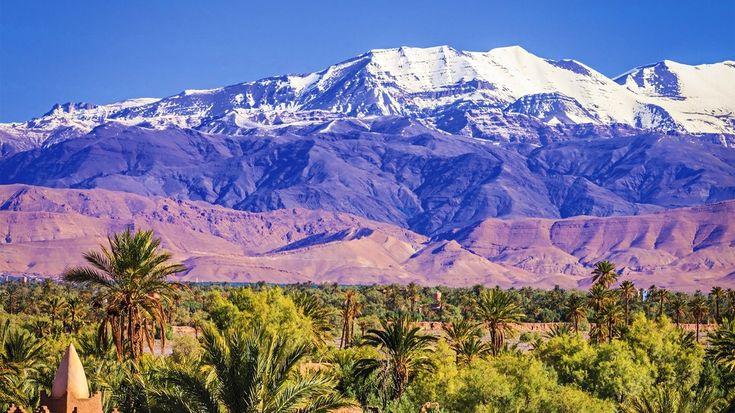
The Atlas region is one of North Africa’s most fascinating natural treasures. Stretching across Morocco, Algeria, and Tunisia, this mountain system offers an extraordinary blend of towering peaks, deep valleys, lush forests, dramatic cliffs, and unique wildlife.
Travelers, photographers, hikers, and nature enthusiasts are drawn to the area because every season reveals a different side of its beauty. Snow-covered summits in winter transform into green meadows during spring, while autumn paints forests with warm colors and summer brings clear skies perfect for exploration.
For anyone planning a journey, studying the geography beforehand is helpful. Looking at a map of the Atlas Mountains in Africa provides a clear understanding of how the range connects different landscapes, climates, and ecosystems across North Africa.
A Landscape Shaped by Nature
Over millions of years, geological activity created rugged mountains, rolling plateaus, winding river valleys, and steep canyons. These formations have influenced local weather patterns and created habitats for a remarkable variety of plants and animals.
The Atlas Mountains are home to North Africa's highest peak, Mount Toubkal, which rises more than 4,000 meters above sea level. Higher elevations receive snowfall during winter, while lower slopes enjoy mild temperatures that support forests, orchards, and traditional farming communities.
The diversity of terrain means visitors can experience dense cedar forests, rocky cliffs, open grasslands, and peaceful alpine lakes all within relatively short distances.
Incredible Wildlife Across the Region
One of the greatest attractions of this mountain range is its biodiversity. Many species have adapted to the changing elevations and climates found throughout the region.
Among the most famous residents is the endangered Barbary macaque. These intelligent primates live mainly in cedar and oak forests, where they spend much of their day searching for fruits, seeds, leaves, and insects. Watching them in their natural habitat is a memorable experience, especially for wildlife photographers.
Bird enthusiasts also appreciate the region's rich avian life. Eagles soar above mountain ridges, while falcons, vultures, owls, and numerous migratory birds can be spotted throughout the year. Rivers and wetlands attract waterfowl during seasonal migrations.
Other mammals found throughout the mountains include:
· Wild boar
· Barbary sheep
· Red foxes
· Golden jackals
· African wildcats
· Small rodents and hedgehogs
Although elusive, these animals play an essential role in maintaining healthy ecosystems.
Forests That Support Life
The mountain forests represent some of the most important natural habitats in North Africa. Ancient cedar forests dominate many higher elevations, while oak, pine, and juniper trees thrive in surrounding areas.
These forests provide shelter for wildlife, protect soil from erosion, regulate water supplies, and contribute to cleaner air. During spring, colorful wildflowers bloom beneath the trees, creating spectacular scenery that attracts hikers and botanists alike.
Conservation organizations continue working to preserve these forests against threats such as climate change, illegal logging, and expanding human development.
Rivers, Valleys, and Hidden Waterfalls
Snowmelt from the highest peaks feeds rivers that carve impressive valleys through the landscape. These waterways provide essential freshwater for nearby villages and agricultural lands.
Many valleys feature small waterfalls hidden among rocky cliffs and green vegetation. Some remain relatively unknown, rewarding adventurous travelers willing to explore beyond the popular tourist routes.
Traditional villages often overlook these river systems, creating picturesque scenes where terraced farms blend naturally with surrounding mountains.
Examining a map of the Atlas Mountains in Africa helps visitors identify river networks, mountain passes, protected parks, and scenic routes before beginning their adventure.
Plants That Thrive in Harsh Conditions
Plant life changes dramatically with elevation. Lower regions support olive groves, almond trees, and aromatic herbs, while higher slopes feature hardy shrubs capable of surviving harsh winters and strong mountain winds.
Wildflowers bloom in abundance during spring, covering meadows with brilliant shades of purple, yellow, red, and white. Medicinal herbs have also been collected by local communities for generations, contributing to traditional healthcare practices.
Many endemic plant species exist only within this mountain environment, making conservation especially important for preserving regional biodiversity.
Seasonal Beauty Throughout the Year
Every season transforms the landscape in unique ways.
Spring
Spring is perhaps the most colorful time to visit. Melting snow feeds rivers, valleys turn green, and wildflowers bloom across hillsides. Mild temperatures create excellent conditions for hiking and wildlife observation.
Summer
Higher elevations remain pleasantly cool despite warmer temperatures elsewhere. Clear skies provide breathtaking panoramic views that stretch for miles across valleys and distant plains.
Autumn
Golden leaves cover forests while harvest season brings activity to mountain villages. Cooler temperatures make outdoor exploration comfortable, and photographers enjoy the vibrant seasonal colors.
Winter
Heavy snowfall blankets the highest peaks, creating dramatic scenery unlike much of North Africa. Snow-covered landscapes attract winter hikers and adventurous travelers seeking a different perspective of the mountains.
Natural Wonders Worth Exploring
Beyond wildlife and forests, the region contains countless geological attractions.
Massive limestone cliffs rise above deep gorges carved by rivers over thousands of years. Natural caves reveal fascinating rock formations created by underground water systems. High-altitude plateaus provide sweeping panoramic views that seem endless on clear days.
Rock formations shaped by wind and rain often resemble towers, arches, or giant sculptures, making them favorite destinations for landscape photographers.
The combination of rugged mountains, fertile valleys, and dramatic canyons creates an environment that feels both ancient and untouched.
Protecting a Valuable Ecosystem
Despite their beauty, these natural environments face growing environmental challenges. Rising temperatures, prolonged droughts, habitat fragmentation, and increasing tourism all place pressure on local ecosystems.
Governments, conservation groups, and local communities have introduced protected parks, wildlife reserves, and sustainable tourism initiatives to preserve biodiversity while supporting local economies.
Visitors can contribute by staying on designated trails, avoiding litter, respecting wildlife, and supporting locally owned accommodations and guides committed to environmentally responsible practices.
Simple choices made by travelers help ensure these remarkable landscapes remain healthy for future generations.
Planning a Nature-Focused Adventure
Exploring this mountain region offers opportunities suitable for many types of travelers. Hiking trails range from easy valley walks to challenging summit climbs. Birdwatching, photography, camping, and cultural experiences in traditional villages all add depth to the journey.
Before traveling, reviewing a map of the Atlas Mountains in Africa makes route planning easier and helps identify national parks, scenic viewpoints, hiking trails, and nearby attractions. Understanding the geography also allows visitors to appreciate how different ecosystems connect across the mountain range.
Final Thoughts
The Atlas Mountains represent far more than a chain of peaks. They are a living landscape filled with diverse wildlife, ancient forests, spectacular valleys, dramatic cliffs, and breathtaking natural scenery. Every visit offers opportunities to discover unique ecosystems, observe fascinating animal species, and experience landscapes that have evolved over millions of years.
Whether you're seeking outdoor adventure, wildlife encounters, or peaceful moments surrounded by nature, this remarkable region delivers unforgettable experiences.
Its combination of ecological diversity, geological wonders, and timeless beauty continues to inspire travelers from around the world while reminding us of the importance of protecting one of North Africa's greatest natural treasures.

 English
 Arabic
 French
 Portuguese
 Deutsch
 Turkish
 Dutch
Dutch
 Italiano
 Russian
 Romaian
 Portuguese (Brazil)
 Greek
Greek
