


200 and 300 Hour Yoga Teacher Training Course: Which One Is Right for You?
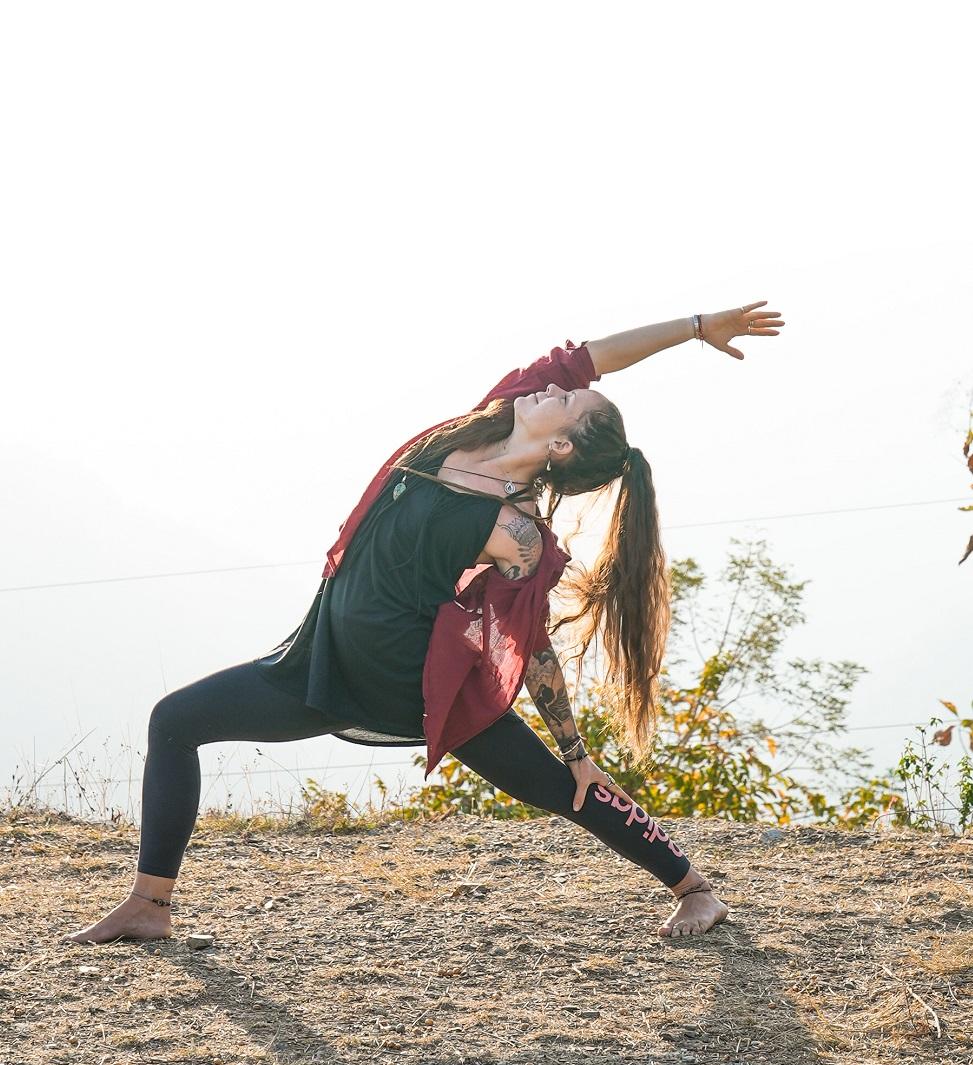
Choosing between a 200 hour and 300 hour yoga teacher training course can feel confusing, especially when you are still exploring your path as a yoga practitioner or teacher.
Both courses offer valuable learning, but they are designed for different levels. A 200 hour course builds the foundation, while a 300 hour course helps certified teachers deepen their knowledge, teaching skills, and personal practice.
Understanding the difference can help you choose the course that suits your experience and future goals.
What Is a 200 Hour Yoga Teacher Training Course?
A 200 hour yoga teacher training course Rishikesh is the starting point for most aspiring yoga teachers. It is a foundational program suitable for beginners, regular practitioners, and anyone who wants to understand yoga beyond physical postures.
You do not need to be highly flexible or able to perform advanced asanas before joining. However, having some regular yoga practice is helpful because the schedule can be physically and mentally demanding.
The course generally includes:
- Hatha Yoga
- Ashtanga Vinyasa or Vinyasa Flow
- Pranayama
- Meditation
- Yoga philosophy
- Anatomy and physiology
- Alignment and adjustment
- Teaching methodology
- Yoga sequencing
- Mantra chanting
- Yogic cleansing practices
- Practical teaching sessions
The main aim is to help students build a safe personal practice and understand how to guide basic yoga class.
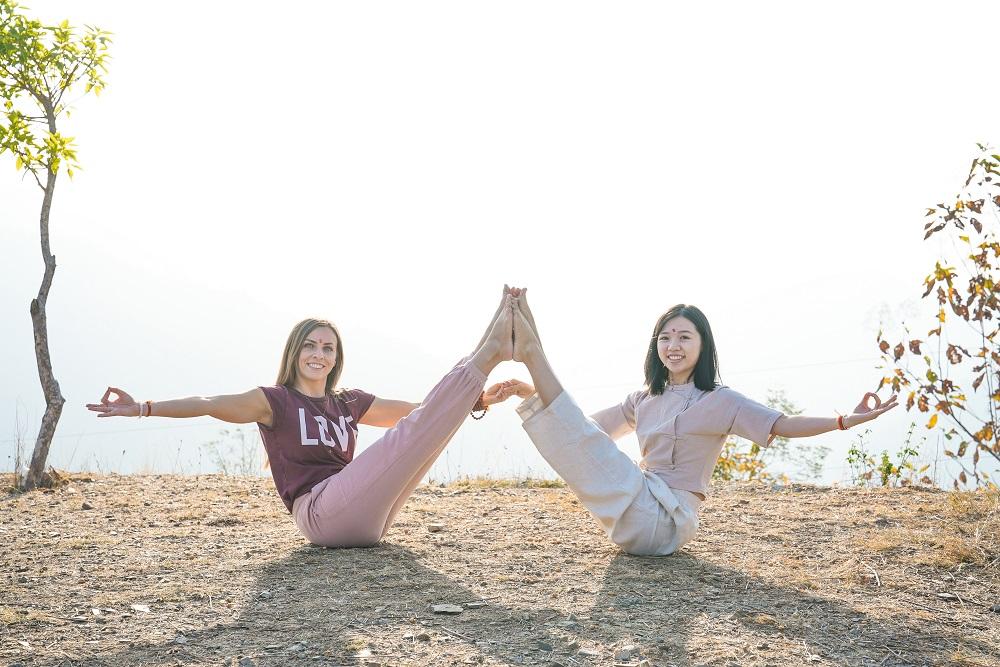
Who Should Join a 200 Hour Yoga Course?
A 200 hour course is suitable for people who:
- Want to become certified yoga teachers
- Have never completed a teacher training before
- Want to deepen their personal yoga practice
- Are interested in philosophy, meditation, and breathwork
- Want to understand correct alignment and safe practice
- Are looking for a structured introduction to traditional yoga
Many students join with the goal of teaching, while others attend only for personal growth. It is not compulsory to become a teacher after completing the training.
What Is a 300 Hour Yoga Teacher Training Course?
A 300 hour yoga teacher training course Rishikesh is an advanced-level program designed for students who have already completed a 200 hour yoga teacher training.
It builds on the knowledge learned in the foundational course and explores yoga in greater depth. The course usually includes more advanced asana practice, detailed philosophy, deeper pranayama techniques, teaching practice, and advanced sequencing.
A 300 hour course may cover:
- Advanced Hatha and Ashtanga Yoga
- Advanced alignment and adjustment
- Pranayama with bandhas and mudras
- Meditation techniques
- Yoga Nidra
- Advanced anatomy and biomechanics
- Yoga philosophy and classical texts
- Teaching methodology
- Advanced sequencing
- Yoga therapy principles
- Supervised teaching practice
- Injury prevention and modifications
The course is not only about learning difficult postures. It is mainly about becoming a more knowledgeable, responsible, and confident yoga teacher.
Who Should Join a 300 Hour Yoga Course?
A 300 hour course is suitable for students who:
- Have completed a 200 hour yoga teacher training
- Want to improve their teaching confidence
- Want to study advanced yoga philosophy
- Are interested in teaching different levels of students
- Want to learn advanced sequencing and modifications
- Wish to deepen their pranayama and meditation practice
- Want to continue toward a 500 hour qualification
Some teachers join a 300 hour course after teaching for a few years, while others continue soon after completing their 200 hour training. Both options can work, depending on the student’s practice, confidence, and readiness.
Difference Between 200 and 300 Hour Yoga Teacher Training
The main difference is the level of study.
A 200 hour course introduces the basic principles of yoga and teaching. Students learn how to practise safely, create a simple class, understand basic anatomy, and teach beginner-level students.
A 300 hour course goes deeper. It focuses on advanced practice, detailed philosophy, refined teaching skills, complex sequencing, and a better understanding of individual student needs.
In simple words:
- A 200 hour course creates the foundation.
- A 300 hour course develops and strengthens that foundation.
Together, both courses make a total of 500 hours of yoga teacher training.
What Can You Expect During the Training?
Both 200 and 300 hour yoga teacher training courses usually follow a disciplined daily routine.
The day may begin early with pranayama, meditation, or asana practice. After breakfast, students normally attend theory classes such as yoga philosophy, anatomy, or teaching methodology.
Afternoon and evening sessions may include alignment, adjustment, advanced asana practice, meditation, teaching practice, or group discussion.
The schedule can be intense because students study and practise for several hours each day. Rest, hydration, proper food, and listening to the body are important throughout the course.
Is a 300 Hour Course More Physically Difficult?
A 300 hour course is generally more advanced, but that does not mean every student must perform complicated poses.
The training may include stronger practices, advanced variations, and longer sessions. However, a good school should also teach modifications, safe progression, and respect for individual limitations.
The purpose is not to compete with other students. It is to understand the body, improve teaching awareness, and learn how to guide students safely.
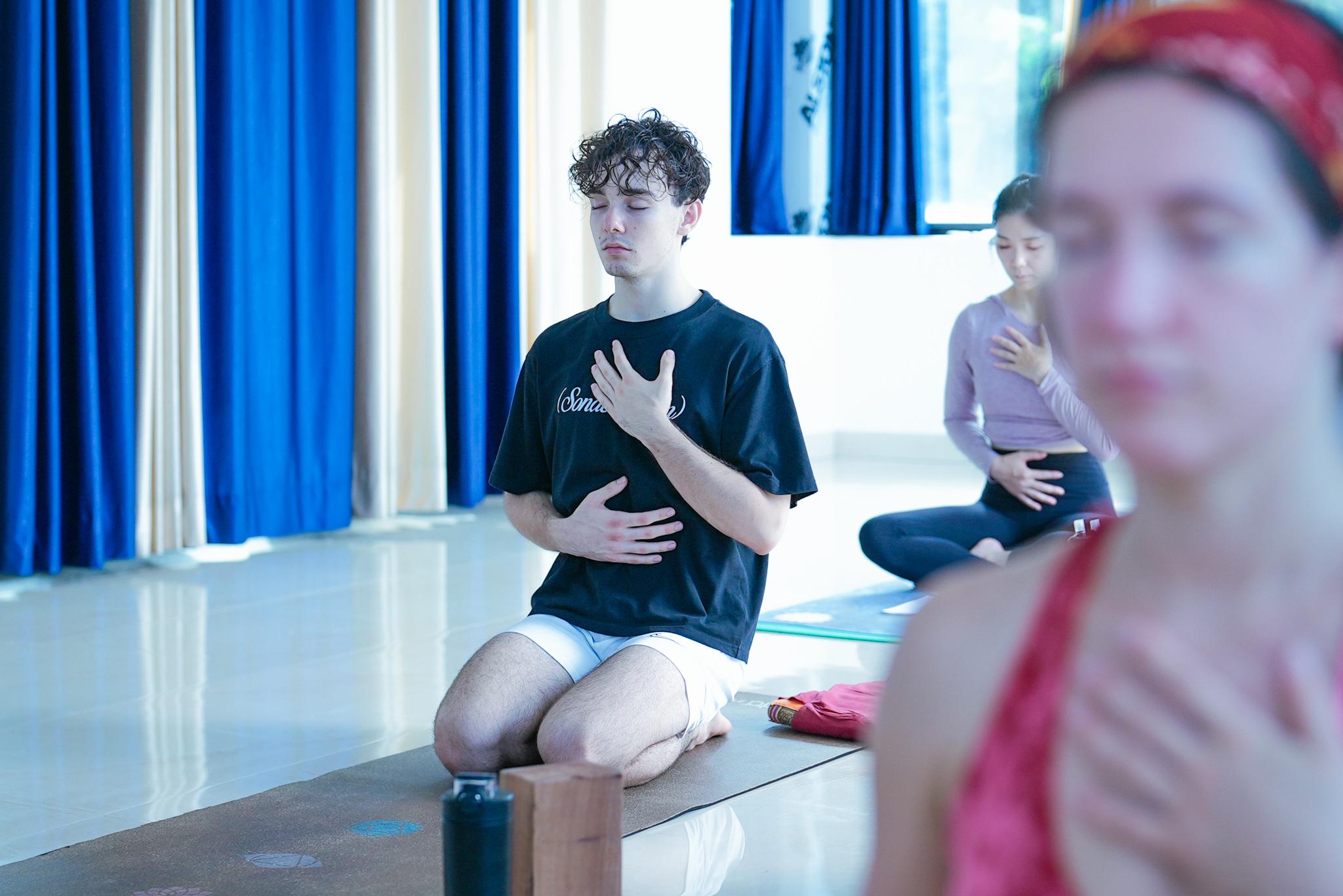
Can You Teach After a 200 Hour Course?
Yes, many students begin teaching after completing a 200 hour yoga teacher training.
However, completing the course is only the beginning. Confidence develops through regular practice, continued study, observation, and real teaching experience.
A new teacher may start with friends, small groups, online sessions, or beginner-level classes before moving toward larger groups or more advanced students.
Why Continue with a 300 Hour Course?
After teaching for some time, many yoga teachers realise that there is still much more to learn.
They may feel unsure about sequencing, correcting alignment, managing injuries, teaching mixed-level classes, or explaining yoga philosophy clearly.
A 300 hour course provides more time to explore these areas. It can help teachers become more adaptable and understand that every student has a different body, background, and learning pace.
Choosing the Right Yoga School
Whether you choose a 200 or 300 hour yoga teacher training course, the quality of the school matters.
Before booking, check:
- Teacher experience and qualifications
- Course curriculum
- Daily schedule
- Class size
- Student reviews
- Accommodation and food
- Teaching practice opportunities
- Certification details
- Refund and rescheduling policies
- Support provided during the course
Avoid choosing a course only because it is cheap. Teacher quality, personal attention, safety, and the learning environment can make a major difference.
200 and 300 Hour Yoga Teacher Training in India
India remains one of the most popular destinations for yoga teacher training because yoga is taught here as more than physical exercise.
Students often study asana, pranayama, meditation, philosophy, discipline, and yogic lifestyle together.
Popular destinations for yoga teacher training in India include Rishikesh, Goa, Kerala, Dharamshala, and Mysore. Each place offers a different atmosphere, so students should choose according to their learning goals and personal preferences.
Final Thoughts
A 200 hour yoga teacher training course is the right choice for anyone beginning their journey as a yoga teacher. It provides the basic knowledge and practical skills needed to understand and teach yoga safely.
A 300 hour yoga teacher training course is suitable for certified teachers who want to deepen their practice, expand their knowledge, and become more confident in guiding different students.
There is no need to rush from one course to the next. Take time to practise, teach, observe, and understand what you want to learn further.
Yoga teacher training is not only about collecting certificates. It is a continuous process of learning, practising, teaching, and growing.

 English
 Arabic
 French
 Spanish
 Portuguese
 Turkish
 Dutch
Dutch
 Italiano
 Russian
 Romaian
 Portuguese (Brazil)
 Greek
Greek
