


Managing Endometriosis Expert Care from a Trusted Women's Health Doctor in Raleigh
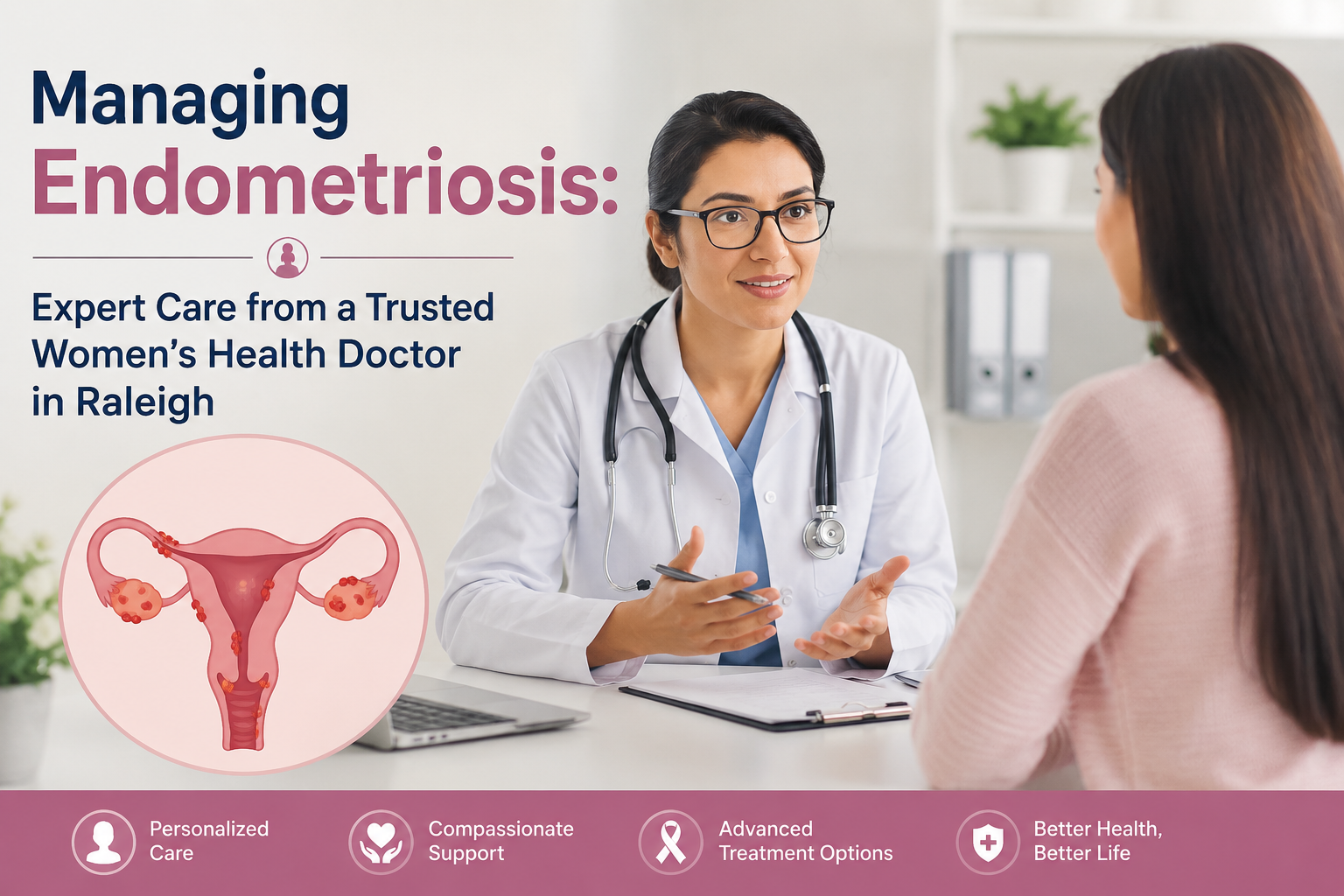
Endometriosis is a common yet often misunderstood condition that affects millions of women worldwide. It can cause chronic pelvic pain, painful menstrual cycles, fatigue, and even fertility challenges, significantly impacting daily life. Although symptoms vary from person to person, early diagnosis and appropriate treatment can improve quality of life and help prevent complications.
Seeking care from a Trusted Women's Health Doctor in Raleigh ensures that women receive personalized evaluations, accurate diagnoses, and treatment plans designed to address their unique health needs.
What Is Endometriosis?
Endometriosis occurs when tissue similar to the lining of the uterus grows outside the uterus. These growths may develop on the ovaries, fallopian tubes, pelvic lining, or nearby organs. Like the uterine lining, this tissue responds to hormonal changes during the menstrual cycle, but it has no natural way to leave the body.
Over time, this can lead to inflammation, scar tissue, adhesions, and persistent discomfort.
Common Symptoms of Endometriosis
Symptoms can range from mild to severe, and some women may experience symptoms that interfere with work, school, or everyday activities.
Common signs include:
-
Severe menstrual cramps
-
Chronic pelvic pain
-
Pain during or after intercourse
-
Heavy menstrual bleeding
-
Pain during bowel movements or urination
-
Fatigue
-
Bloating
-
Difficulty becoming pregnant
Because these symptoms may resemble other medical conditions, professional evaluation is important for an accurate diagnosis.
What Causes Endometriosis?
Although the exact cause remains unknown, researchers believe several factors may contribute to the development of endometriosis.
Possible risk factors include:
-
Family history of endometriosis
-
Hormonal imbalances
-
Retrograde menstruation
-
Immune system disorders
-
Early onset of menstruation
-
Short menstrual cycles
Understanding these risk factors helps healthcare providers develop individualized treatment plans based on each patient's medical history.
How Is Endometriosis Diagnosed?
Diagnosing endometriosis often begins with a detailed discussion about symptoms, menstrual history, and overall health.
A healthcare provider may recommend:
Comprehensive Medical Evaluation
A complete review of symptoms helps identify patterns that may indicate endometriosis.
Pelvic Examination
A physical examination may identify tenderness or abnormalities within the pelvic region.
Imaging Studies
Ultrasound or MRI may help identify ovarian cysts or other abnormalities associated with endometriosis.
Minimally Invasive Procedures
In certain situations, laparoscopy may be recommended to confirm the diagnosis and assess the severity of the condition.
Early diagnosis often allows treatment to begin before symptoms become more severe.
Treatment Options for Endometriosis
Treatment depends on symptom severity, age, overall health, and future pregnancy plans.
Common treatment approaches include:
Pain Management
Medications may help reduce inflammation and improve comfort during menstrual cycles.
Hormonal Therapy
Hormonal medications can reduce or slow the growth of endometrial tissue while helping control symptoms.
Lifestyle Modifications
Regular exercise, stress management, balanced nutrition, and adequate sleep may support overall health and symptom management.
Surgical Treatment
For severe cases, surgery may be recommended to remove endometrial tissue while preserving healthy reproductive organs whenever possible.
Every treatment plan should be tailored to the patient's individual needs and long-term health goals.
Why Early Medical Care Matters
Many women assume painful menstrual cycles are normal and delay seeking medical attention. Unfortunately, untreated endometriosis may worsen over time and increase the risk of complications, including chronic pain and fertility challenges.
Consulting an Expert Women's Health Doctor in Raleigh allows patients to receive timely evaluations, explore available treatment options, and develop a personalized care plan before symptoms significantly affect their quality of life.
Living Well with Endometriosis
Although endometriosis is a chronic condition, many women successfully manage their symptoms through ongoing medical care and healthy lifestyle choices.
Helpful habits include:
-
Maintaining regular medical appointments
-
Following prescribed treatment plans
-
Eating a nutritious, anti-inflammatory diet
-
Exercising regularly
-
Managing stress effectively
-
Getting adequate sleep
-
Tracking menstrual symptoms
Consistent care helps improve symptom control and supports overall well-being.
Supporting Women's Health Beyond Endometriosis
Women's healthcare extends beyond treating individual conditions. Preventive screenings, annual wellness exams, reproductive health services, and chronic disease management all contribute to long-term wellness.
Receiving care through a Trusted Raleigh Primary Care & Women's Clinic provides patients with comprehensive healthcare services that address both immediate concerns and future health goals in one supportive setting.
Final Thoughts
Endometriosis can affect physical health, emotional well-being, and everyday life, but early diagnosis and personalized treatment can make a meaningful difference. Understanding your symptoms and seeking professional medical care are important steps toward improving long-term health and quality of life. Satyam Primary Care is committed to providing compassionate, patient-centered women's healthcare in Raleigh, helping women receive the guidance, support, and personalized treatment they need at every stage of life.

 English
 Arabic
 French
 Spanish
 Portuguese
 Deutsch
 Turkish
 Dutch
Dutch
 Italiano
 Russian
 Romaian
 Greek
Greek
