


IP Camera Image Tuning Explained | Improve CCTV Image Quality for Better Surveillance
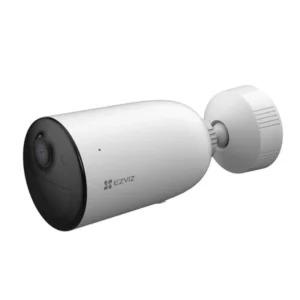
Modern surveillance systems have advanced far beyond simple video recording. Today's IP camera technology offers intelligent image tuning features that help produce clear, detailed footage in a wide range of lighting and weather conditions. Whether installed in a home, office, warehouse, retail store, or industrial facility, proper image tuning can significantly improve monitoring performance.
Many users focus on camera resolution when selecting surveillance equipment, but image quality depends on much more than megapixels. Settings such as brightness, contrast, exposure, white balance, sharpness, and Wide Dynamic Range (WDR) all work together to create a balanced image. Understanding these adjustments helps users maximize the performance of their surveillance system without replacing existing equipment.
This guide explains the most important image tuning features available in modern IP surveillance systems and how each one contributes to better security monitoring.
What Is Image Tuning?
Image tuning is the process of adjusting a camera's internal image-processing settings to improve video quality under different environmental conditions.
Every location presents unique challenges. A parking area may experience intense sunlight during the day, while an office entrance may have poor lighting at night. Instead of relying on factory settings, image tuning allows cameras to adapt to these changing conditions.
Proper tuning improves visibility, enhances recorded evidence, and helps operators recognize faces, vehicles, and important details more accurately.
Why Image Tuning Matters
Even high-resolution security cameras may produce poor footage if image settings are not configured correctly.
Proper tuning helps achieve:
-
Better facial recognition
-
Improved vehicle identification
-
Clearer night recording
-
Reduced glare
-
More accurate colors
-
Balanced brightness
-
Improved detail in dark areas
-
More reliable surveillance evidence
A properly adjusted camera can often outperform a higher-resolution camera that has been poorly configured.
Understanding Brightness
Brightness controls the overall light level in the image.
If brightness is too low, important details disappear in dark areas. If it is too high, bright objects lose detail and appear washed out.
The ideal brightness setting depends on the installation environment.
For indoor locations with stable lighting, only small adjustments are usually necessary. Outdoor installations may require seasonal adjustments due to changing daylight conditions.
The Role of Contrast
Contrast determines the difference between bright and dark areas within the image.
Higher contrast creates more separation between objects, making edges easier to identify. However, excessive contrast may hide details in shadows or overexposed areas.
Balanced contrast improves visibility while maintaining natural image quality.
Sharpness Adjustment
Sharpness enhances object edges and fine details.
Increasing sharpness can improve the visibility of:
-
License plates
-
Faces
-
Clothing
-
Vehicle markings
-
Building numbers
However, excessive sharpening introduces unwanted digital noise and artificial outlines.
Moderate sharpness settings usually produce the most natural-looking video.
Exposure Control
Exposure determines how much light reaches the camera sensor.
Proper exposure ensures that images remain balanced under different lighting conditions.
If exposure is too long:
-
Moving objects appear blurry.
-
Fast-moving vehicles become difficult to identify.
If exposure is too short:
-
Images become too dark.
-
Fine details disappear.
Most modern cameras automatically adjust exposure, but manual settings may provide better results in specialized installations.
White Balance Explained
Different light sources produce different color temperatures.
For example:
-
Sunlight appears cooler.
-
Incandescent bulbs produce warmer tones.
-
LED lighting varies depending on the manufacturer.
White balance corrects these color differences so that white objects appear truly white.
Accurate white balance improves color consistency and assists with object identification during investigations.
Understanding Wide Dynamic Range (WDR)
Wide Dynamic Range is one of the most valuable image tuning features.
WDR balances extremely bright and dark areas within the same scene.
It is particularly useful when monitoring:
-
Building entrances
-
Glass doors
-
Parking exits
-
Reception areas
-
Loading docks
Without WDR, people standing in front of bright sunlight often appear as dark silhouettes.
With proper WDR settings, both the person and the bright background remain visible.
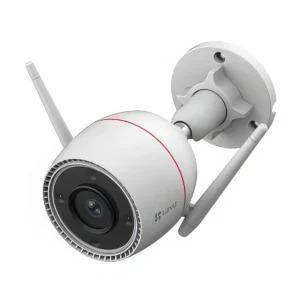
Digital Noise Reduction
Low-light environments often produce digital image noise.
Noise appears as random colored dots or grain across the image.
Digital Noise Reduction (DNR) minimizes these unwanted artifacts while preserving important details.
Benefits include:
-
Cleaner nighttime video
-
Improved recording quality
-
Reduced storage consumption
-
Better image clarity
Balanced DNR settings provide the best results without making moving objects appear blurry.
Backlight Compensation
Backlight occurs when a strong light source is positioned behind the subject.
Examples include:
-
Sunlight through windows
-
Vehicle headlights
-
Bright entrance lighting
Backlight Compensation adjusts image exposure to improve the visibility of foreground objects.
This feature is especially useful in reception areas and building entrances.
Color Saturation
Color saturation controls the intensity of colors.
Higher saturation produces more vibrant images.
Lower saturation creates softer, more neutral colors.
Excessive saturation may distort natural colors, while insufficient saturation can make images appear dull.
Balanced saturation improves both live viewing and recorded evidence.
Gamma Correction
Gamma adjustment controls midtone brightness without significantly affecting shadows or highlights.
Proper gamma settings improve visibility in:
-
Hallways
-
Staircases
-
Underground parking areas
-
Storage rooms
This adjustment helps reveal details that might otherwise remain hidden.
Image Rotation and Orientation
Certain installations require cameras to be mounted upside down or on angled surfaces.
Image rotation allows users to correct the viewing orientation without physically repositioning the camera.
This feature simplifies installation while maintaining proper image alignment.
Many buyers compare the IP camera price before making a purchase. While budget is important, image quality, software capabilities, and long-term reliability should also influence the final decision.
Day and Night Image Profiles
Many surveillance systems automatically switch between daytime and nighttime image settings.
During daylight:
-
Faster shutter speeds
-
Lower image gain
-
Natural color recording
During nighttime:
-
Increased sensitivity
-
Infrared activation
-
Optimized exposure
-
Enhanced noise reduction
Automatic profile switching ensures consistent image quality throughout the day.
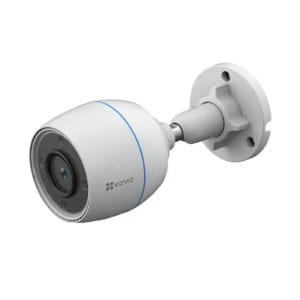
Motion Optimization
Busy environments often contain fast-moving people or vehicles.
Proper motion tuning minimizes blur while maintaining image clarity.
This is particularly important for:
-
Parking lots
-
Highways
-
Retail stores
-
School entrances
-
Industrial facilities
Well-balanced motion settings improve both live monitoring and recorded evidence.
Image Tuning for Outdoor Installations
Outdoor cameras face changing environmental conditions every day.
Rain, fog, dust, sunlight, and seasonal weather all influence image quality.
Routine image adjustments help maintain reliable surveillance performance throughout the year.
Regular inspections ensure cameras continue producing clear images despite environmental changes.
Common Image Tuning Mistakes
Many users rely entirely on factory default settings.
Some common mistakes include:
-
Excessive brightness
-
Very high sharpness
-
Overuse of digital noise reduction
-
Poor white balance
-
Ignoring seasonal lighting changes
-
Incorrect exposure settings
-
Leaving WDR disabled in high-contrast areas
Avoiding these mistakes improves overall surveillance performance.
Best Practices for Image Tuning
To achieve the best results, follow these recommendations:
-
Test image quality during both day and night.
-
Adjust settings gradually rather than making large changes.
-
Review recorded footage after every adjustment.
-
Clean the camera lens regularly.
-
Recheck settings after seasonal weather changes.
-
Keep firmware updated to access improved image processing features.
-
Evaluate performance in actual surveillance conditions instead of relying only on live previews.
These practices help maintain consistent image quality throughout the year.
Choosing the Right IP Camera
Image tuning is only one part of selecting the right surveillance equipment.
When comparing different models, consider:
-
Image sensor quality
-
Resolution
-
Night vision capability
-
WDR performance
-
Smart detection features
-
Weather resistance
-
Video compression technology
-
Remote monitoring options
Likewise, those evaluating the IP camera price in Pakistan should compare features that directly affect surveillance performance rather than focusing solely on initial cost.

 English
 French
 Spanish
 Portuguese
 Deutsch
 Turkish
 Dutch
Dutch
 Italiano
 Russian
 Romaian
 Portuguese (Brazil)
 Greek
Greek
