


Radon Mitigation Services for Safer Homes Today
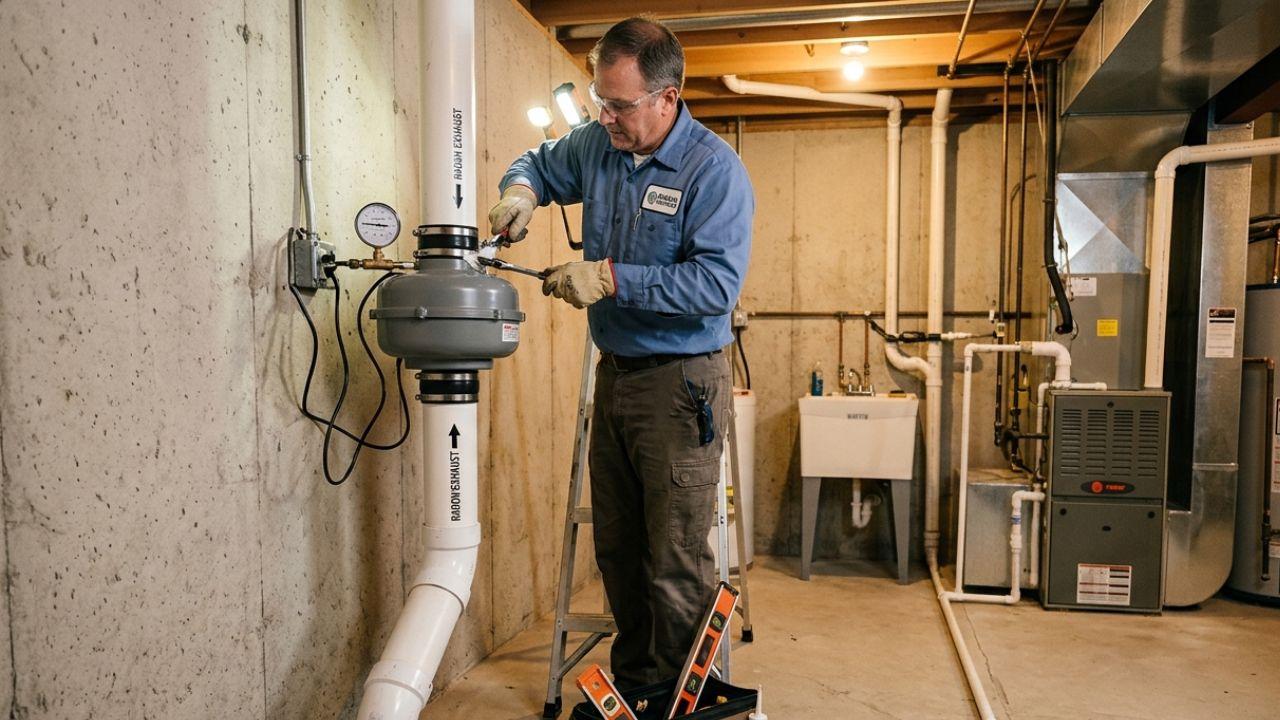
Radon is a naturally occurring radioactive gas that forms from the breakdown of uranium in soil, rock, and water. It is invisible, odorless, and tasteless, making it nearly impossible to detect without specialized testing. Despite its subtle presence, radon is a serious health concern and is recognized as one of the leading causes of lung cancer worldwide.
This is where radon mitigation services play a critical role. These professional services are designed to reduce radon levels in residential and commercial buildings, ensuring a safer and healthier indoor environment. In this article, we will explore what radon mitigation services are, how they work, why they are important, and how homeowners can benefit from them.
What Is Radon and Why Is It Dangerous
Radon gas enters buildings through cracks in foundations, gaps around pipes, construction joints, and other openings. Once inside, it can accumulate to dangerous levels, especially in poorly ventilated spaces such as basements and crawl spaces.
The primary risk associated with radon exposure is lung cancer. Long-term exposure to high radon levels significantly increases the risk, particularly for smokers. Because radon cannot be seen or smelled, many homeowners are unaware of its presence until proper testing is conducted.
What Are Radon Mitigation Services
Radon mitigation services refer to a set of professional techniques used to reduce radon concentrations in indoor spaces. These services typically begin with testing and assessment, followed by the design and installation of a mitigation system tailored to the property.
Professionals use specialized equipment and proven methods to ensure that radon levels are reduced to safe limits, as recommended by health authorities. The goal is not only to remove radon but also to prevent it from re-entering the building.
How Radon Mitigation Systems Work
Radon mitigation systems are designed to redirect radon gas away from your home before it can accumulate indoors. The most common method is called sub-slab depressurization.
Sub-Slab Depressurization
This technique involves installing a pipe and fan system beneath the foundation of the home. The system creates a vacuum that draws radon gas from beneath the building and safely vents it outside, above the roofline.
Sealing Entry Points
Professionals also seal cracks and openings in floors and walls to minimize radon entry. While sealing alone is not sufficient, it enhances the effectiveness of other mitigation techniques.
Ventilation Systems
In some cases, increased ventilation is used to dilute indoor radon levels. This method is particularly useful in crawl spaces and older homes with limited airflow.
Crawl Space Mitigation
For homes with crawl spaces, a vapor barrier is installed along with a venting system to prevent radon from entering the living areas.
Benefits of Radon Mitigation Services
Improved Health and Safety
The most important benefit is the reduction of health risks. Lowering radon levels significantly decreases the chances of lung cancer and other respiratory issues.
Enhanced Indoor Air Quality
Radon mitigation improves overall indoor air quality, creating a healthier living environment for occupants.
Increased Property Value
Homes with installed radon mitigation systems are often more attractive to buyers. It shows that the property has been professionally assessed and made safer.
Compliance with Safety Standards
Many regions have recommended radon limits. Mitigation services help ensure your home complies with these guidelines.
When Should You Consider Radon Mitigation
After Radon Testing
If a radon test shows levels above the recommended limit, mitigation should be implemented immediately.
Buying or Selling a Home
Radon testing and mitigation are often part of real estate transactions. Addressing radon issues can prevent delays and increase buyer confidence.
Living in High-Risk Areas
Some geographic regions have naturally higher radon levels. Homeowners in such areas should be proactive about testing and mitigation.
Renovating or Remodeling
Changes in a building’s structure can affect radon levels. It is a good time to test and install mitigation systems if necessary.
The Radon Mitigation Process
Step 1: Radon Testing
The process begins with short-term or long-term radon testing to determine current levels in the home.
Step 2: Site Evaluation
A professional evaluates the property’s structure, foundation type, and ventilation system to design an effective mitigation plan.
Step 3: System Installation
The mitigation system is installed, typically within a day. This includes pipes, fans, and sealing measures.
Step 4: Post-Mitigation Testing
After installation, testing is conducted again to confirm that radon levels have been reduced successfully.
Step 5: Maintenance and Monitoring
Periodic checks ensure that the system continues to function effectively over time.
Choosing the Right Radon Mitigation Service Provider
Selecting a qualified and experienced provider is essential for effective results. Here are some factors to consider:
- Certification and training in radon mitigation
- Experience with similar properties
- Clear explanation of the proposed system
- Warranty or service guarantee
- Positive customer reviews and reputation
Working with professionals ensures that the system is installed correctly and complies with safety standards.
Cost of Radon Mitigation Services
The cost of radon mitigation varies depending on factors such as the size of the home, foundation type, and complexity of the installation. On average, homeowners can expect to pay a moderate investment for a system that provides long-term health protection.
While the upfront cost may seem significant, it is minimal compared to the potential health risks associated with prolonged radon exposure.
Common Myths About Radon Mitigation
Myth 1: Radon Is Not a Serious Problem
In reality, radon is a leading cause of lung cancer and should not be ignored.
Myth 2: New Homes Are Safe from Radon
Even newly constructed homes can have high radon levels if proper precautions are not taken.
Myth 3: Sealing Cracks Is Enough
Sealing helps but does not eliminate radon. A complete mitigation system is necessary.
Myth 4: Radon Mitigation Is Expensive and Complicated
Most systems are affordable and can be installed quickly by professionals.
Conclusion
Radon mitigation services are essential for maintaining a safe and healthy indoor environment. Since radon is invisible and harmful, testing and mitigation are the only reliable ways to address the issue.
By investing in professional radon mitigation, homeowners can protect their families, improve indoor air quality, and increase the value of their property. Whether you are buying a new home, renovating, or simply ensuring safety, radon mitigation is a smart and responsible decision.

 English
 Arabic
 French
 Spanish
 Portuguese
 Deutsch
 Turkish
 Dutch
Dutch
 Italiano
 Russian
 Romaian
 Greek
Greek
