


The Hidden Differences Between IELTS and PTE Nobody Tells You About
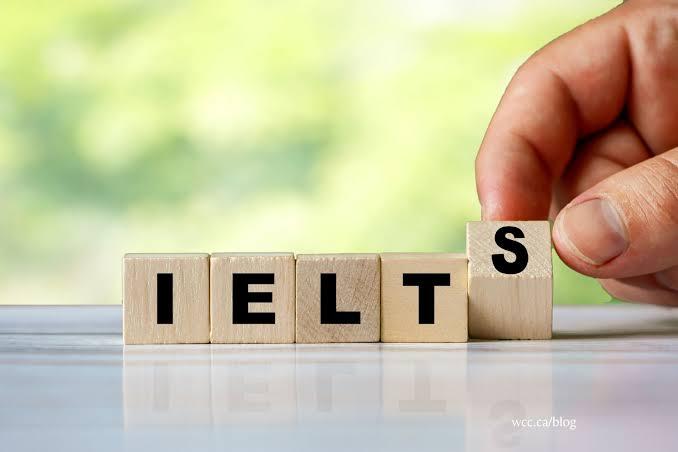
Whenever a candidate seeks an English proficiency test for studying, working, or migrating abroad, chances are that they will face a dilemma of selecting either of the two major tests: IELTS (International English Language Testing System) or PTE Academic (Pearson Test of English). These two tests are quite similar from their external view. Both measure the four basic communication channels—Listening, Reading, Writing, and Speaking- and are recognised across the globe by migration offices and universities.
Because of all this similarity, it usually happens that a lot of people base their decision on some informal statements such as “PTE is easier” or “IELTS is good for Canadian immigration.” However, beneath all the marketing pamphlets, the two tests have entirely different underlying structures. Awareness of these differences can be crucial for achieving your desired band score on the first attempt. Here are the four fundamental structural differences that you were not told about.
Well, if you want to crack your IELTS exam on your first attempt, and get more help on this. Then you can seek some guidance from the top-notch Best IELTS institute, which has a strong reputation for its quality services.
The Hidden Differences Between IELTS and PTE Nobody Tells You About
Read the following pointers to learn about the hidden differences between IETS and PTE that nobody tells you about:
Integrated vs. Segregated Scoring System Structure
IELTS follows an extremely segregated approach to testing. The way you perform in the Reading module does not affect your mark in the Writing component. Should you have difficulties with essay writing, you will be judged only according to what you write in the Writing part of the test. PTE has an extremely integrated and cross-functional scoring system. A lot of activities in PTE serve two purposes. For instance, the Read Aloud activity falls into the Speaking category; however, since you need to read a text on the computer screen, it significantly affects your Reading mark. Another good example would be the Write from Dictation activity, which belongs to the Listening module; still, since you need to type out a sentence using correct spelling, it weighs very much in your Writing score.
Speaking Assessment: Human Psychology and AI Acoustic Sensitivity
The Speaking section of the two exams requires totally different ways of thinking and working of one’s body:
-
IELTS (human examiner): In the speaking part, you are supposed to talk face-to-face with a human being. The examiner needs your communicative skills. Your small self-corrections, hesitation, and slightly odd pacing will be tolerated by the examiner as long as you have rich vocabulary, complicated grammatical structure, and logical ideas.
-
PTE (algorithm of artificial intelligence): In the speaking section, you talk directly into the microphone in the room full of other people whispering. The computer does not care about the “depth” of your ideas; rather, it cares about your fluency and pronunciation.
The PTE AI Trap: When you stop to think, hesitate, stutter, fix grammatical errors on the spot, or pause for more than three seconds, the AI algorithm takes it that you've completed your response and switches off the microphone, thereby making your oral fluency grade suffer tremendously. In PTE, sustaining a continuous stream of speech is far more valuable than the content of your response.
The Ability to Endure Technical Mistakes and Environmental Factors
The actual physical mechanics of sitting down for the exams brings in another, usually disregarded aspect. The IELTS (both on paper and on the computer) exam is a very controlled and quiet environment. You can go at your own pace, and minor human mistakes, such as accidentally making a typo or making a physical mistake while in the speaking section, are easily filtered out by human comprehension. PTE is a very intense and fast-paced electronic challenge. You will be sitting in a room full of computer labs where other people take the tests, simultaneously shouting into their microphones. The algorithm is very sensitive to the surrounding background noise and the speed of your typing. Minor typos, lack of punctuation, or decreased microphone quality because of the surrounding noise automatically leads to the loss of points.
Don’t hesitate to turn to the PTE exam if you are in search of an English proficiency test that comes with an easy structure. Also, you can go ahead with an incredible PTE Coaching near your hometown, known for its high-quality services and expertise in providing the best PTE exam guidance.
Conclusion
When deciding which of the two tests to sit, you are not searching for the easier exam but rather the test that suits your personal characteristics. If you feel at ease when interacting with people, cannot type quickly under stress, and find templates too restrictive and dislike working with them, then the IELTS test will suit you much better than the PTE test. However, if you type quickly, are able to talk robotically in a crowded room, and prefer using templates to work around the issues in open writing, then the algorithmic nature of the PTE test will provide you with a significant advantage.

 English
 Arabic
 French
 Spanish
 Portuguese
 Deutsch
 Turkish
 Dutch
Dutch
 Russian
 Romaian
 Portuguese (Brazil)
 Greek
Greek
