


Mercedes-Benz SLK Alternator: Complete Alternator Guide (SLK230/SLK320/SLK32 AMG)
Introduction
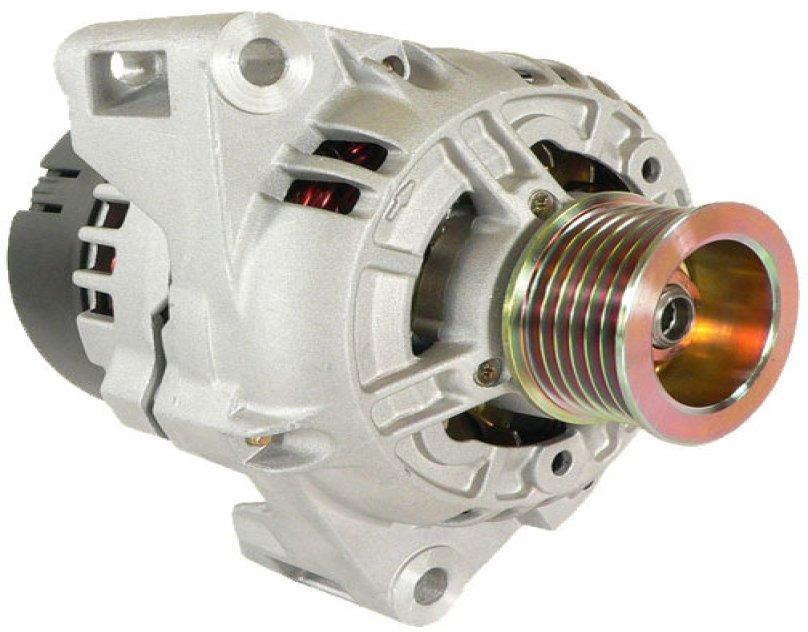
A dependable alternator is essential for keeping your Mercedes-Benz running at its best. If you own a Mercedes-Benz SLK230 (1998–2004), SLK320 (2001–2004), or SLK32 AMG (2002–2004), a properly functioning alternator ensures your battery stays charged while powering the ignition system, lighting, climate control, and other electrical components. This guide explains how an alternator works, common signs of failure, compatibility considerations, installation tips, maintenance practices, and what to look for when purchasing a quality replacement alternator.
What Does an Alternator Do?
The alternator is a vital component of your vehicle's charging system. Driven by the engine through the serpentine belt, it converts mechanical energy into electrical energy to recharge the battery while supplying power to the vehicle's electrical systems.
Unlike the battery, which primarily starts the engine, the alternator continuously provides electricity whenever the engine is running. Without a properly functioning alternator, the battery will gradually discharge, eventually causing starting problems and electrical failures.
Compatible Mercedes-Benz Models
This replacement alternator is designed for select Mercedes-Benz SLK models, including:
-
Mercedes-Benz SLK230 (1998–2004)
-
Mercedes-Benz SLK320 (2001–2004)
It is intended as a direct-fit replacement for vehicles using the corresponding OEM specifications. Always verify your vehicle's year, engine configuration, VIN, and original part number before ordering to ensure proper fitment.
OEM Part Numbers
When purchasing an alternator, matching the OEM number is one of the best ways to ensure compatibility.
Common OEM references include:
-
0091547602
-
A0091547602
-
009-154-76-02
Matching the original part number helps ensure the replacement alternator is compatible with your vehicle's mounting points, pulley alignment, electrical connections, and charging requirements.
Common Signs of a Failing Alternator
Alternators usually provide warning signs before they fail completely.
Typical symptoms include:
-
Battery warning light on the dashboard
-
Dim or flickering headlights
-
Weak battery or repeated dead battery
-
Slow engine cranking
-
Electrical accessories operating inconsistently
-
Low charging voltage
-
Burning smell caused by an overheated alternator
-
Whining or grinding noises from worn internal bearings
If these symptoms appear, inspect the charging system promptly to avoid unexpected breakdowns.
Why Choose a High-Quality Replacement Alternator?
A premium replacement alternator offers dependable charging performance and can help restore your vehicle's electrical reliability.
Benefits include:
-
Stable voltage output
-
Reliable battery charging
-
OE-style fit and installation
-
Durable internal components
-
Precision-tested performance
-
Long service life under normal operating conditions
Choosing a quality replacement helps reduce the likelihood of charging issues and supports consistent electrical performance.
Factors to Consider Before Buying
Before purchasing a replacement alternator, verify several important details.
Confirm Vehicle Compatibility
Check:
-
Model year
-
Engine type
-
VIN (Vehicle Identification Number)
-
Original alternator part number
Inspect the Existing Unit
Compare:
-
Mounting brackets
-
Electrical connectors
-
Pulley style
-
Housing configuration
Buy from a Trusted Supplier
Purchasing from a reputable supplier helps ensure you're receiving a properly manufactured replacement that meets applicable quality standards.
Installation Tips
Although experienced DIY enthusiasts can replace an alternator, professional installation is recommended if you're unfamiliar with vehicle electrical systems.
General installation tips include:
-
Disconnect the negative battery terminal before beginning work.
-
Inspect the serpentine belt for cracks or excessive wear.
-
Verify that the belt tensioner operates correctly.
-
Transfer any required components if applicable.
-
Tighten mounting bolts according to the manufacturer's specifications.
-
Ensure all electrical connections are secure and free from corrosion.
-
Start the engine and verify that the charging system is operating correctly.
After installation, checking charging voltage with a digital multimeter can help confirm proper operation.
Maintenance Tips for Longer Alternator Life
Routine maintenance can help maximize alternator performance.
Helpful practices include:
-
Inspect the drive belt regularly.
-
Replace worn belts before they begin slipping.
-
Keep battery terminals clean.
-
Repair oil or coolant leaks promptly.
-
Maintain a healthy battery.
-
Avoid excessive electrical loads when possible.
-
Check charging voltage during routine maintenance.
A properly maintained charging system reduces unnecessary stress on the alternator.
Frequently Asked Questions
How long does an alternator last?
Alternator lifespan varies depending on driving conditions, maintenance, and operating environment. Many alternators provide years of reliable service under normal conditions.
Can I drive with a bad alternator?
A failing alternator may allow the vehicle to operate temporarily using battery power alone. Once the battery is depleted, the engine may stall and fail to restart.
Will replacing the battery fix charging problems?
Not necessarily. If the alternator is not producing sufficient electrical output, installing a new battery alone will not correct the underlying charging issue.
Should I replace the serpentine belt?
If the belt shows visible wear, cracking, glazing, or stretching during alternator replacement, replacing it at the same time is generally recommended.
Why Buy Your Mercedes-Benz Alternator from Denparts?
Choosing the right supplier is just as important as selecting the correct replacement part.
Denparts offers premium aftermarket automotive parts designed to provide dependable fit, reliable performance, and excellent value. Every replacement alternator is selected to meet high quality standards and support consistent charging system operation.
Whether you're a professional mechanic, repair shop, or DIY vehicle owner, choosing the correct replacement alternator helps restore dependable electrical performance and keeps your Mercedes-Benz operating with confidence.
Conclusion
A reliable alternator plays a critical role in maintaining your Mercedes-Benz charging system, ensuring the battery remains charged while powering essential electrical components. If you notice battery warning lights, dim headlights, slow cranking, or charging issues, replacing a worn alternator promptly can help prevent more serious electrical problems.
When selecting a replacement, always verify your vehicle's compatibility, engine configuration, and OEM part number before purchasing. Investing in a quality replacement alternator helps provide dependable charging performance, long-lasting durability, and peace of mind.
Looking for a premium replacement alternator for your Mercedes-Benz SLK230, SLK320, or SLK32 AMG? Explore the quality selection available at Denparts and choose a dependable OE-style replacement designed to restore reliable charging performance and keep your vehicle running with confidence.

 English
 Arabic
 French
 Spanish
 Portuguese
 Deutsch
 Turkish
 Dutch
Dutch
 Italiano
 Romaian
 Portuguese (Brazil)
 Greek
Greek
