


How to Plan Pipe Repairs Using Freezing Methods Safely
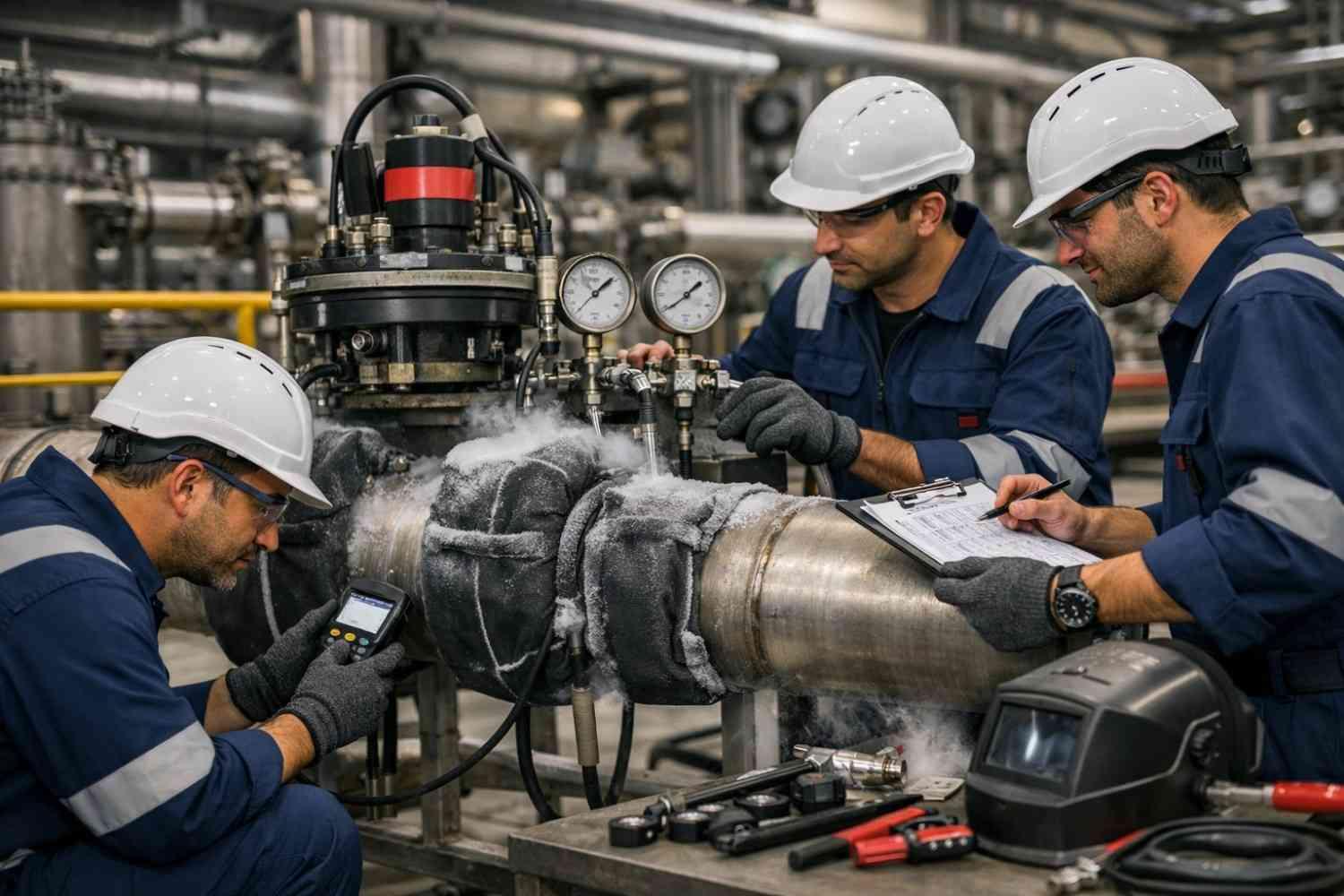
Pipe freezing services in Sharjah can help with pipe repair work when shutting down the full water or process system is difficult. Pipe freezing creates a temporary ice plug inside a suitable pipe, which can stop the flow in a controlled section. This allows technicians to work on valves, fittings, or other parts without draining the complete system. Proper planning is important because the method depends on the pipe material, fluid, temperature, pressure, and repair location.
Understand the Repair Requirements
The first step is to understand exactly what needs to be repaired. A small valve replacement may need a different plan from a damaged pipe section or a fitting change. The repair team should identify the problem, check where the work will take place, and decide how much of the system needs to be isolated.
It is also important to know whether the pipe can remain under pressure during the work. Some systems carry water, while others may carry different liquids or gases. The contents of the pipe can affect whether freezing is suitable. A clear understanding of the repair helps the team select the right method and avoid unnecessary system disruption.
Check the Pipe Before Freezing
A proper pipe inspection should be completed before any freezing work begins. Technicians need to check the pipe size, material, wall condition, and location. Pipes made from different materials may respond differently to freezing temperatures.
The condition of the pipe is also important. A pipe with severe corrosion, cracks, or weak sections may require additional care. The team should inspect the area around the planned freeze point and make sure there is enough space for the freezing equipment.
The pipe should also be checked for coatings, insulation, and other materials that could affect the freezing process. These details help technicians decide where the freezing jackets or equipment should be placed.
Select the Right Freezing Location
Choosing the correct freezing point is an important part of repair planning. The freeze point should normally be located where the ice plug can safely hold the pressure needed for the repair.
The distance between the frozen section and the repair area should also be considered. If the freeze is too close to the work area, there may not be enough room for safe repair activities. If it is too far away, the plan may not provide the required isolation.
Technicians should review the pipe layout before starting. They may need to consider bends, valves, branches, and nearby connections. A detailed inspection can help identify the best location for the temporary ice plug.
Check Pressure and Fluid Conditions
Pipe freezing is not suitable for every pipe system. Before starting, the team should understand the operating pressure and the type of fluid inside the pipe. These conditions can affect the strength and stability of the frozen plug.
Water-based systems are commonly considered for pipe freezing because water expands when it freezes and forms a solid plug. However, the actual conditions must still be checked carefully. The temperature, flow, pressure, and fluid properties should be understood before the work begins.
If the pipe contains a fluid that does not freeze under normal equipment conditions, another isolation method may be required. Careful assessment helps prevent problems during the repair.
Prepare the Freezing Equipment
The next step is to prepare the correct equipment for the job. Freezing units, hoses, jackets, temperature monitoring tools, and other equipment should be checked before work starts.
The equipment must be suitable for the pipe size and repair conditions. Technicians should also make sure that the freezing system can maintain the required low temperature for the planned repair period.
Temperature monitoring is especially important. The team needs to know when the ice plug has formed and whether it remains stable during the repair. Regular checks can help identify changes that may require action.
Plan the Work Area
The work area should be prepared before the freezing process begins. Technicians need enough space to install the equipment and safely access the pipe. The area should be kept clear of unnecessary tools and materials.
Safety controls should also be considered. Cold surfaces and freezing equipment can create risks for workers. Suitable protective clothing, gloves, and other safety equipment may be needed.
The repair team should also plan how tools and replacement parts will be brought into the work area. Having everything ready before freezing starts can reduce the time needed for the repair.
Monitor the Ice Plug During Repair
Once the ice plug has formed, it should be monitored throughout the repair. The freezing equipment needs to continue operating so the plug remains stable.
Technicians should regularly check temperature readings and watch for any signs that the frozen section is changing. The repair should not begin until the team is confident that the required isolation has been achieved.
Monitoring should continue while the valve, fitting, or pipe component is being repaired. If conditions change, the work may need to stop until the situation is assessed.
Plan the Thawing Process
The repair plan should include what happens after the work is complete. The ice plug should be allowed to thaw in a controlled way. The system should then be returned to normal operation carefully.
Before removing the freezing equipment, technicians should confirm that the repaired component is secure. Any new fittings or valves should be checked before the pipe is brought back into service.
The system should be restarted gradually where possible. This allows the team to observe the repaired area and check for leaks or other problems.
Keep a Clear Repair Plan
Good planning makes pipe freezing work easier to manage. The plan should include the pipe details, freeze location, equipment requirements, safety measures, repair steps, monitoring process, and restart procedure.
It is also useful to keep records of the work completed. Notes about the pipe condition, repair method, and inspection results can help with future maintenance.
When properly assessed and planned, Pipe freezing services in Sharjah can provide a controlled way to isolate certain pipe sections and carry out repairs while reducing the need for a complete system shutdown.

 English
 Arabic
 French
 Spanish
 Portuguese
 Deutsch
 Dutch
Dutch
 Italiano
 Russian
 Romaian
 Portuguese (Brazil)
 Greek
Greek
