Breathing comfortably through your nose plays a vital role in your overall health. It helps filter, warm, and humidify the air before it reaches your lungs. However, when the nasal passages are blocked by a deviated septum, breathing can become difficult and frustrating. Many people live with chronic nasal congestion, poor sleep, and recurring sinus problems without realizing that a structural issue inside the nose may be the cause.
Septoplasty in Islamabad is a surgical procedure designed to correct a deviated septum and restore proper airflow through the nasal passages. For individuals whose breathing problems are caused by this condition, septoplasty can provide long-term relief and significantly improve their quality of life.
This article explains how septoplasty improves breathing, who may benefit from the procedure, and what patients can expect before, during, and after treatment.
Understanding a Deviated Septum
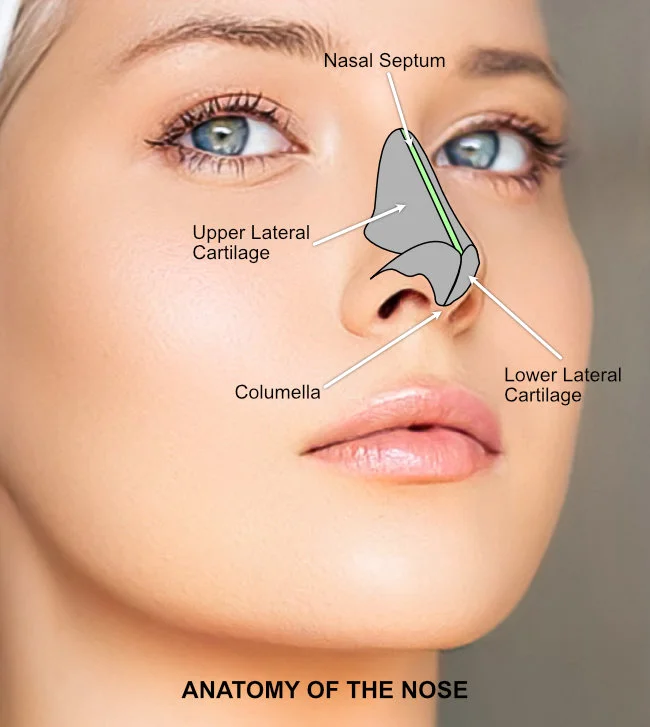
The nasal septum is the thin wall of cartilage and bone that divides the nose into two passages. In a healthy nose, the septum is positioned close to the center, allowing air to flow evenly through both nostrils.
A deviated septum occurs when this wall is shifted to one side. The condition may be present from birth or develop after an injury to the nose. While some people have only a slight deviation without symptoms, others experience severe blockage that affects normal breathing.
A significantly deviated septum can narrow one or both nasal passages, making it harder for air to pass through the nose.
How a Deviated Septum Affects Breathing
When airflow is restricted, the body has to work harder to get enough air through the nose. This can lead to several uncomfortable symptoms that interfere with daily life.
Common breathing-related problems include:
- Constant nasal blockage
- Difficulty breathing through one nostril
- Mouth breathing, especially during sleep
- Snoring
- Interrupted sleep
- Dry mouth caused by breathing through the mouth
- Reduced comfort during physical activity
Because the blockage is structural, medications often provide only temporary relief.
How Septoplasty Improves Breathing
Septoplasty is designed to correct the underlying cause of nasal obstruction rather than simply treating its symptoms.
During the procedure, the surgeon carefully reshapes or repositions the cartilage and bone that make up the septum. By straightening the septum, more space is created inside the nasal passages, allowing air to move freely through both sides of the nose.
As healing progresses, patients usually notice that breathing becomes smoother, easier, and more comfortable.
The Procedure Explained
Septoplasty is a well-established surgical treatment performed by an experienced ENT specialist.
The procedure generally includes the following steps:
- Administration of local or general anesthesia
- An incision made inside the nose
- Lifting the tissue covering the septum
- Straightening or removing the bent portions of cartilage and bone
- Repositioning the septum into the correct alignment
- Closing the incision with dissolvable stitches if needed
Because all incisions are inside the nose, there are usually no visible external scars.
Most procedures are completed within 30 to 90 minutes, and patients can typically return home the same day.
Signs You May Benefit From Septoplasty
Not every blocked nose requires surgery. However, you may be a suitable candidate if you experience symptoms caused by a deviated septum.
These may include:
- Difficulty breathing through your nose every day
- One nostril that remains blocked most of the time
- Frequent sinus infections
- Persistent nasal congestion
- Loud snoring due to nasal obstruction
- Poor sleep caused by breathing difficulties
- Nosebleeds related to septal deviation
A detailed examination by an ENT specialist is necessary to confirm whether surgery is the appropriate treatment.
Benefits Beyond Better Breathing
Although improving airflow is the primary goal, septoplasty often provides several additional benefits.
Better Sleep Quality
When breathing becomes easier, many patients sleep more comfortably throughout the night.
Improved airflow may also reduce snoring caused by nasal blockage, allowing for more restful sleep.
Reduced Sinus Problems
A straighter septum helps improve drainage inside the nose, reducing the likelihood of recurring sinus infections.
Patients who previously suffered frequent sinus pressure often notice fewer episodes after recovery.
Improved Physical Activity
Efficient breathing allows the body to receive oxygen more effectively.
Many individuals find that walking, exercising, and other daily activities become more comfortable after surgery.
Less Mouth Breathing
Once nasal airflow improves, patients naturally rely less on mouth breathing, reducing dry mouth and throat irritation.
Greater Everyday Comfort
Simple tasks such as climbing stairs, speaking for long periods, or sleeping become easier when nasal obstruction is removed.
Recovery After Septoplasty
Recovery is generally straightforward when patients follow their surgeon's advice.
During the first few days, it is common to experience:
- Mild swelling
- Temporary congestion
- Slight bleeding
- Minor discomfort
To support healing, patients are usually advised to:
- Rest for several days
- Keep the head elevated while sleeping
- Avoid heavy exercise
- Avoid blowing the nose until instructed
- Attend all follow-up appointments
Most people return to work within one week, although complete healing continues over the following months.
Is the Improvement Permanent?
For most patients, yes.
Once the septum has healed in its corrected position, the improvement in airflow is typically long-lasting. While future nasal injuries could affect the results, septoplasty itself provides a permanent correction for a deviated septum.
Maintaining good nasal health after surgery also helps preserve the benefits over time.
Are There Any Risks?
Like all surgical procedures, septoplasty carries some risks, although complications are relatively uncommon.
Possible risks include:
- Bleeding
- Infection
- Temporary swelling
- Persistent nasal blockage
- Rare changes in the sense of smell
- Need for additional surgery in uncommon cases
Choosing an experienced ENT surgeon and carefully following post-operative instructions can significantly reduce these risks.
Choosing the Right Specialist
Successful results depend on proper diagnosis, surgical expertise, and personalized care.
When selecting a clinic, patients should look for:
- Experienced ENT specialists
- Modern surgical facilities
- Thorough consultations
- Individualized treatment plans
- Comprehensive post-operative support
An experienced team can accurately identify the cause of breathing difficulties and recommend the most appropriate treatment.
Final Thoughts
If a deviated septum is preventing you from breathing comfortably, Septoplasty in Islamabad can provide an effective and lasting solution. By correcting the structural blockage inside the nose, the procedure improves airflow, supports better sleep, reduces recurring sinus problems, and enhances overall quality of life.
Although surgery is not necessary for everyone with a deviated septum, it can make a significant difference for patients whose symptoms persist despite medical treatment. A consultation with an experienced ENT specialist is the best way to determine whether septoplasty is the right option for your needs.
For individuals considering Septoplasty in Islamabad, Enfield Royal Clinics offers expert evaluations, advanced surgical techniques, and personalized treatment plans to help patients breathe more comfortably and enjoy long-term functional improvement.




 English
 Arabic
 French
 Spanish
 Portuguese
 Deutsch
 Turkish
 Dutch
Dutch
 Italiano
 Russian
 Portuguese (Brazil)
 Greek
Greek
