


The Digitizing of Custom Embroidery Handles Complex Left-Chest and Cap Logos
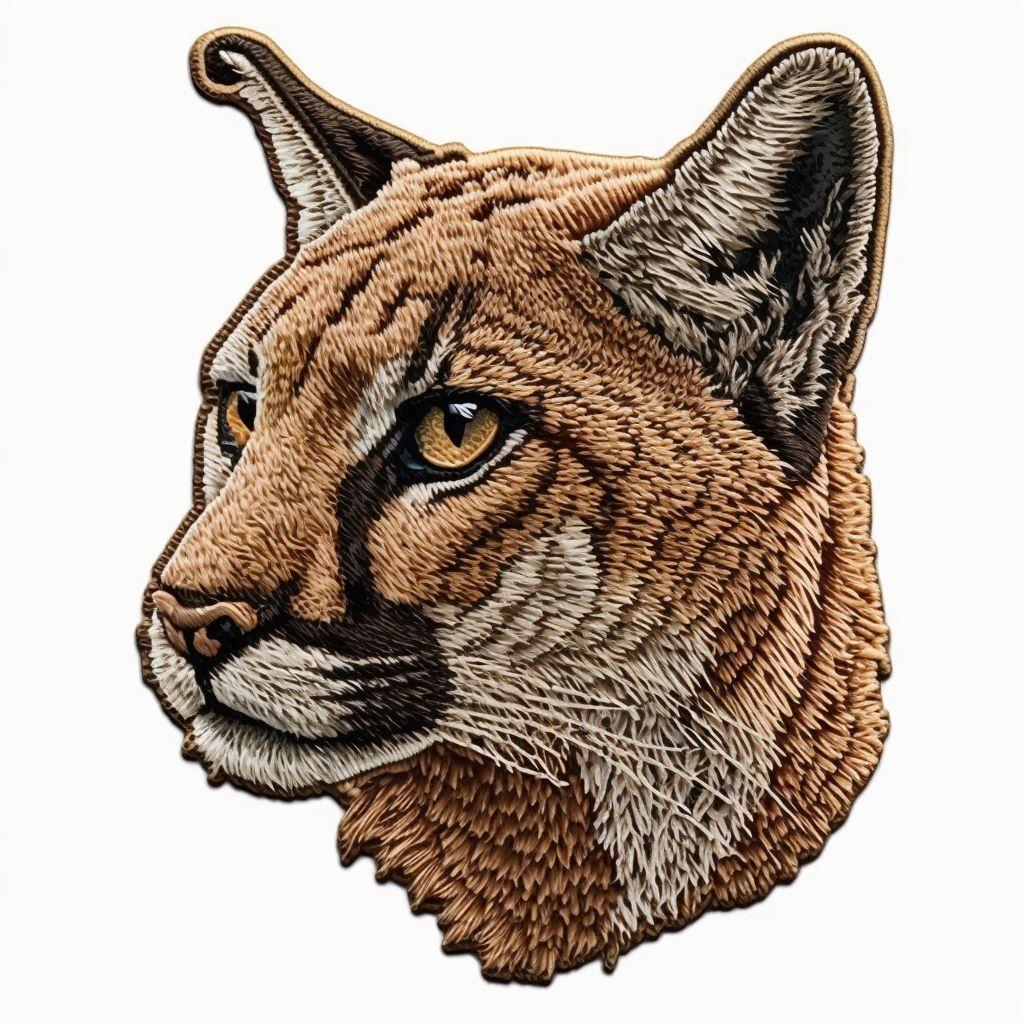
Small logos cause big problems. The size of a left chest logo can be as small as three to four inches. A cap logo may be even smaller. But brands want to pack in as much detail, text and color into the smallest space possible. This is more than simply shrinking the design and hoping that it stitches well.
It is here that skilled digitizing can make all the difference. Custom embroidery digitizing knows how to adjust a logo so that it stitches clearly even in a small size. This article explains the reasons why small logos can be so difficult to digitize, and how good digitizing fixes this problem.
Why Cap and Left-Chest Logos are so Challenging
The majority of embroidery errors occur in small areas, not large spaces. The back design is large, so there's plenty of room for the details to breathe. Small logos on a cap or chest do not.
Limited Space, Big Detail
Brands want to include their entire logo, with fine lines, text or shading, on small items. To fit all that in a few square inch area without losing clarity requires careful planning. What looks good on the back of a jacket is not always the best for a chest.
What makes a logo "Intricate?"
Some logos are easier to digitize than others. Usually, only a few features are the most difficult to digitize at smaller sizes.
Small Text
It is difficult to sew text below a certain size. The letters can become blurry or lose shape.
Fine Lines and Thin Shapes
Once reduced in size, thin lines can become thick blobby stitching or disappear altogether. It is common for logos to have delicate outlines.
Multi-Colors on a Small Area
When threads are crowded together, they can bunch, making color transitions look cluttered instead of neat.
The Size Problem is Solved by Digitizing
A good digitizer does not simply shrink a design. It rebuilds the files to be able to stitch at the actual size.
Simple Design without Losing the Style
A professional digitizer will look at the entire logo and determine what should be kept and what can simply be changed without affecting the brand's appearance or feel.
The First Step to Simplifying the Process
This usually means thickening thin lines slightly, adjusting small text to make it easier to read, and reducing fine details that wouldn't stitch well at a smaller size.
Adjusting Stitch Type to Small Areas
Even within a small logo, different parts of the design can require different stitch types.
Fill vs Satin for Tight Spaces
Fill stitches are often used for large areas, while satin stitches work best with thin lines or letters. When designing small logos, selecting the correct stitch type for every section will help keep the design sharp.
Cap Logos: Special considerations
The small size of the logo is not all that challenges.
Working with the Curve
A design must be adjusted to look straight and balanced when stitched onto a curved surface. It is not enough to have it correct on a flat monitor.
Adjusting the Center Seam
A seam runs through the front of most caps. It is best to avoid placing small details on this seam or close by, as they will look unbalanced.
Left-Chest Logos: Special Considerations
The placement of the left chest logo is different from that of cap logos.
Body Contours: How to Work with Them
A shirt is not a flat surface. It moves and curves around the body. This is taken into account by the digitizers so that the logo looks balanced when worn and not only on a flat surface.
Keep Text Readable in Small Sizes
Logos on the left chest often feature a tagline or business name. To keep this text visible at small sizes, you will need to use a slightly larger font and a more pronounced letter shape than what was used in the original artwork.
Digitizing Small, Detailed Logos
Avoid costly errors by following a structured, organized process when creating small, intricate designs.
Step 1: Review the original Artwork
The original logo must be carefully examined before any digitizing can begin. Checking the color count, font size, and fine details may be necessary.
Step 2: Plan Stitch Types per Section
Instead of using one stitch style for the entire design, each part of the logo will be mapped with the appropriate stitch type based on the size and shape.
Step 3: Test at Actual Size
The sample is stitched in the final size of the logo, regardless if it is for a cap placement or left chest placement. This test will reveal any problems before the full production runs begin.
Small Logo Digitizing: Common Mistakes
A number of common mistakes can lead to poor results when designing small logos with fine details:
- Keep text too small for stitching clearly
- You can ignore how thin the lines look when reduced in size
- Use the same type of stitch for all parts of the design
- Skip a test sew out at actual size
- Placement of detailed elements too near the center seam of a cap
By avoiding these mistakes, you can ensure that the final product looks as sharp as original artwork.
Why this is important for brands
The left-chest logo and the cap are usually the most noticeable part of an uniform or promotional item. These small logos are seen by customers, co-workers and clients regularly. Even if the uniform is perfectly stitched, a blurry logo or poorly stitched one can affect the professionalism of a brand.
A small, clean logo that is well-digitized reinforces the polished and consistent image of your brand every time you wear it.
Final Thoughts
For intricate left-chest logos and cap designs, it is not enough to simply reduce the size of artwork. Text, stitch types and lines need to be adjusted with care, as well as the body contours and curves. Skilled digitizing transforms a complex logo into a clean and readable design even on a small piece of fabric.
Brands who invest in digitalizing these high-visibility, small placements see better, more consistent results on every shirt, uniform, or cap they produce.
With the help of Digitizing Embroidery Software and experienced hands-on adjustments, brands can achieve sharp, professional results even on the smallest logos.

 English
 Arabic
 French
 Spanish
 Portuguese
 Deutsch
 Turkish
 Dutch
Dutch
 Russian
 Romaian
 Portuguese (Brazil)
 Greek
Greek
