


Building the Silicon Backbone: Technology and Materials in the Military Semiconductor Market
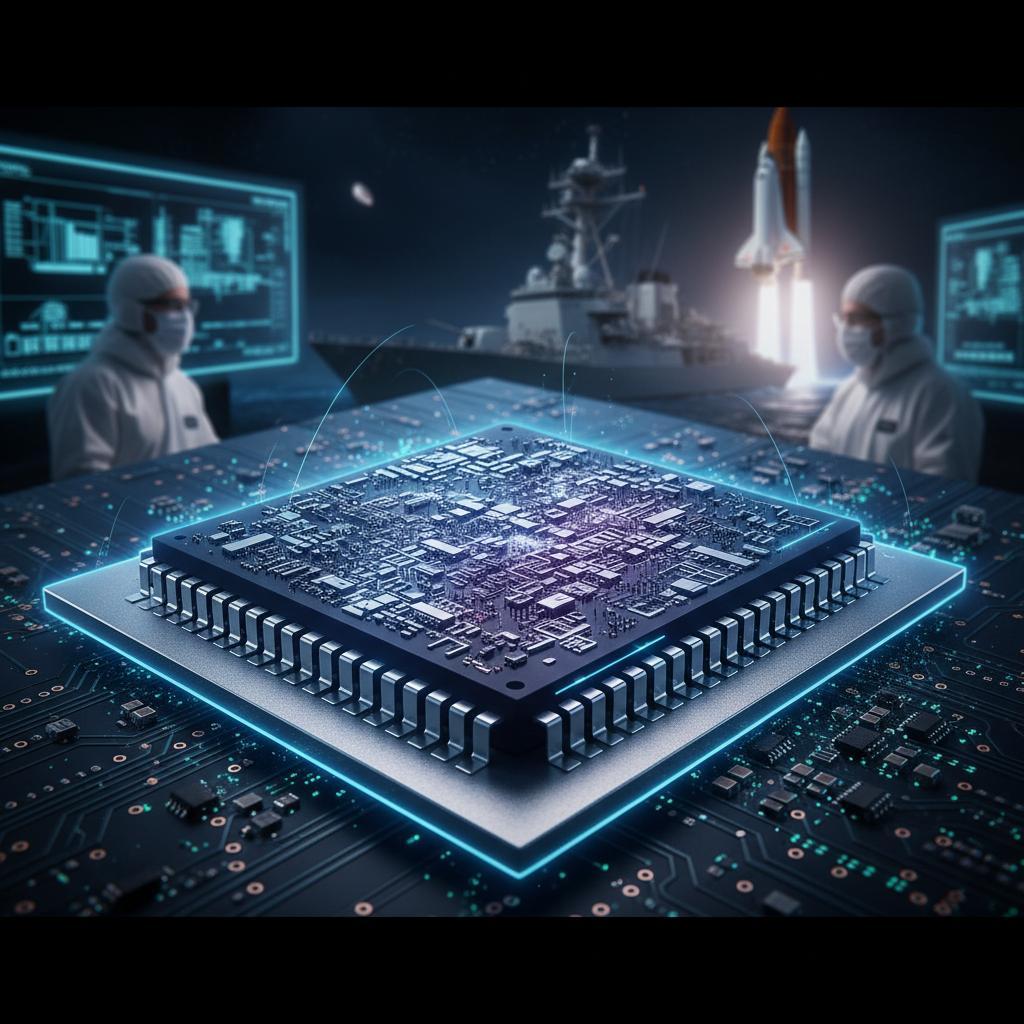
The military and defense semiconductor market is built on advanced materials science, specialized manufacturing processes, and cutting-edge design methodologies. Creating chips that can operate in the extreme conditions of the battlefield—including high temperatures, radiation, and vibration—requires unique technological capabilities. The Military Defense Semiconductor Market relies on these innovations to deliver reliable, high-performance components. This article explores the core technologies and materials that are shaping the market.
Market Dynamics
The technology behind military semiconductors is centered on materials, packaging, and advanced manufacturing.
Wide-Bandgap Semiconductors
Wide-bandgap semiconductors, such as Gallium Nitride (GaN) and Silicon Carbide (SiC), are becoming increasingly important in military applications. These materials can operate at higher frequencies, voltages, and temperatures than traditional silicon, making them ideal for high-power RF applications like radar and electronic warfare. GaN is particularly important for next-generation radar systems.
Radiation-Hardening Technologies
Protecting chips from the damaging effects of radiation is a critical requirement for space and nuclear applications. Radiation-hardening is achieved through design, process, and packaging techniques. Specialized foundries use dedicated processes to produce radiation-tolerant components. The radiation-hardened segment is technologically demanding and has high barriers to entry.
Advanced Packaging and 3D Integration
Packaging technologies are crucial for protecting chips and ensuring reliability. Advanced packaging includes hermetic and specialized enclosures. 3D integration and system-on-chip (SoC) technologies are being used to create more compact and power-efficient systems. These technologies are essential for meeting the space, weight, and power (SWaP) constraints of modern military platforms.
Secure and Trusted Supply Chains
Ensuring the security and integrity of the supply chain is a critical aspect of military semiconductor manufacturing. This includes preventing counterfeiting, ensuring the authenticity of components, and protecting design information. Trusted foundries and verified supply chains are essential for the defense industry.
Regional Outlook
North America leads in the development of wide-bandgap materials and radiation-hardening technologies. The Asia-Pacific region is rapidly advancing in manufacturing processes and advanced packaging. Europe has a strong position in specialized materials. Access the Military Defense Semiconductor report for more data.
Competitive Landscape
Technological capability is the primary competitive advantage. Companies that can invest in advanced materials, specialized processes, and secure supply chains are best positioned to succeed. Government partnerships are common in this sector.
Conclusion
The military semiconductor market is at the forefront of advanced materials and manufacturing technologies. From wide-bandgap semiconductors and radiation-hardening to advanced packaging and secure supply chains, technology is the driving force behind the industry's ability to meet the demanding requirements of the military. As technology continues to advance, military semiconductors will become even more powerful, reliable, and secure.
FAQs
1. What are wide-bandgap semiconductors and why are they important in defense?
Wide-bandgap semiconductors, like Gallium Nitride (GaN), can operate at higher frequencies, voltages, and temperatures than traditional silicon, making them ideal for high-power radar and electronic warfare applications.
2. How are semiconductors made radiation-hardened?
Radiation-hardening is achieved through a combination of specialized design, manufacturing processes, and packaging techniques that protect chips from the damaging effects of radiation.
3. Why is supply chain security important for military semiconductors?
Supply chain security is critical to prevent counterfeiting, ensure the authenticity of components, and protect sensitive design information from being compromised. Explore the Military Defense Semiconductor analysis for more insights.

 English
 Arabic
 French
 Spanish
 Portuguese
 Deutsch
 Turkish
 Dutch
Dutch
 Italiano
 Russian
 Romaian
 Greek
Greek
