


Is PRP in Islamabad Worth It? Benefits, Process, and Results Explained
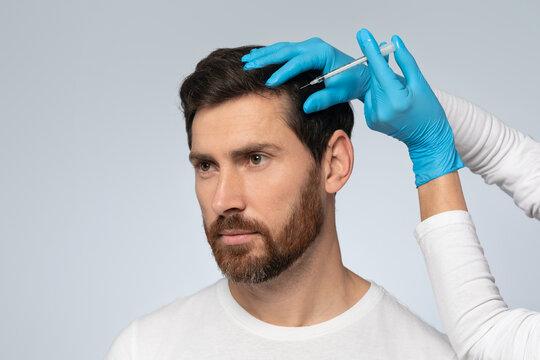
Hair thinning, slow tissue healing, and early signs of aging are common concerns that affect both confidence and overall well-being. As regenerative medicine becomes more widely available, many people in Pakistan are exploring platelet-rich plasma (PRP) therapy as a natural way to encourage the body's own healing response. Whether the goal is healthier hair, refreshed skin, or improved recovery, understanding how this treatment works is essential before making a decision. Many individuals researching PRP in Islamabad want clear, practical information about the procedure, expected outcomes, and whether it truly delivers lasting value.
Understanding PRP Therapy
Platelet-rich plasma therapy is a regenerative treatment that uses a small sample of a patient's own blood to create a concentrated solution rich in platelets and growth factors. These platelets play a significant role in tissue repair, collagen production, and cell regeneration.
Once the platelet-rich plasma is prepared, it is injected into carefully selected treatment areas. Since the treatment uses the patient's own biological material, it is considered minimally invasive and carries a relatively low risk of allergic reactions.
PRP has become increasingly popular across dermatology, aesthetic medicine, sports medicine, and hair restoration because it supports the body's natural healing process instead of introducing synthetic substances.
Why People Choose PRP Treatment
One of the biggest reasons people consider PRP therapy is its natural approach. Rather than replacing tissue or masking concerns, PRP encourages existing cells to perform more effectively.
Patients commonly seek PRP for:
- Hair thinning and hereditary hair loss
- Facial skin rejuvenation
- Acne scar improvement
- Fine lines and wrinkles
- Faster healing after certain cosmetic procedures
- Tissue regeneration
Many individuals appreciate that the treatment works with their body's own healing mechanisms instead of relying solely on medications or surgery.
How the PRP Procedure Works
Having observed the treatment process followed in reputable aesthetic practices, the overall procedure is usually straightforward and completed within an hour.
A small amount of blood is drawn from the patient's arm, similar to a routine blood test. The blood is then placed into a centrifuge, where it spins rapidly to separate platelet-rich plasma from other blood components.
Once prepared, the concentrated plasma is injected into the targeted treatment area using very fine needles. Depending on the treatment purpose, a topical numbing cream may be applied beforehand to improve comfort.
After the injections, patients can usually return home shortly afterward with only minor redness or swelling.
PRP for Hair Restoration
Hair restoration remains one of the most searched applications of PRP therapy.
People experiencing androgenetic alopecia, early-stage hair thinning, or gradual hair shedding often explore PRP before considering more advanced treatments.
The concentrated growth factors may help stimulate dormant hair follicles, improve blood supply to the scalp, and encourage stronger hair growth over time.
While PRP cannot create new hair follicles where complete baldness already exists, it may improve the thickness and quality of existing hair when suitable follicles remain active.
Most specialists recommend multiple treatment sessions followed by maintenance appointments to achieve the best long-term outcome.
PRP for Skin Rejuvenation
PRP has also become well known for improving overall skin quality.
The treatment encourages collagen production, helping the skin appear firmer, smoother, and healthier over time. Patients frequently notice gradual improvements in skin texture rather than dramatic overnight changes.
PRP is often used to address:
- Fine lines
- Mild wrinkles
- Uneven skin texture
- Acne scars
- Enlarged pores
- Dull complexion
Because the improvements occur through natural tissue regeneration, results usually develop progressively during the following weeks.
Benefits That Make PRP Worth Considering
The growing popularity of PRP therapy comes from its combination of safety, versatility, and natural healing potential.
Some commonly reported advantages include improved tissue repair, minimal downtime, lower risk of allergic reactions, gradual natural-looking improvements, and compatibility with various cosmetic treatments.
Patients also appreciate that PRP can often complement procedures such as microneedling, laser resurfacing, and certain hair restoration plans.
What Results Can You Realistically Expect?
One of the most important expectations to have is patience.
Unlike treatments that produce immediate cosmetic changes, PRP stimulates biological processes that require time.
For hair restoration, noticeable improvements often appear over several months as follicles respond to growth stimulation.
For facial rejuvenation, healthier skin texture, improved elasticity, and better tone usually become more noticeable after collagen production increases naturally.
Individual results vary depending on factors such as age, genetics, lifestyle, overall health, and the condition being treated.
Consistency with follow-up sessions often plays a major role in maintaining long-term benefits.
Is PRP Suitable for Everyone?
PRP therapy may be appropriate for many healthy adults, but it is not automatically suitable for everyone.
People with certain blood disorders, active infections, uncontrolled medical conditions, or specific platelet-related diseases may not be ideal candidates.
A thorough medical consultation is always necessary before treatment begins. An experienced practitioner will evaluate medical history, treatment goals, and realistic expectations before recommending PRP.
Recovery and Aftercare
Recovery following PRP treatment is generally uncomplicated.
Patients may experience temporary redness, mild swelling, tenderness, or slight bruising around the treated area. These effects usually settle within a few days.
Many practitioners recommend avoiding strenuous exercise, excessive heat exposure, alcohol consumption, and harsh skincare products for a short period after treatment.
Good hydration, proper nutrition, and following aftercare instructions can help support the body's healing response.
Is PRP Worth It for People in Islamabad?
For individuals looking for a minimally invasive treatment that encourages natural regeneration, PRP can offer meaningful improvements when expectations remain realistic. It is not a miracle cure, nor does it replace every cosmetic or medical treatment, but it has earned its place as a trusted option in regenerative aesthetics and hair restoration. Those considering PRP in Islamabad should focus on receiving a proper medical assessment, understanding the expected timeline, and choosing treatment based on clinical suitability rather than marketing claims. An informed decision supported by expert evaluation is the best way to achieve safe, natural, and satisfying results.
FAQs
How many PRP sessions are usually needed?
Most people require an initial series of three to six sessions, followed by maintenance treatments depending on their condition and treatment goals.
Is PRP treatment painful?
Most patients experience only mild discomfort. A numbing cream is often used before injections to improve comfort during the procedure.
When will I start seeing PRP results?
Skin improvements may begin appearing within several weeks, while hair restoration results often become noticeable after three to six months.
Can PRP stop hereditary hair loss?
PRP may slow the progression of hereditary hair thinning and strengthen existing hair follicles, but it does not permanently cure genetic hair loss.
Is there any downtime after PRP?
Downtime is minimal. Mild redness, swelling, or tenderness usually resolves within a few days, allowing most people to resume normal activities quickly.
Can PRP be combined with other cosmetic treatments?
Yes. PRP is frequently combined with treatments such as microneedling and certain laser procedures to enhance overall regenerative outcomes when recommended by a qualified practitioner.

 English
 Arabic
 French
 Spanish
 Portuguese
 Deutsch
 Turkish
 Dutch
Dutch
 Russian
 Romaian
 Portuguese (Brazil)
 Greek
Greek
