


Natural Dog Chews for Teeth: A Simple Way to Support Better Dental Health
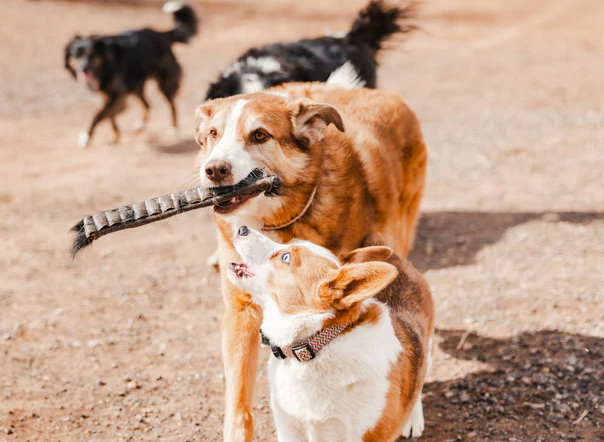
Keeping your dog's teeth clean is an important part of overall health. While regular brushing remains the gold standard for dental care, many pet owners also rely on chewing to help maintain cleaner teeth and healthier gums. Chewing is a natural behavior that provides mental stimulation while helping reduce the buildup of plaque and tartar.
This is where natural dog chews for teeth can play a valuable role. Unlike heavily processed treats, natural chews are often made from simple ingredients and encourage prolonged chewing. When used responsibly, they can become a beneficial addition to your dog's regular dental care routine.
Why Are Natural Dog Chews for Teeth Important?
Dogs naturally enjoy chewing, and this behavior offers more than entertainment. The mechanical action of chewing creates friction against the teeth, helping loosen food particles and reduce plaque accumulation before it hardens into tartar.
Using natural dog chews for teeth can provide several benefits:
-
Helps reduce plaque buildup
-
Supports healthier gums
-
Encourages fresh breath
-
Provides mental enrichment
-
Satisfies natural chewing instincts
-
Helps reduce boredom
Although chews are helpful, they work best when combined with regular veterinary dental checkups and consistent oral hygiene practices.
How Chewing Supports Dental Health
When dogs chew for extended periods, the chewing action gently scrapes tooth surfaces. This natural cleaning process helps remove debris that brushing may miss between professional cleanings.
Chewing also stimulates saliva production. Saliva naturally helps wash away food particles and supports a healthier oral environment.
Long-lasting chewing sessions may also reduce destructive chewing behaviors by giving dogs an appropriate outlet for their natural instincts.
What Makes a Good Natural Dog Chew?
Not every chew marketed as "natural" offers the same quality. Reading ingredient labels and understanding processing methods can help you make informed decisions.
Look for products that offer:
Simple Ingredients
The best chews often contain only one or very few ingredients without artificial additives.
Minimal Processing
Chews that undergo minimal processing retain more of their natural characteristics.
Appropriate Hardness
The chew should be durable enough to encourage extended chewing without being excessively hard. Extremely hard products may increase the risk of tooth damage.
Proper Size
Always select a chew appropriate for your dog's size and chewing strength.
Popular Types of Natural Dental Chews
Several natural chew options can support healthy chewing habits.
Beef Cheek Rolls
These provide a long-lasting chewing experience while helping satisfy strong chewers.
Beef Hide Chews
Minimally processed beef hide products encourage prolonged chewing and can help reduce plaque through natural abrasion.
Collagen Chews
Collagen-based chews offer a softer texture while still promoting healthy chewing.
Bully Sticks
Single-ingredient bully sticks remain a popular option because they are highly digestible and provide extended chewing time.
Freeze-Dried Treats
While primarily used as rewards rather than long-lasting chews, freeze dried liver treats for dogs complement dental routines when combined with appropriate chewing products.
Choosing the Right Chew for Your Dog
Every dog has different chewing habits.
Puppies
Young dogs need softer chews designed for developing teeth. Always supervise puppies while chewing.
Adult Dogs
Healthy adults often enjoy firmer, longer-lasting chews that satisfy their natural chewing instincts.
Aggressive Chewers
Dogs that chew aggressively benefit from durable products designed to withstand heavy chewing while remaining safe.
Senior Dogs
Older dogs may require softer alternatives depending on their dental condition.
Consult your veterinarian if your dog has existing dental disease before introducing new chewing products.
Safety Tips for Dental Chews
Safety should always come first.
Follow these recommendations:
-
Supervise chewing sessions.
-
Select the correct chew size.
-
Remove small pieces that become choking hazards.
-
Provide fresh drinking water.
-
Replace worn chews when necessary.
-
Introduce new chews gradually.
Monitoring your dog's chewing habits helps reduce potential risks.
Additional Ways to Support Dental Health
Chews work best as part of a complete oral care routine.
Daily dental care may include:
-
Tooth brushing with dog-safe toothpaste
-
Regular veterinary dental examinations
-
Professional cleanings when recommended
-
Balanced nutrition
-
Dental-friendly treats
-
Fresh water throughout the day
Combining multiple approaches provides the best long-term results.
Common Mistakes Pet Owners Make
Many owners unintentionally reduce the effectiveness of dental chews.
Avoid these common mistakes:
-
Choosing chews that are too small
-
Feeding too many treats
-
Leaving dogs unsupervised
-
Ignoring ingredient labels
-
Replacing tooth brushing entirely with chews
Remember that chewing supports dental health but does not replace professional care.
Why Ingredient Quality Matters
Simple ingredient lists allow owners to know exactly what their dogs are consuming. Many pet parents now look for single ingredient dog treats, healthy dog chews, long lasting dog chews, and natural dental chews that avoid artificial preservatives and unnecessary fillers.
Selecting quality ingredients supports not only oral health but also overall nutrition.
Conclusion
Natural dog chews for teeth offer an effective way to support healthier gums, cleaner teeth, and satisfying daily enrichment. When paired with regular brushing, veterinary dental care, and proper supervision, they become an important part of maintaining your dog's oral health. Choosing minimally processed chews made with simple ingredients helps provide a safer and more rewarding chewing experience. Ugly Chews offers natural chewing options that encourage long-lasting chewing and support healthier dental routines for dogs of all sizes.
Frequently Asked Questions
1. Do natural dog chews really help clean teeth?
Yes. Chewing helps reduce plaque buildup through natural abrasion while encouraging saliva production that supports oral health.
2. How often should dogs have natural dental chews?
Most dogs can enjoy dental chews several times a week, depending on their size, diet, and overall calorie intake. Follow product feeding guidelines and consult your veterinarian when needed.
3. Are natural chews better than artificial dental treats?
Many natural chews use fewer ingredients and minimal processing, making them a preferred option for pet owners seeking simple, wholesome products.

 English
 Arabic
 French
 Spanish
 Portuguese
 Deutsch
 Turkish
 Italiano
 Russian
 Romaian
 Portuguese (Brazil)
 Greek
Greek
