


Line Set HVAC: The Hidden System Behind Reliable Indoor Comfort
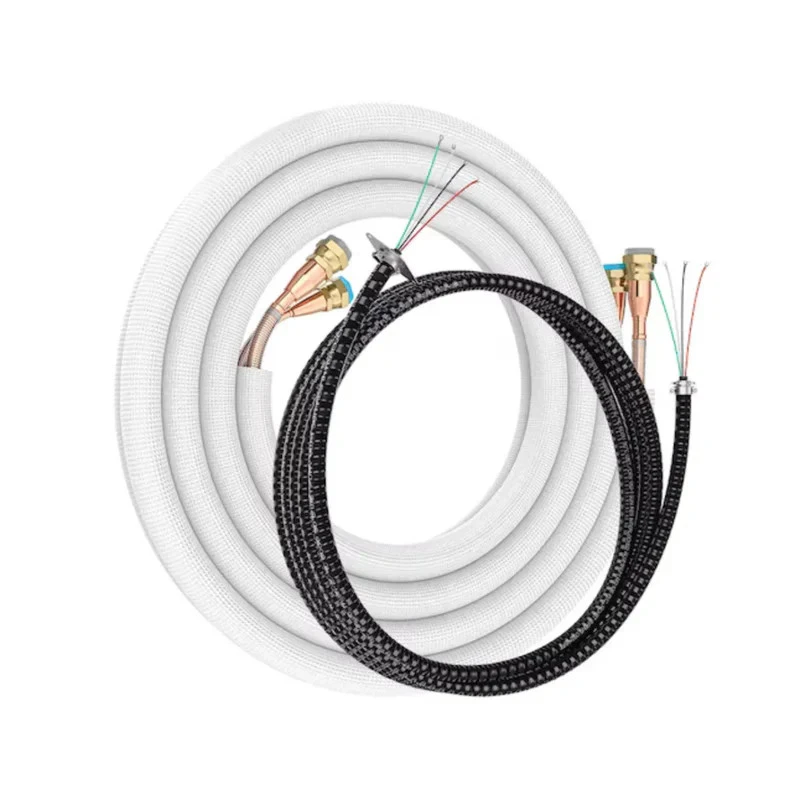
Most people notice the blast of cool air coming from a vent. Few ever stop to think about what makes that cooling possible in the first place.
Behind every efficient heating and cooling system is a connection quietly doing exhausting work every single day. That connection is the line set HVAC systems depend on for refrigerant movement and temperature control.
Without it, an HVAC unit becomes little more than expensive metal sitting beside a house.
Strange, isn’t it? The most critical parts of comfort usually stay invisible.
And when something goes wrong with the line set, the symptoms often creep in slowly—higher energy bills, weak airflow, uneven temperatures, or an AC system that suddenly feels tired during peak summer heat.
Why Line Set HVAC Systems Matter More Than People Realize
Most homeowners focus on thermostats or compressors while ignoring the refrigerant lines connecting everything.
That’s a mistake.
Refrigerant movement drives the entire system
A line set HVAC system uses copper tubing to move refrigerant between indoor and outdoor units, allowing heat transfer to happen continuously and efficiently.
Small issues quietly damage performance
Even tiny refrigerant leaks or damaged insulation inside line sets can reduce cooling efficiency and increase long-term HVAC operating costs significantly.
What Is a Line Set in HVAC Systems?
A line set is a pair of copper tubes carrying refrigerant through the heating and cooling system.
Two lines handle different refrigerant stages
Most setups include a suction line and a liquid line working together to maintain balanced refrigerant circulation throughout HVAC operation cycles.
Refrigerant carries heat energy
The refrigerant moving through the line set absorbs indoor heat and transfers it outdoors during the cooling operation.
Insulation protects temperature stability
Proper insulation helps refrigerant maintain stable temperatures while reducing energy loss caused by outdoor environmental exposure.
Why Copper Is Used for Line Set HVAC Systems
Copper remains the preferred material across HVAC installations for practical performance reasons.
Strong thermal conductivity improves efficiency
Copper transfers heat efficiently, helping the refrigerant maintain proper temperature flow during heating and cooling system operation.
Long-term durability supports reliability
Copper tubing handles pressure changes well while resisting corrosion and environmental wear under normal HVAC operating conditions.
Flexible installation helps in tight spaces
Copper lines bend more easily during installation, making routing through walls and ceilings far more manageable for installers.
How Line Set HVAC Performance Affects Energy Bills
Rising utility costs are not always caused by the HVAC unit itself.
Sometimes the refrigerant line system quietly creates the problem.
Damaged insulation increases energy waste
Exposed refrigerant lines lose temperature stability, forcing HVAC systems to consume more electricity to maintain indoor comfort levels.
Refrigerant flow balance affects efficiency
Correct line sizing helps refrigerant circulate smoothly without creating pressure imbalances that reduce system performance.
Compressor strain raises operating costs
Poor refrigerant movement forces compressors to work harder, increasing wear and long-term energy consumption significantly.
Common Problems Found in HVAC Line Sets
Many homeowners overlook warning signs connected to refrigerant line damage.
Refrigerant leaks weaken cooling power
Leaks inside line sets reduce refrigerant pressure, leading to weak cooling performance and longer HVAC operating cycles.
Crushed tubing restricts refrigerant movement
Bent or damaged copper tubing can interrupt refrigerant circulation and reduce overall HVAC efficiency dramatically.
Aging insulation creates hidden problems
Over time, insulation cracks and deteriorates, exposing refrigerant lines to outdoor heat and reducing cooling performance.
Installation Mistakes That Hurt HVAC Efficiency
Even expensive HVAC systems perform poorly when refrigerant lines are installed incorrectly.
Excessively long refrigerant lines reduce performance
Longer refrigerant travel distances create efficiency loss and increase strain on heating and cooling equipment components.
Poor connection sealing risks contamination
Improper sealing allows moisture and contaminants into refrigerant lines, potentially damaging internal HVAC system parts.
Incorrect line sizing disrupts pressure balance
Improper tubing size affects refrigerant pressure consistency and weakens heating or cooling efficiency over time.
Line Set HVAC Systems in Mini-Split Installations
Modern ductless systems rely heavily on efficient refrigerant line performance.
Ductless systems use direct refrigerant transfer
Mini-split systems depend on line sets to move heat efficiently between indoor air handlers and outdoor condenser units.
Exterior exposure increases insulation importance
Outdoor refrigerant lines require strong insulation protection against weather conditions that reduce energy efficiency.
DIY installations require careful planning
Improper routing or installation mistakes during DIY setups can negatively affect long-term mini-split performance significantly.
Maintenance Tips for HVAC Line Sets
Simple inspections can help prevent expensive HVAC repairs later.
Inspect insulation for visible damage
Cracked or deteriorating insulation should be replaced quickly to maintain refrigerant temperature stability and system efficiency.
Watch for oily residue near the tubing
Oil spots around refrigerant lines often signal small leaks developing inside the HVAC line set.
Protect exposed outdoor refrigerant lines
Outdoor tubing should remain protected from debris, impact damage, and excessive environmental exposure throughout the year.
Why Modern HVAC Systems Depend on Efficient Line Sets
Technology inside HVAC systems continues evolving toward better energy efficiency and smarter performance.
But refrigerant movement remains the foundation of everything.
Efficient circulation supports stable temperatures
Balanced refrigerant movement helps HVAC systems maintain consistent indoor comfort without excessive energy consumption.
Proper installation improves long-term reliability
Correctly installed line sets reduce mechanical strain and help HVAC systems operate more efficiently over time.
The Overlooked Backbone of Home Comfort
There’s something oddly human about HVAC line sets.
They work silently behind walls and ceilings, carrying the system’s lifeblood without attention or praise.
No glowing displays. No dramatic sounds. Just constant circulation helps families stay comfortable through brutal heat and freezing winters.
And honestly, that says something important.
The things working hardest are often the things nobody notices.
Final Thoughts:
A line set HVAC system may seem like a minor detail, but it directly affects refrigerant flow, energy efficiency, cooling consistency, and overall equipment lifespan.
Ignoring refrigerant line quality can quietly reduce HVAC performance while increasing long-term repair and energy costs.
Comfort depends on circulation. And circulation depends on the line set doing its job correctly every single day.

 English
 Arabic
 French
 Portuguese
 Deutsch
 Turkish
 Dutch
Dutch
 Italiano
 Russian
 Romaian
 Portuguese (Brazil)
 Greek
Greek
