


What Happens Inside a Fractured Tooth?
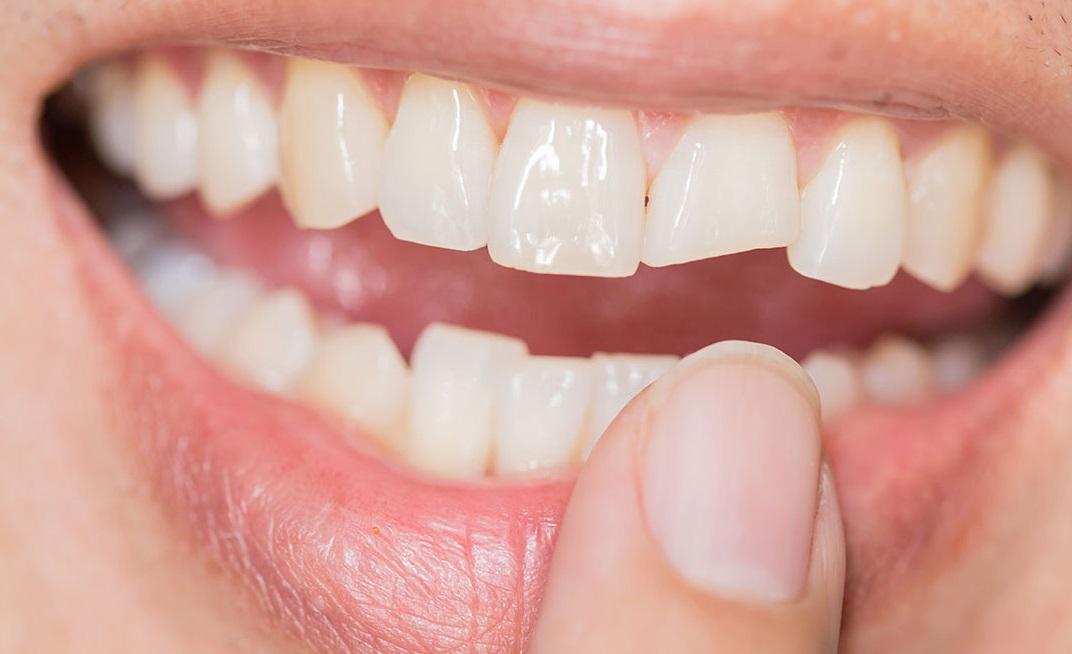
A fractured tooth may look like a small crack on the surface, but the damage beneath the enamel can be much more significant. Whether caused by biting hard foods, a sports injury, a fall, or years of wear and tear, a fractured tooth can affect the inner structures of the tooth and lead to pain, sensitivity, or infection. Understanding what happens inside a fractured tooth can help you recognize the importance of early treatment and protect your long-term oral health.
What Is a Fractured Tooth?
A fractured tooth is a tooth that has developed a crack, chip, or break. The fracture may involve only the outer enamel or extend into deeper layers such as the dentin, pulp, or even the root. The deeper the crack, the greater the risk of pain and complications.
Types of tooth fractures include:
- Craze lines (tiny enamel cracks)
- Chipped teeth
- Cracked teeth
- Split teeth
- Vertical root fractures
Each type affects the tooth differently and requires a specific treatment approach.
The Structure of a Tooth
To understand what happens inside a fractured tooth, it helps to know the basic structure of a tooth.
Enamel
The enamel is the hard, protective outer layer. It is the strongest substance in the human body but contains no living cells, so it cannot repair itself after damage.
Dentin
Beneath the enamel lies the dentin, a softer layer filled with tiny microscopic tubules that connect to the tooth's nerve. When a fracture reaches the dentin, the tooth often becomes sensitive to hot, cold, or sweet foods.
Pulp
The pulp is the soft inner tissue containing nerves, blood vessels, and connective tissue. If a crack reaches the pulp, it can cause severe pain, inflammation, and infection.
Root
The root anchors the tooth within the jawbone. Fractures extending into the root are often more difficult to treat and may require extraction.
What Happens When a Tooth Fractures?
The effects depend on how deep the crack extends.
The Tooth Becomes Weaker
A fracture reduces the structural strength of the tooth. Even a small crack can make the tooth more vulnerable to breaking under normal chewing pressure.
The Crack Can Move During Chewing
When you bite down, the cracked portions of the tooth may shift slightly. This movement irritates the dentin and pulp, causing sharp pain, especially when chewing or releasing pressure.
The Dentin Becomes Exposed
If the enamel is damaged, the dentin underneath may become exposed. Since dentin contains tiny tubules connected to the nerve, you may experience sensitivity to:
- Hot drinks
- Cold beverages
- Sweet foods
- Cold air
The Pulp May Become Inflamed
If the fracture reaches the pulp, the nerves and blood vessels inside the tooth can become inflamed. This condition, known as pulpitis, often causes persistent or throbbing pain.
Bacteria Can Enter the Crack
One of the biggest risks of a fractured tooth is that bacteria from the mouth can enter the crack. Once bacteria reach the pulp, they can cause infection, leading to:
- Severe toothache
- Swollen gums
- Dental abscess
- Bad taste in the mouth
- Fever in severe cases
Prompt treatment is important to prevent the infection from spreading.
Why Does a Fractured Tooth Hurt?
Pain occurs because the fracture affects sensitive structures inside the tooth.
Common reasons include:
- Movement of the cracked tooth during chewing
- Exposure of the dentin
- Inflammation of the pulp
- Pressure on the tooth's nerve
- Infection inside the tooth
Some fractures cause intermittent pain, while others result in constant discomfort.
Can a Fractured Tooth Heal Naturally?
No. Unlike bones, teeth cannot regenerate after they are fractured. The enamel cannot grow back, and the crack does not close on its own.
Even if the pain disappears temporarily, the fracture remains and may worsen over time.
How Dentists Treat a Fractured Tooth
Treatment depends on the location and severity of the fracture.
Dental Bonding
Small chips and minor cracks can often be repaired with tooth-colored composite resin.
Dental Crown
A crown covers the fractured tooth, restoring its strength and preventing the crack from spreading.
Root Canal Treatment
If the pulp has been damaged or infected, a root canal removes the affected tissue while preserving the remaining tooth structure.
Tooth Extraction
If the fracture extends deep into the root or the tooth cannot be restored, extraction may be necessary. Replacement options include dental implants, bridges, or partial dentures.
How to Protect a Fractured Tooth
Until you receive professional treatment:
- Avoid chewing on the affected side.
- Eat soft foods.
- Avoid hard, sticky, or crunchy foods.
- Brush gently using a soft-bristled toothbrush.
- Rinse with warm salt water if your gums are irritated.
- Take over-the-counter pain relievers if needed, following the recommended dosage.
These measures help reduce discomfort but do not repair the fracture.
When Should You See a Dentist?
Seek dental care immediately if you experience:
- Sharp pain when biting
- Persistent sensitivity
- A visible crack or broken tooth
- Swollen gums
- A loose tooth
- Signs of infection, such as pus, fever, or facial swelling
Early diagnosis improves the chances of saving the tooth and avoiding more extensive treatment.
Conclusion
Understanding what happens inside a fractured tooth highlights why prompt dental care is so important. A fracture can weaken the tooth, expose sensitive inner layers, inflame the pulp, and allow bacteria to cause infection. Because teeth cannot heal naturally, even a minor crack should be evaluated by a dentist. With timely treatment, many fractured teeth can be successfully restored, helping you preserve your natural smile, relieve pain, and maintain excellent oral health for years to come.

 English
 Arabic
 French
 Spanish
 Portuguese
 Deutsch
 Dutch
Dutch
 Italiano
 Russian
 Romaian
 Portuguese (Brazil)
 Greek
Greek
