


Manuka Honey
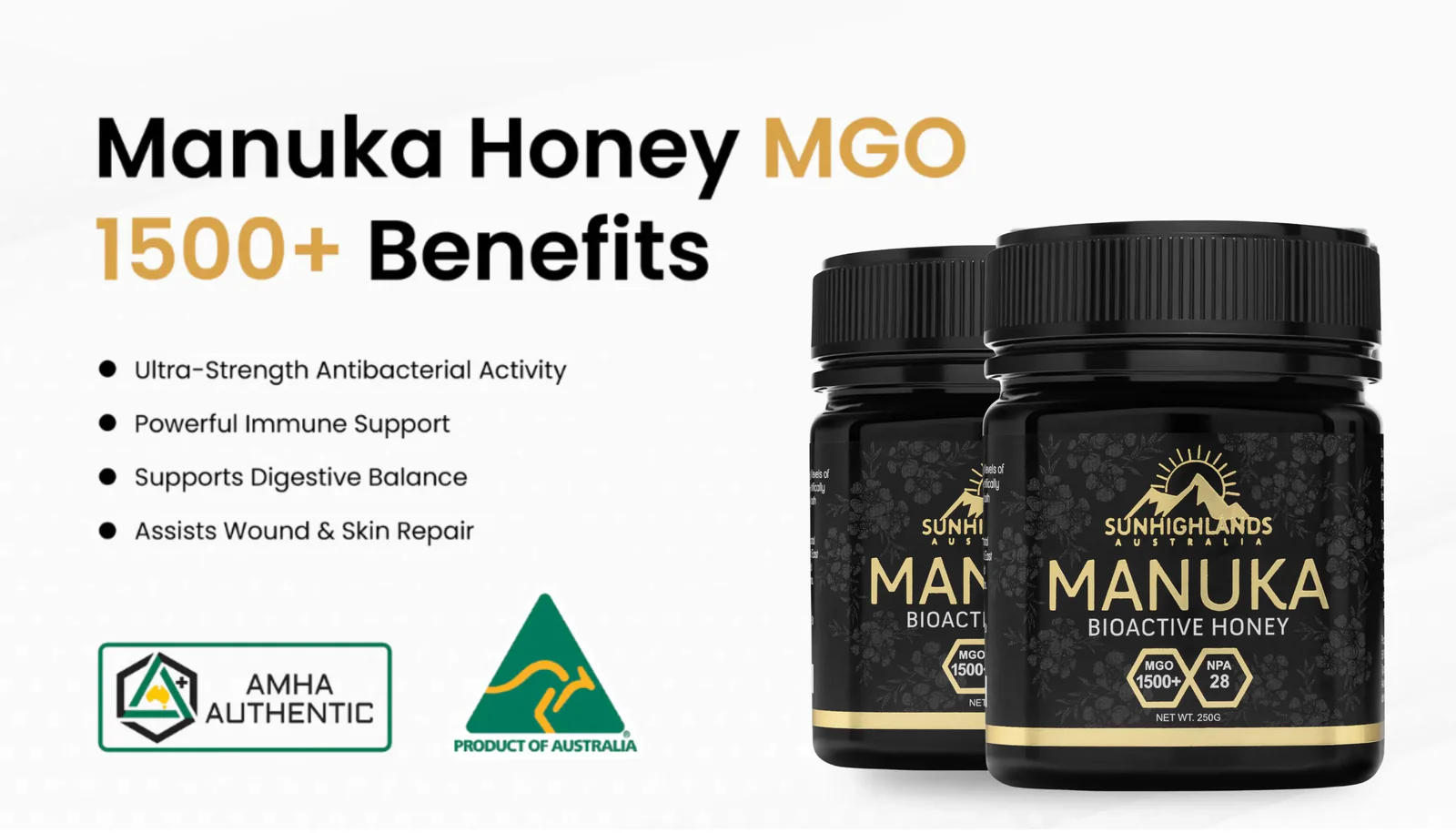
Manuka honey is one of the world's most valued natural foods, celebrated for its exceptional health benefits, rich flavor, and unique antibacterial properties. Unlike ordinary honey, Manuka honey is produced by bees that collect nectar from the flowers of the Manuka tree (Leptospermum scoparium), which grows primarily in New Zealand and parts of Australia. Over the past few decades, this premium honey has gained worldwide recognition not only as a delicious natural sweetener but also as a powerful wellness product.
Scientists and healthcare professionals have extensively studied Manuka honey because of its remarkable medicinal properties. From supporting wound healing to promoting digestive health and boosting the immune system, Manuka honey offers numerous benefits backed by research. As consumers increasingly seek natural alternatives for maintaining health, Manuka honey has become a popular choice in homes, clinics, and wellness centers across the globe.
This article explores what makes Manuka honey unique, its nutritional value, health benefits, uses, grading system, storage tips, and precautions for safe consumption.
What Is Manuka Honey?
Manuka honey is a monofloral honey produced when honeybees pollinate the flowers of the Manuka shrub. Unlike conventional honey, Manuka honey contains naturally occurring compounds that provide strong antibacterial activity. The most significant of these compounds is Methylglyoxal (MGO), which is responsible for many of its therapeutic effects.
The Manuka plant blooms for only a few weeks each year, making the production of authentic Manuka honey limited. This rarity contributes to its higher price compared to regular honey. Genuine Manuka honey is carefully tested and certified to ensure purity and quality before reaching consumers.
Nutritional Value
Like other natural honey varieties, Manuka honey contains carbohydrates, natural sugars, vitamins, minerals, antioxidants, amino acids, and enzymes. A typical tablespoon provides:
- Around 60–70 calories
- Natural glucose and fructose
- Small amounts of calcium, potassium, magnesium, and iron
- Antioxidants that help fight oxidative stress
- Amino acids and beneficial plant compounds
Although it is nutritious, Manuka honey should still be consumed in moderation due to its natural sugar content.
What Makes Manuka Honey Different?
Several characteristics distinguish Manuka honey from ordinary honey.
1. High Antibacterial Activity
Manuka honey contains significantly higher antibacterial properties than regular honey because of its high MGO concentration. This makes it effective against many harmful bacteria.
2. Stable Medicinal Properties
Unlike ordinary honey, whose antibacterial activity mainly comes from hydrogen peroxide, Manuka honey maintains its effectiveness even when exposed to heat and light because of its stable MGO content.
3. Rich Antioxidant Content
Manuka honey contains powerful antioxidants that help protect the body's cells against damage caused by free radicals.
4. Certified Quality
Authentic Manuka honey is independently tested and graded using internationally recognized rating systems, helping consumers purchase genuine products.
Health Benefits of Manuka Honey
Supports Wound Healing
One of the most famous uses of Manuka honey is wound care. Medical-grade Manuka honey is widely used in hospitals for treating burns, cuts, ulcers, and surgical wounds. Its antibacterial properties help prevent infection while maintaining a moist environment that supports tissue repair.
Boosts the Immune System
The antioxidants and natural compounds found in Manuka honey may strengthen the body's natural defense system. Regular consumption can support overall immune health and help the body respond to infections.
Promotes Digestive Health
Many people use Manuka honey to soothe digestive discomfort. It may help maintain a healthy balance of gut bacteria and reduce symptoms associated with indigestion, acid reflux, and stomach irritation.
Soothes Sore Throats
Manuka honey coats the throat, reducing irritation and coughing. Its antibacterial properties may also help combat bacteria responsible for certain throat infections.
Supports Oral Health
Unlike refined sugar, Manuka honey may help reduce harmful oral bacteria. Some studies suggest it may contribute to healthier gums, reduced plaque buildup, and fresher breath when combined with proper dental hygiene.
Helps Reduce Inflammation
Chronic inflammation contributes to many diseases. The natural compounds present in Manuka honey may help reduce inflammation and support the body's healing process.
Provides Natural Energy
Because it contains natural carbohydrates, Manuka honey provides quick energy. Athletes and active individuals often consume it before or after exercise as a natural energy source.
May Improve Skin Health
Manuka honey has become a popular ingredient in skincare products. It may help moisturize the skin, reduce acne-causing bacteria, calm redness, and promote healing of minor skin irritations.
Scientific Research
Researchers have investigated Manuka honey for decades. Laboratory studies have demonstrated its effectiveness against various bacteria, including strains that are resistant to certain antibiotics. Medical professionals continue to study its role in wound care, digestive disorders, and oral health.
Although many findings are promising, researchers emphasize that Manuka honey should complement—not replace—professional medical treatment for serious health conditions.
Understanding UMF and MGO Ratings
When shopping for Manuka honey, consumers often notice labels such as UMF or MGO.
UMF (Unique Manuka Factor)
The UMF grading system measures the authenticity and strength of Manuka honey. Higher UMF ratings generally indicate stronger antibacterial activity.
Common ratings include:
- UMF 5+ – Everyday wellness
- UMF 10+ – Moderate antibacterial activity
- UMF 15+ – Higher therapeutic strength
- UMF 20+ – Premium medicinal quality
MGO Rating
The MGO rating measures the concentration of Methylglyoxal in the honey.
Examples include:
- MGO 100+
- MGO 250+
- MGO 400+
- MGO 550+
- MGO 800+
Higher MGO values usually indicate greater antibacterial potency.
How to Use Manuka Honey
Manuka honey can easily become part of a healthy lifestyle.
Eat It Directly
Many people enjoy one teaspoon daily for general wellness.
Add to Warm Drinks
Mix it into warm (not boiling) water, herbal tea, or lemon water.
Spread on Toast
Use it as a natural alternative to processed spreads.
Blend into Smoothies
It adds natural sweetness while providing antioxidants.
Yogurt and Oatmeal
Mix Manuka honey into breakfast foods for added flavor and nutrition.
Homemade Face Mask
Apply a thin layer to clean skin for 10–15 minutes before rinsing.
Minor Cuts and Scratches
Medical-grade Manuka honey is specifically designed for wound care. Always follow healthcare advice for treating injuries.
How to Identify Genuine Manuka Honey
Due to its popularity, counterfeit products are common. Consider the following tips when buying:
- Look for certified UMF or MGO ratings.
- Check that it originates from New Zealand.
- Buy from reputable retailers.
- Read ingredient labels carefully.
- Avoid unusually cheap products claiming very high ratings.
Authentic Manuka honey is typically thicker and richer than ordinary honey.
Possible Side Effects
Although generally safe for most people, some precautions should be considered.
Allergic Reactions
Individuals allergic to bees or honey should consult a healthcare provider before using Manuka honey.
High Sugar Content
People with diabetes should monitor their intake and seek medical advice before consuming large amounts.
Not for Infants
Honey should never be given to babies under 12 months due to the risk of infant botulism.
Weight Management
Because it contains calories and natural sugars, moderation is important as part of a balanced diet.
Storage Tips
Proper storage helps preserve Manuka honey's quality.
- Keep the container tightly sealed.
- Store at room temperature.
- Avoid direct sunlight.
- Do not refrigerate unless recommended by the manufacturer.
- Use a clean, dry spoon to prevent contamination.
Properly stored Manuka honey has a long shelf life and maintains its beneficial properties for years.
Manuka Honey vs. Regular Honey
| Feature | Manuka Honey | Regular Honey |
|---|---|---|
| Source | Manuka flowers | Various flowers |
| Antibacterial strength | Very high | Moderate |
| MGO content | High | Very low |
| Medical applications | Widely studied | Limited |
| Price | Premium | Affordable |
| Certification | UMF/MGO | Usually none |
Is Manuka Honey Worth the Price?
Manuka honey is considerably more expensive than ordinary honey because of its limited production, rigorous testing, certification process, and growing global demand. For individuals seeking natural wellness support, premium quality, and scientifically studied antibacterial properties, many believe the investment is worthwhile.
However, for general sweetening purposes, regular honey remains an excellent natural alternative.

 Arabic
 French
 Spanish
 Portuguese
 Deutsch
 Turkish
 Dutch
Dutch
 Italiano
 Russian
 Romaian
 Portuguese (Brazil)
 Greek
Greek
