


What to Expect Before, During, and After Full Mouth Dental Rehabilitation
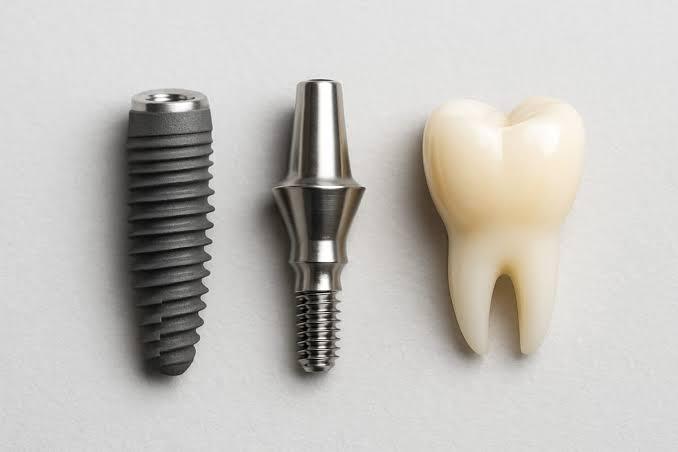
Full mouth dental rehabilitation in Turkey is a combination of several treatments, all carried out as a coordinated treatment to restore function and appearance of the whole smile.
Patients who may be interested in this option may want to understand the entire recovery process from the initial consultation to long-term recovery.
This guide allows details on each step, giving practical information for anyone who has delved into this treatment.
What Full Mouth Rehabilitation Involves
Full mouth rehabilitation means considering the entire mouth, instead of focusing on individual teeth.
-
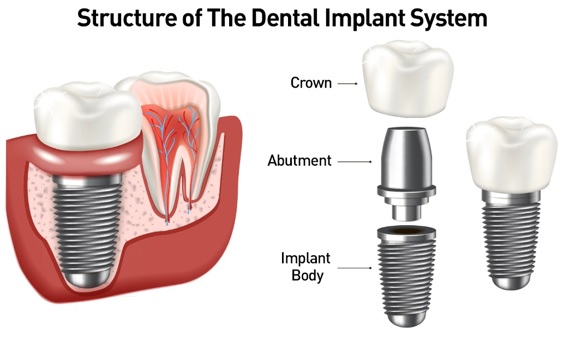
Dental implants replace missing teeth and restore chewing function.
-
Crowns and bridges rebuild damaged or weakened teeth.
-
Veneers refine the appearance of the front teeth.
-
Gum treatment supports the health of the tissue surrounding the teeth.
-
Bite correction aligns the upper and lower jaw for balanced function.
The type of dental treatments in Turkey used will depend on the individual patient's oral situation and objectives.
Who Benefits From Full Mouth Rehabilitation
This comprehensive approach suits a wide range of patient situations.
-
Patients with several missing or severely damaged teeth
-
Individuals experiencing advanced tooth wear from grinding or acid exposure
-
People recovering from long-term gum disease affecting multiple teeth
-
Patients seeking a complete smile transformation alongside functional restoration
-
Anyone whose bite has shifted significantly due to missing teeth over time
Before Treatment: The Consultation and Planning Phase
Careful planning creates the foundation for a successful outcome.
1. Comprehensive Oral Examination
The dental team evaluates every aspect of oral health before creating a plan.
-
Full mouth X-rays or a 3D CBCT scan reveal bone structure and tooth roots.
-
Gum health assessment identifies any inflammation or bone loss.
-
Bite analysis measures how the upper and lower teeth meet.
-
Photographs and digital scans capture the current smile for planning purposes.
2. Treatment Planning Discussion
The dental team presents a personalized roadmap based on examination findings.
-
Multiple treatment options often exist for the same concern, allowing patients to choose based on priorities.
-
Timeline expectations become clear, since full mouth rehabilitation typically spans several months.
-
Cost breakdowns support patients understand each phase of treatment.
-
Digital previews, when available, allow patients to visualize the anticipated result.
3. Preparing for Treatment
A short preparation period supports smoother treatment days.
-
Address any active gum disease before starting restorative work.
-
Complete extractions of teeth that cannot support restoration.
-
Discuss medical history, medications, and allergies with the dental team.
-
Arrange time off work or travel plans, since certain phases involve multiple appointments.
During Treatment: What Happens at Each Stage
Full mouth rehabilitation unfolds across several coordinated phases.
Phase 1: Foundation Work
This phase addresses the health of the gums and supporting bone.
-
Deep cleaning treats any gum disease present.
-
Bone grafting, when needed, builds volume to support future implants.
-
Extractions remove teeth that cannot be saved.
Phase 2: Implant Placement
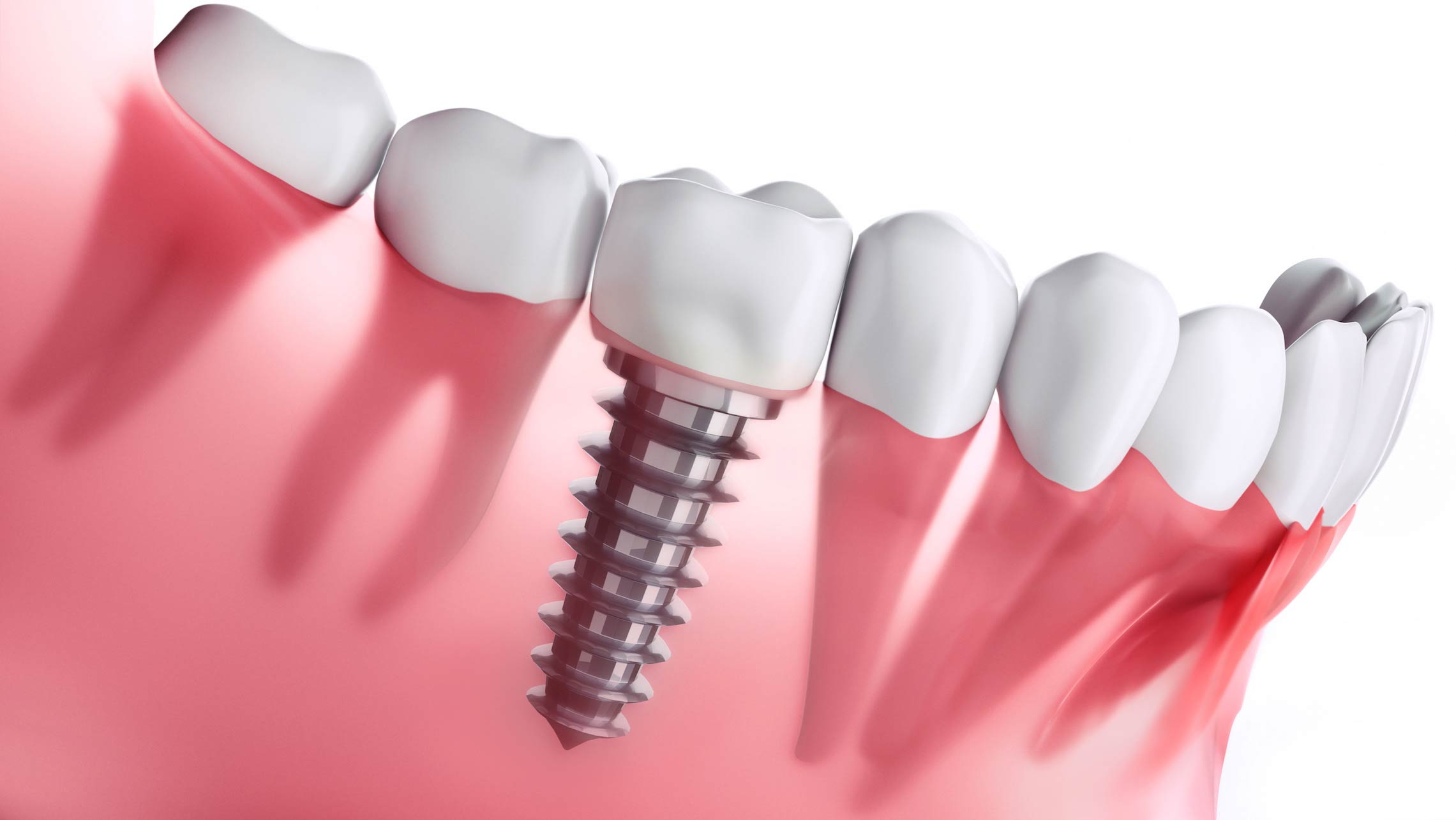
Implants replace missing teeth and restore stability to the jaw.
-
Titanium or zirconia posts are placed into the jawbone.
-
A healing period of several months allows the bone to fuse with the implant.
-
Temporary teeth often fill gaps during this healing window.
Phase 3: Restorative Work
Crowns, bridges, and veneers rebuild the visible structure of the smile.
-
Custom restorations are designed to match natural tooth shape and color.
-
Bite alignment receives careful attention during this phase.
-
Multiple fittings allow adjustments for comfort and function.
Phase 4: Final Adjustments
The final phase fine-tunes the completed smile.
-
Bite checks confirm even pressure across all teeth.
-
Polishing and shaping create a natural, comfortable finish.
-
Patients receive detailed aftercare instructions before treatment concludes.
After Treatment: Recovery and Adjustment
Recovery timelines vary depending on the specific combination of treatments involved.
-
Mild swelling or tenderness commonly follows implant placement and typically eases within a week.
-
Soft foods support comfort during the initial healing window.
-
Speech may feel slightly different for a short adjustment period as the mouth adapts to new restorations.
-
Full comfort with chewing and speaking usually develops within several weeks.
Full Mouth Rehabilitation in Turkey
Dental tourism in Turkey has grown into a prominent destination for comprehensive dental treatment, attracting patients from across the globe.
-
Clinics often coordinate implant placement, restorative work, and cosmetic refinement within a single extended visit.
-
Advanced digital planning tools support precise treatment mapping before the first procedure begins.
-
Experienced multidisciplinary teams bring together implant specialists, prosthodontists, and cosmetic dentists.
-
Aftercare guidance travels with the patient to support recovery once they return home.
Patient Checklist: Preparing for Full Mouth Rehabilitation
A structured checklist supports a smooth treatment experience.
-
Schedule a thorough consultation and ask detailed questions about the proposed plan.
-
Request a written timeline outlining each treatment phase.
-
Confirm the materials used for crowns, veneers, and implants.
-
Arrange appropriate time for recovery between appointments.
-
Prepare a soft-food menu for the initial healing period.
-
Organize transportation for appointment days involving sedation or extended procedures.
-
Ask about long-term maintenance requirements for each restoration type.
Aftercare Guidance for Long-Term Success
Consistent care supports the durability of a full mouth rehabilitation result.
-
Brush twice daily with a soft-bristle brush designed for sensitive restorations.
-
Floss daily, using tools suited to bridges, implants, and natural teeth alike.
-
Schedule professional cleanings every 6 months to monitor gum health.
-
Wear a night guard if bite grinding continues, protecting new restorations from excess pressure.
-
Attend follow-up appointments to confirm bite alignment remains stable over time.
-
Maintain a balanced diet that supports healing and long-term oral health.
Emotional and Lifestyle Benefits
Beyond function, full mouth rehabilitation often brings meaningful lifestyle improvements.
-
Confidence often grows alongside a restored, balanced smile.
-
Chewing comfort supports a wider variety of food choices.
-
Speech clarity frequently improves once gaps and misalignment receive correction.
-
Daily routines become simpler once oral discomfort resolves.
How Full Mouth Rehabilitation Differs From Single-Tooth Treatment
Patients sometimes wonder how a comprehensive plan differs from treating one tooth at a time.
-
A coordinated plan considers how each tooth interacts with the bite as a whole, rather than addressing concerns individually.
-
Timing becomes carefully sequenced, since certain treatments depend on the successful completion of earlier phases.
-
Materials and shading are matched across the entire smile for a cohesive, natural appearance.
-
Long-term maintenance planning covers the full mouth, creating a unified approach to future check-ups.
The Role of Digital Technology in Planning
Modern digital tools support precision throughout the rehabilitation journey.
-
Intraoral scanners capture detailed impressions without traditional molds.
-
Digital smile design software allows patients to preview proportions and shape before committing to treatment.
-
3D printing supports the creation of precise surgical guides for implant placement.
-
Computer-assisted design supports accurate crown and bridge fabrication.
Nutrition and Comfort During Recovery
Diet plays a meaningful role in comfort during the healing process.
-
Soft foods such as soups, yogurt, and mashed vegetables support the initial days after procedures.
-
Gradual reintroduction of firmer foods follows as comfort improves.
-
Staying well hydrated supports overall healing.
-
Avoiding very hot or very cold foods during sensitive periods supports reduce discomfort.
Building a Long-Term Relationship With the Dental Team
Full mouth rehabilitation often marks the beginning of an ongoing relationship between patient and dental supplier.
-
Regular check-ups allow the team to monitor how restorations perform over time.
-
Open communication about any changes in comfort supports early intervention when needed.
-
Patients who maintain consistent follow-up visits often enjoy the most stable long-term results.
-
A trusted dental relationship supports confidence in future oral health decisions.
Setting Realistic Expectations
Clear expectations support a positive overall experience from start to finish.
-
Results build gradually across each treatment phase rather than appearing all at once.
-
Minor adjustment periods are a normal part of adapting to new restorations.
-
Open dialogue with the dental team allows expectations to stay aligned with clinical realities at every step.
-
Patience during the healing windows supports the strongest possible long-term outcome.
Final Thoughts
A full mouth dental rehabilitation can be a systematic approach to achieve a restored function and smile. By being aware of each phase, clients can feel better prepared and more confident along the way from initial consultation to long-term after care.
When patient and dental team communicate effectively and develop a thoughtful plan, the most solid ground for lasting comfort and satisfaction with the final result is set.
Read our detailed guide on How Long Do Dental Implants Last and What Affects Their Success Over Time
FAQ
How long does full mouth rehabilitation typically take?
In general, treatment times can be anywhere between a few months to approximately a year, depending on the number of procedures performed and each person's individual healing process.
Will the new teeth feel and function like natural teeth?
When you have finished the adjustment period most patients report a comfortable and highly functional smile.
Is the treatment completed in one visit?
A full mouth rehabilitation requires a series of appointments, each with a specific treatment phase, with ample time for healing between each appointment.
How does a patient maintain results over the years?
Consistent oral hygiene, regular dental visits, and prompt attention to any changes in comfort or bite all support long-term success.

 English
 Arabic
 French
 Spanish
 Portuguese
 Deutsch
 Dutch
Dutch
 Italiano
 Russian
 Romaian
 Portuguese (Brazil)
 Greek
Greek
